



The global wellness economy is expected to reach US$9 trillion by 2028 with wellness tourism showing the biggest gains, so how do you navigate this booming market? We talk to three industry experts about what you can expect in 2026 and beyond.
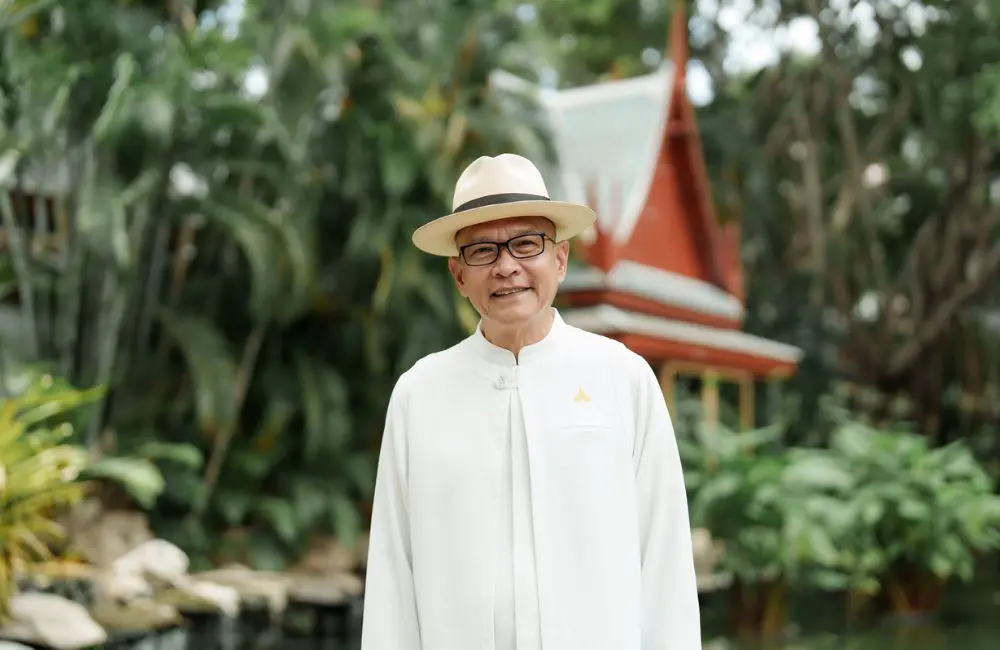
For three decades, Asia’s first wellness resort, Chiva-Som has been welcoming guests with wellness in mind.
Chiva-Som Hua Hin General Manager Vaipanya Kongkwanyuen says over that time the luxury traveller’s demands and overall behaviour have seen a dynamic change in terms of knowledge, innovation and a lifestyle shift.
“The biggest change we have seen is a shift from passive pampering to proactive, personalised transformation. It has shifted from an eat-drink-relax style to a more purposeful and meaningful holiday.
“In the past, they purely sought physical relaxation – sun, spa treatments and indulgence. Wellness was just an add-on (a spa day). Now, they are looking for proactive longevity and lifestyle transformation. After the pandemic, especially, more holistic wellness has become the core part of the journey more than ever.
“Luxurious facilities are not the core focus of the wellness holiday anymore. Guests expect measurable, lasting results and a genetic and definitive action plan to integrate into daily life, such as improved sleep metrics, reduced visceral fat and personalised supplement regimes.”
Founder of Destination Wellbeing, Lisa Spencer, who works with the tourism industry to design strategies to help them attract wellness travellers, agrees.
She says the biggest change she is seeing is a shift in traveller expectation and what wellness travel means to luxury travellers.
“It used to be quite defined in a spa holiday or flop and flop, but people are now looking for a transformational experience, so they’re not just looking to relax, they’re looking at how it can change how they feel and live and who they are when they come home – it’s about creating meaningful change through habits.
“It’s moved from pampering to purpose, and it’s an international shift where people are looking for growth. It’s about life intervention in a beautiful setting.”
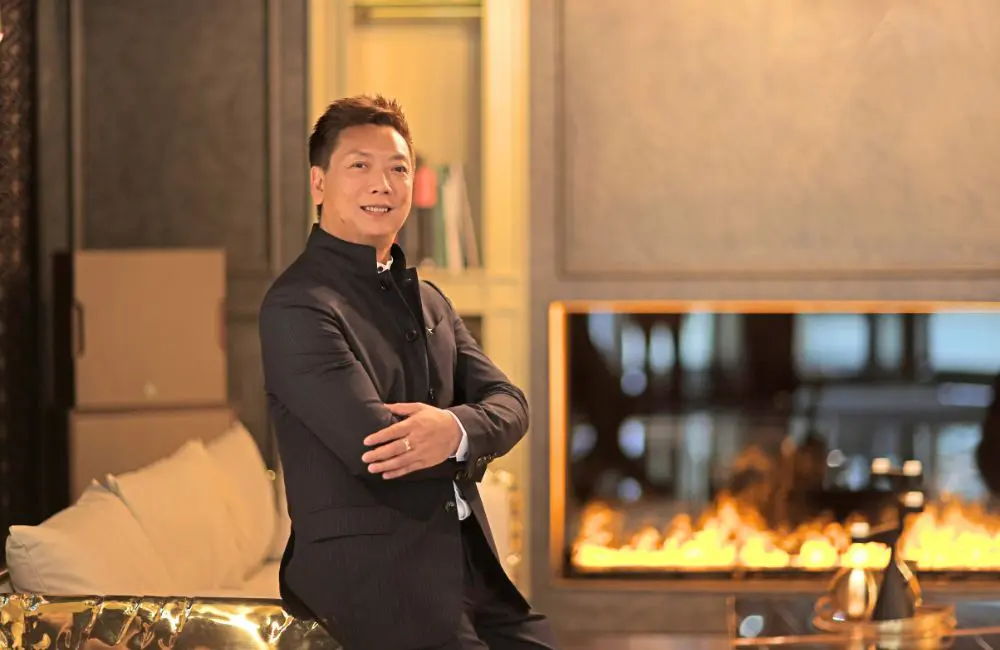
For Small Luxury Hotels of the World Senior Vice President Asia Pacific Mark Wong these reasons also came up in its extensive research, and are exactly why SLH created its newly formed Wellbeing Collection.
“We interviewed 6,000 guests to find out what are looking for right now and we found the common problem is we are so connected the mind hasn’t had time to stop, and people are feeling very tired all the time, so these properties are looking at how to reset the body… and it’s more of a holistic wellbeing and coming up with a very personalised plan.
“It’s not just about a three- to five-night stay and next week you go back to your old routine and are tired again, but instead it’s about trying to change people’s behaviour and mindset to take this onwards.”
The trends for 2026
For Wong, preventative care is what a lot of hotels are now focused on.
“We see more and more independent properties coming up with more holistic practices, and most of our hotels are quite relevant to the environment, and the environment is part of the setting of the wellbeing process because so much relates to nature and being grounded.”
For Kongkwanyuen, gut health, mindfulness and sleep health are all demand markets.
“Following years of global uncertainty and information overload, there is high demand for practices that foster mental clarity, emotional regulation, and nervous system balance.
“This includes specialised meditation techniques, breathwork (pranayama), silent retreats, and therapies to reduce anxiety and improve focus.
“The always-on culture and speedy world have created an exhaustion epidemic. Guests are now looking for more functional sleep solutions that address issues such as the circadian rhythm, along with more advanced sleep tracking while the demand for gut health solutions is driven by the impact of modern diets (processed foods and antibiotics), which cause inflammation and poor nutrient absorption.”
Longevity is another hot topic in this space, according to Spencer.
“There are a lot of offerings moving into this diagnostic space, so tailored movement and nutrition, recovery and even medical diagnosis, and so wellness and medical lines are blurring because guests want to feel better for longer, not just on holiday.”
Looking to the future and advice for advisors
“I think what’s happening a lot that hasn’t hit Australia yet is around the all-inclusive space, especially when talking about travellers wanting to reset and feel better… I feel like that’s the future for the Australian landscape, much like Gwinganna, that feeling where you don’t have to pay more, and it’s part of the experience,” says Spencer.
“I also hope that AI will cut through the noise of overwhelm to tailor experiences for the individual, because at the moment there’s so much information and it’s confusing and that can create decision fatigue or distrust.”
Spencer says it’s also vital for travel advisors who are directing luxury travellers to wellness experiences to watch out for wellness washing.
“This is a big problem at the moment, and so it’s important to vet where you’re sending people so you are trusted and the experience is a wellness experience as opposed to a hotel with a spa bolted on.
“The landscape is so crowded, and clients can’t tell what’s easily right for them, so it’s important advisors know the main lanes of wellness so they can stop pushing them to just wellness hotels and instead match the journey to their needs.”
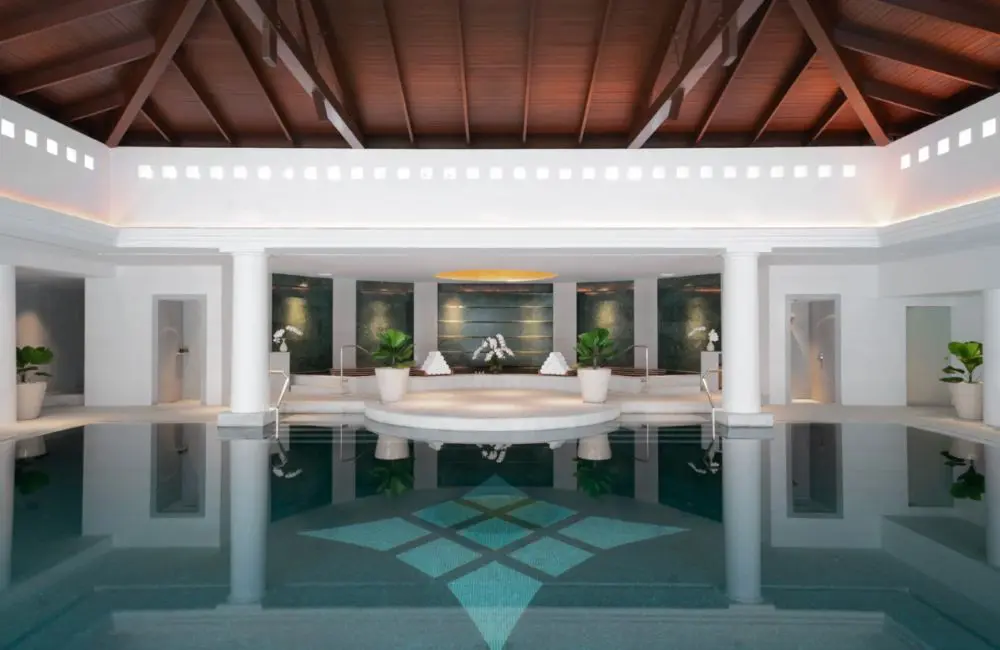
For Kongkwanyuen, the luxury wellness industry in the next decade will be defined by a powerful partnership between advanced technology and “irreplaceable human connection”.
“The central, unwavering goal will remain longevity, driven by the universal desire to not only extend life but to significantly enhance its quality.
“The inevitable AI-era will serve as a scientific driver and provide medicinal breakthroughs, but I firmly believe the human touch and genuine connection will remain the defining element of luxury wellness delivery.
“Guests looking for a meaningful wellness change will want practitioners who can read, understand and address their personal physical, emotional and spiritual needs. This is a deeply personal function that technology simply cannot replicate.”
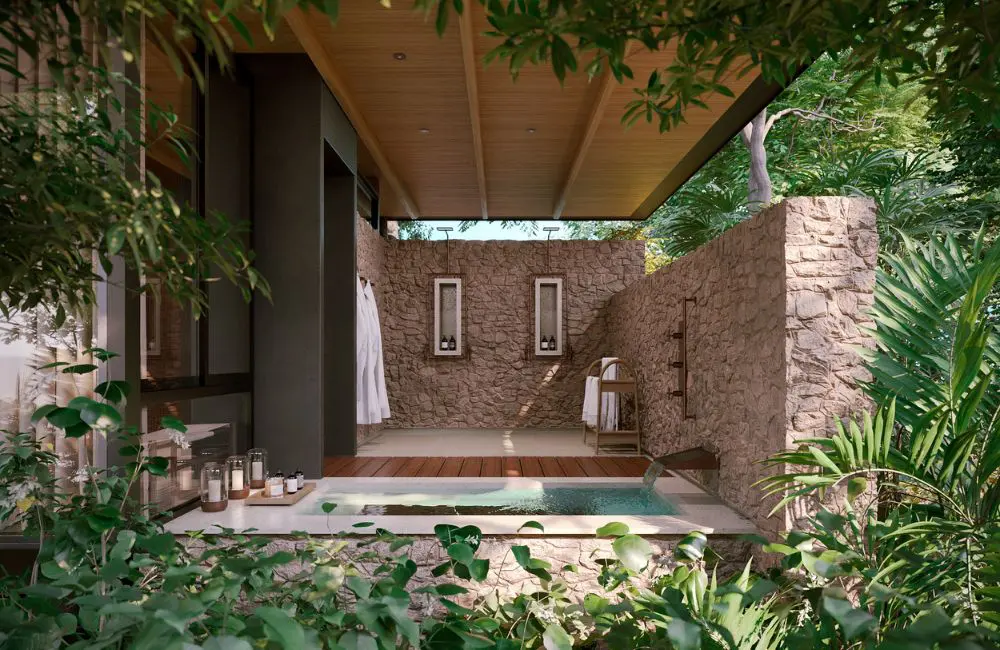
Wong agrees, saying personalisation is going to be key to success in the wellness sector.
“Properties are getting smaller and going after more personalised service. We’ve always been in small-scale products and that’s where personalisation has been a key driver, and now everyone is going in that direction.
“The key going forward is the relationship with the travel designer community and how to come up with personalised itineraries and curated experiences.”
For more information, visit Chiva-Som Hua Hi, Destination Wellbeing and Small Luxury Hotels of the World.