



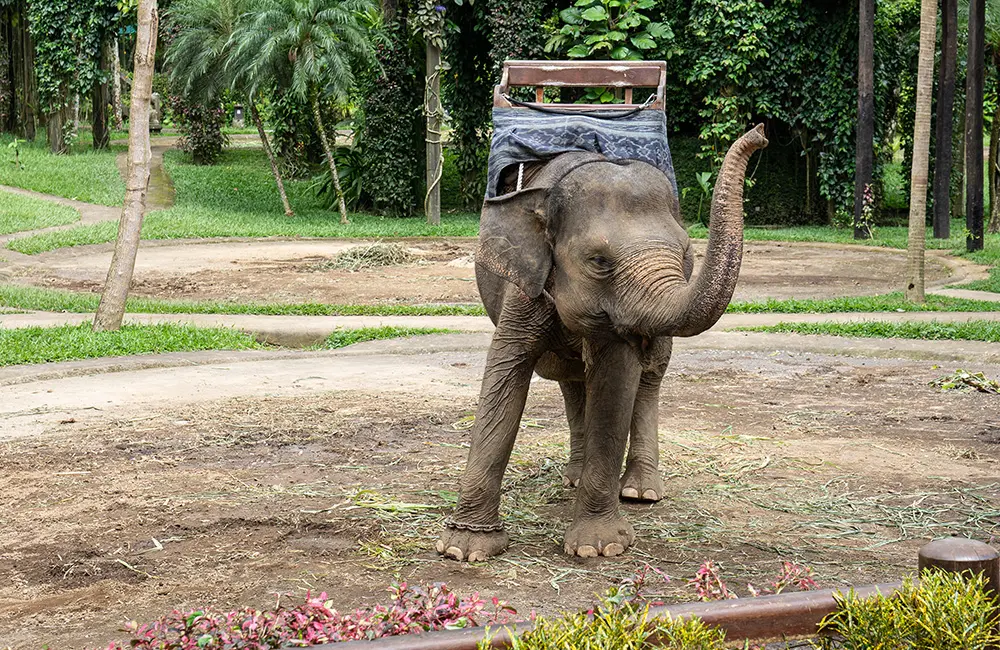
Indonesia has banned elephant rides, shows and performances nationwide, including in Bali. The Indonesian elephant ride ban marks a major step towards responsible tourism practices, moving from exploitation to protection for pachyderms.
The Indonesian elephant ride ban is a significant shift for the South-East Asian country and sends a strong signal to the wider sector that responsible wildlife tourism matters.
In December 2025, the Indonesian Nature Conservation Agency called on tourist attractions to shift away from elephant riding.
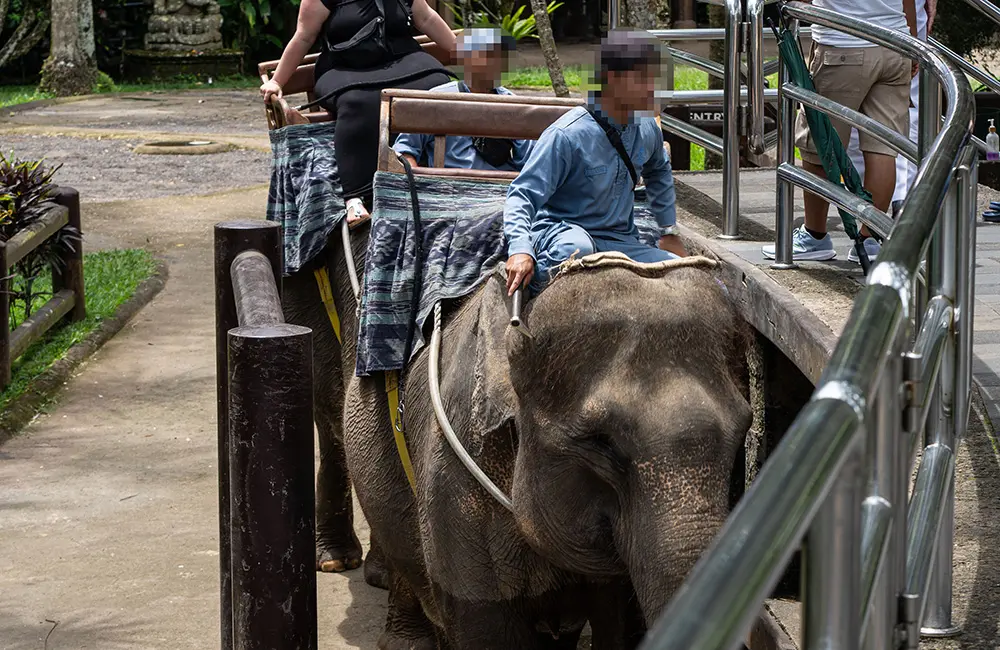
The Indonesian elephant ride ban also comes after PETA (People for the Ethical Treatment of Animals) blew the whistle on cruel practices within some of Bali’s elephant tourist attractions, prompting the end of elephant rides at Bali Zoo earlier this month.
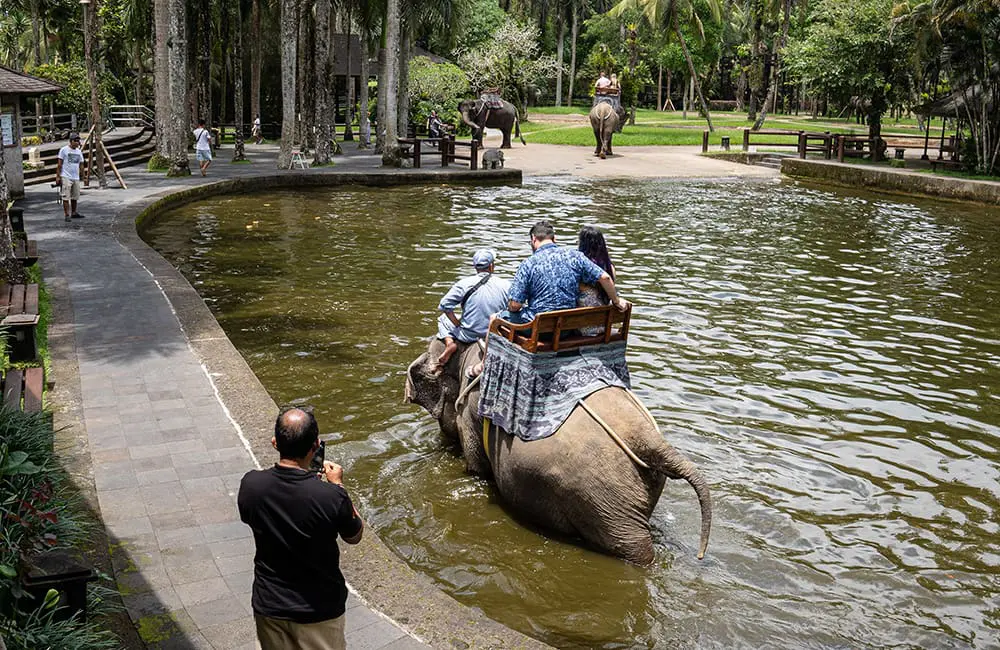
Mason Elephant Park & Lodge, Indonesia’s only internationally certified elephant park, has also now removed elephant rides, saying in a statement that it is placing “elephant health and welfare above all else” as it evolves towards a more natural experience at the rescue sanctuary.
“Our commitment remains unchanged: to protect the world’s only critically endangered elephant species while building a sustainable future together with the Balinese community,” it said.
World Animal Protection ANZ Head of Campaigns Suzanne Milthorpe welcomed this latest news.
“We congratulate the Indonesian Government on taking this world-leading step to safeguarding the dignity of wild animals,” she said.
“The ending of elephant rides in Indonesia sends a strong signal to the wider tourism industry that we’re entering a new chapter of more responsible wildlife tourism.
“This wonderful win for elephants comes after years of tireless advocacy and on‑the‑ground engagement, including the 10,000-plus Indonesians, Australians and New Zealanders who signed our petition calling on Mason Elephant Park to end elephant riding.”
For more info, head to worldanimalprotection.org.au
KARRYON UNPACKS: Indonesia’s elephant ride ban marks a turning point for wildlife tourism in South-East Asia, reinforcing a global shift towards ethical, welfare-first experiences that aligns with what travellers want and what travel advisors can confidently champion.