



A new study reveals the psychology behind why tourists are less environmentally responsible on holiday, highlighting that while our eco values don’t change, a holiday mode sustainability mindset makes us less accountable for sustainable behaviour than at home.
But there’s a simple solution that the travel industry can onboard to share sustainability messaging that targets tourists at the right time to avoid the disconnect between ‘home’ and ‘holiday’ mode.
The University of Queensland Business School research found that being in holiday mode makes tourists less sustainably minded due to a temporary identity switch.
It shows that even the most eco-conscious travellers waste more and conserve less than at home with participants describing themselves as less environmentally responsible on holiday.
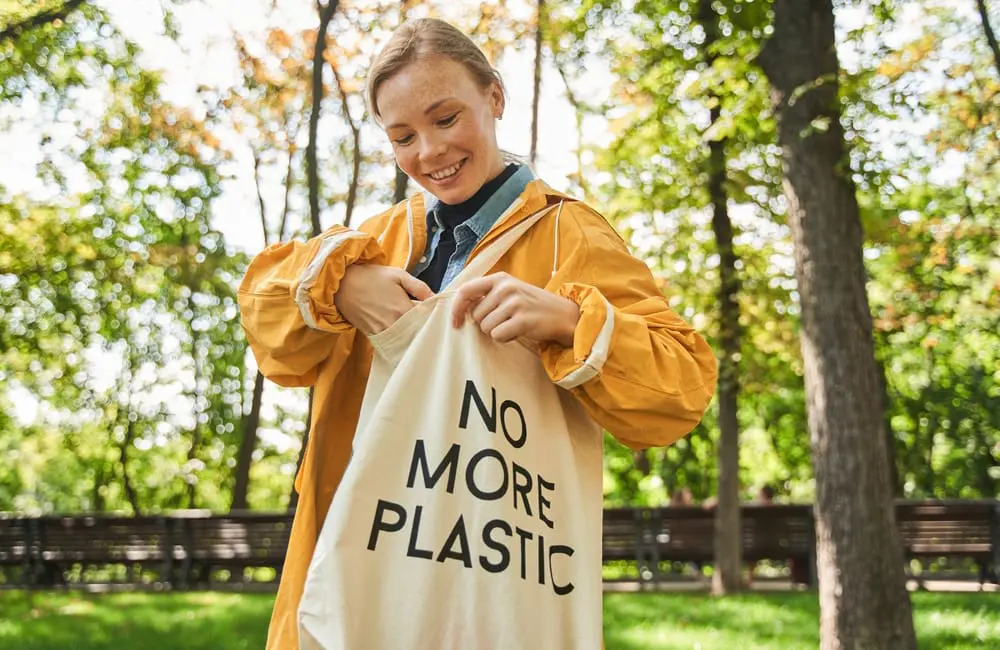
This has real-world implications with previous UQ research showing tourism is responsible for almost nine per cent of global carbon emissions.
The world-first study is the first to identify a unique ‘vacation place identity’ and its implications for environmental sustainability as efforts to encourage green habits among travellers have failed.
PhD candidate Dorinne von Briel said vacation place identity is a distinct, measurable psychological state that emerges when people travel.
“This contrasts with the more commonly known ‘home place identity’, which is rooted in routine, responsibility and long-term emotional connection,” she said.

Professor Sara Dolnicar said activating your home place identity before departure or during travel could boost sustainable behaviour on holiday.
“Sustainability messages often fail because they target tourists when their vacation place identity is already dominant. Industry and policymakers should rethink timing and tactics for sustainability campaigns,” she said.
“Instead of guilt-based messages during trips, like reusing towels or reducing shower times, subtle prompts that evoke our home routines before departure could make a huge difference.”
Read the full report here.
KARRYON UNPACKS: Understanding holiday mode sustainability gives travel businesses a smarter advantage, showing that well-timed, pre-trip messaging can inspire greener behaviour without dampening the holiday mindset or relying on guilt-driven tactics.