



Recently released research from the World Travel & Tourism Council (WTTC) indicates that one in three international travellers (including Australians) are less likely to visit the United States over the next two to three years if the US’s expanded border social media requirements are in place.
That hesitation carries significant weight. Under a high-impact scenario, WTTC says the US could see 4.7 million fewer arrivals from visa waiver markets in 2026, a drop of almost one quarter.
In economic terms, visitor spending under the scenario would fall by up to US$15.7 billion (around AU$22 billion), while wider travel and tourism gross domestic product could shrink by US$21.5 billion (over AU$30 billion). Employment losses may also reach 157,000 jobs, equivalent to erasing an average quarter of US job creation.
Unfortunately for the US tourism sector, the findings reflect sentiment already baked in. In the study, two-thirds of respondents were aware of the policy direction, signalling that behavioural impacts would be felt quickly rather than gradually.

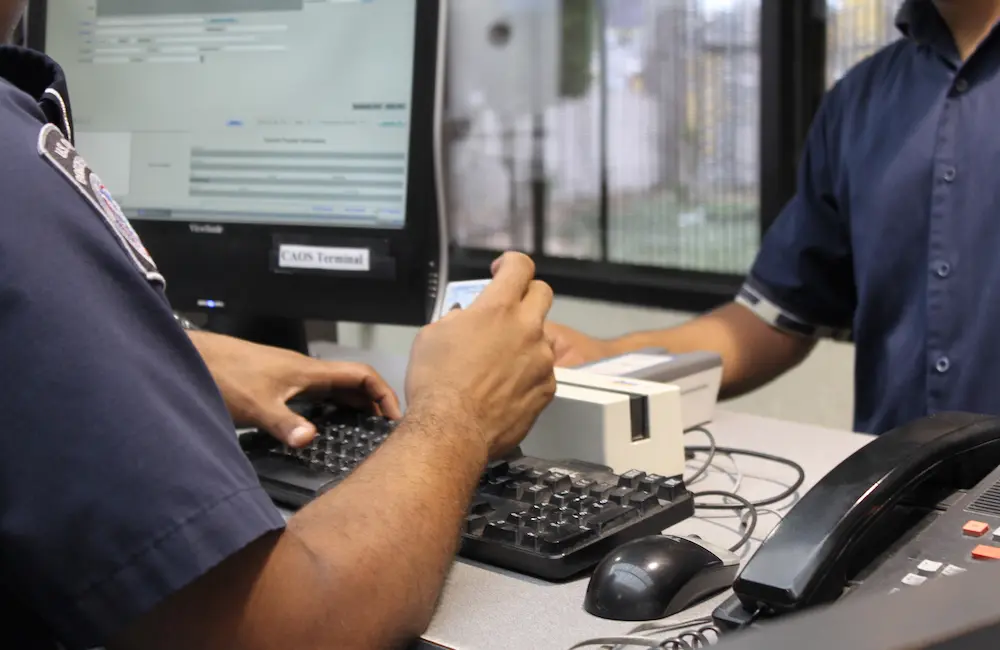
And perception is a key driver. According to WTTC, more travellers say the social media proposal would make the US feel less welcoming to leisure and business travellers, with few believing it would improve personal safety.
When benchmarked globally, respondents rated the US entry process as more intrusive than competitors including the United Kingdom, Japan, Canada and Western Europe.
“Even modest shifts in visitor behaviour, put off by the planned changes, will have real economic consequences for US travel and tourism, particularly in a highly competitive global market,” WTTC President and CEO Gloria Guevara said.
For inbound tourism, the timing is sensitive. The US remains 11 million international visitors behind 2019 levels, leaving little margin for further demand shocks. And in a fiercely competitive market, policies that raise friction risk diverting travellers elsewhere, with long-term consequences.

“WTTC urges US policymakers to carefully assess this policy and its consequences for the economy and jobs,” Guevara said.
“Travel and tourism is a critical driver of the American economy, job creation and international connectivity, with one in three jobs in the world created by the sector.”
According to US National Travel and Tourism Office (NTTO) data, 958,574 Australians visited the States over the course of 2025, a 6.5% decrease from the 1,025,011 who visited in 2024.
The WTTC research was based on online surveys with 4,563 international travellers across Australia, Japan, South Korea and parts of Western and Southern Europe.
KARRYON UNPACKS: For Australian advisors, this reinforces a familiar truth: confidence drives bookings, and friction sends travellers looking elsewhere.