



Calgary has spent decades being introduced as Alberta’s gateway to the Rockies. The city you pass through on the way to Banff. The layover before the mountains. That story is changing. Karryon’s Matt Leedham sat down with Tourism Calgary President and CEO Alisha Reynolds to find out how.
Into the Hearts of Canada is an engaging 10-part podcast series that explores the people, places, and powerful ideas shaping the future of travel through a Canadian lens.
From Indigenous knowledge-keepers and local changemakers to iconic landscapes and regenerative tourism pioneers, each episode offers an intimate conversation with the people reimagining what travel can be. Whether you’re a curious wanderer or a travel professional seeking fresh insights, this podcast invites you to see Canada with new eyes and an open heart.
Episode 8: Calgary’s Blue Sky City moment: Tourism Calgary CEO Alisha Reynolds on sunshine, Stampede spirit and a visitor economy built for good
When Alisha Reynolds, President and CEO of Tourism Calgary, describes a city stepping out from behind the Rockies and into its own light, she means it literally. “We’re the sunniest major city in Canada. We get an average of 333 days of sunshine,” she says. The nickname is Blue Sky City. “It carries not only the natural beauty of blue sky, but also the sense of optimism that unites everybody under it.”
Reynolds stepped into the lead role just over a year ago. Calgary’s population has ticked past 1.5 million. It’s the third-most-diverse city in Canada. And while it still serves as a natural base for the Rockies, it’s increasingly generating its own gravitational pull.
But when she talks about what destination leadership actually means, it comes back to something simpler than strategy. “At the core of everything you do is building community and sharing your passion for a place with other people.”
Stampede beyond the park

The annual Calgary Stampede, held in July, remains iconic. “At its core, a celebration of warm Western hospitality,” Reynolds says. But it has evolved well beyond the chuckwagons. “It’s now a festival for music, for food, for art,” and one of the biggest music festivals in the country.
What’s changed most is the footprint. “This is not a festival that lives on one piece of land.” It spills into the streets, the restaurants, the culture of the whole city.
And yes, visitors really do lean in. “People ask, should I really wear jeans and cowboy boots and a cowboy hat?” Reynolds laughs. Absolutely.
A $6 billion ambition
Calgary’s visitor economy currently generates around $3 billion in spend. The target is to double that to $6 billion by 2035.
That’s not wishful thinking. Major infrastructure is already reshaping the city’s capacity. The expanded BMO Centre. New entertainment venues. Cultural anchors like the Glenbow Museum, which Reynolds notes will house “the largest collection of Indigenous art in Canada.” And the calendar is stacked, with more than 80 festivals and events downtown alone every summer.
Indigenous tourism: listening first
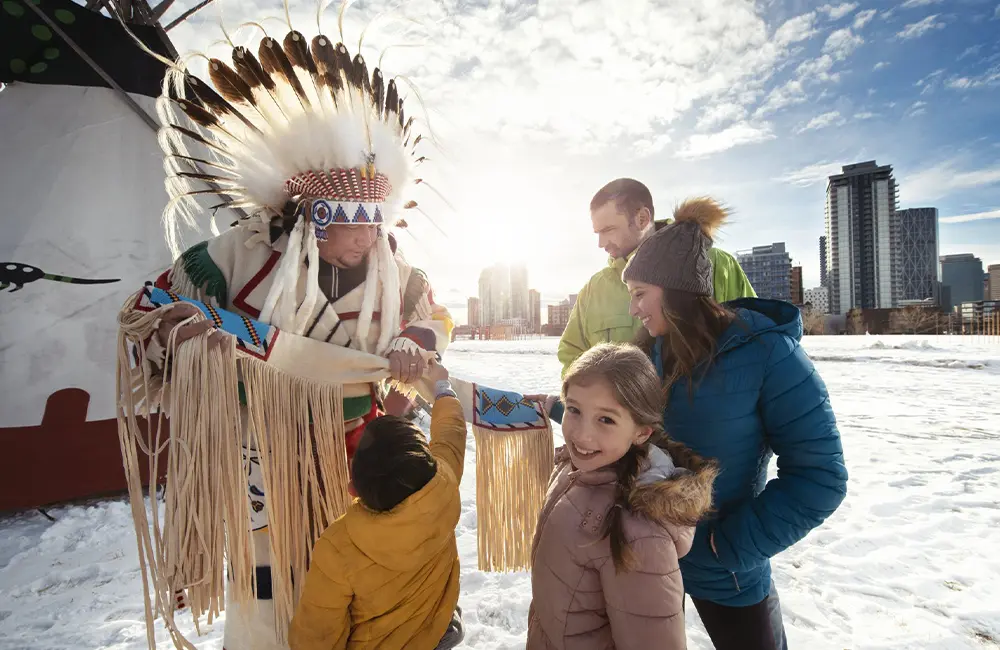
Visitors are asking better questions. “Almost unanimously, they’re asking, can you please tell us the story of this place?” Reynolds says.
She doesn’t shy away from the weight of that. “The truth is painful. Now is not the time for silence. We need to absolutely listen and amplify Indigenous tourism experiences.”
In our conversation, she talks about what that looks like in practice, from guided art walks through East Village to Indigenous-led culinary experiences that are changing the way visitors taste the city.
Hospitality as identity
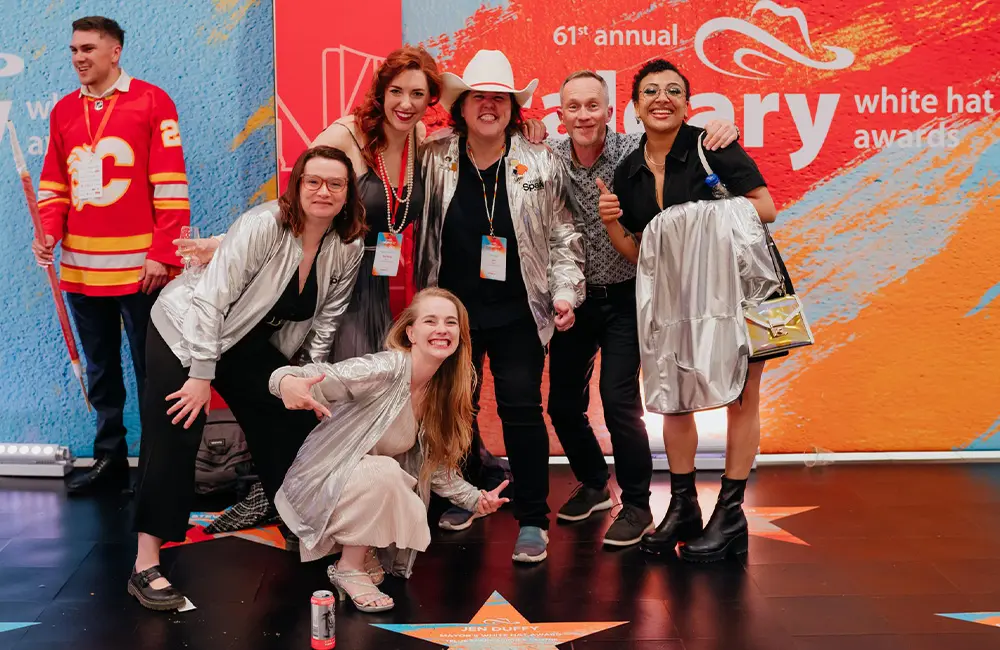
Few symbols capture Calgary like the white cowboy hat. Originating in the 1950s as a gesture of welcome, the tradition lives on through the White Hat Academy and the Calgary White Hat Awards, which celebrate the frontline workers who make the city feel the way it feels.
“Without them cleaning the hotel room, there’s no hotel room to sell. Without them in the kitchen, there’s no food to eat.”
It’s not a campaign. Its identity. “We’re voted the friendliest city in the world, and you don’t get that from a campaign. You get that by being friendly.”
Why this matters for travel advisors
Calgary’s pitch to the Australian trade is a shift in positioning. Stop selling it as a stopover and start selling it as the base camp. It works as a hub for urban experiences, with easy access to Banff, UNESCO sites, and the wider corridor, without the pressure of moving hotels every night.
The year-round story is real. Indigenous-led storytelling is something clients are actively asking for. And Reynolds makes the practical case too: connectivity, ease, and a sense of value once you arrive.
For Australian clients who’ve already done the classic Rockies itinerary, Calgary gives you a reason to go back and see it differently.
- Plan your trip: visitcalgary.com
- Subscribe to Into The Hearts of Canada Podcast here
- Find your local Canada Specialist Travel Advisor here
- Travel Advisors: Join the Canada Specialist Program here
- Join the Together for Impact pledge and help co-create Canada’s regenerative future
Catch up on past episodes
Into the Hearts of Canada is presented in partnership with Destination Canada.