


As Elements of Byron marks its 10-year anniversary this month, the resort’s impressive repeat visitation numbers and staff retention offer a snapshot of what loyalty looks like at an independent Australian luxury property without a major loyalty program behind it.
A decade on since opening its doors, Elements says that around 20 per cent of guests return for multiple stays, with 3 per cent having visited 5 or more times, and some returning annually and booking the same villa each time. At least one couple has stayed more than 30 times, says the resort.
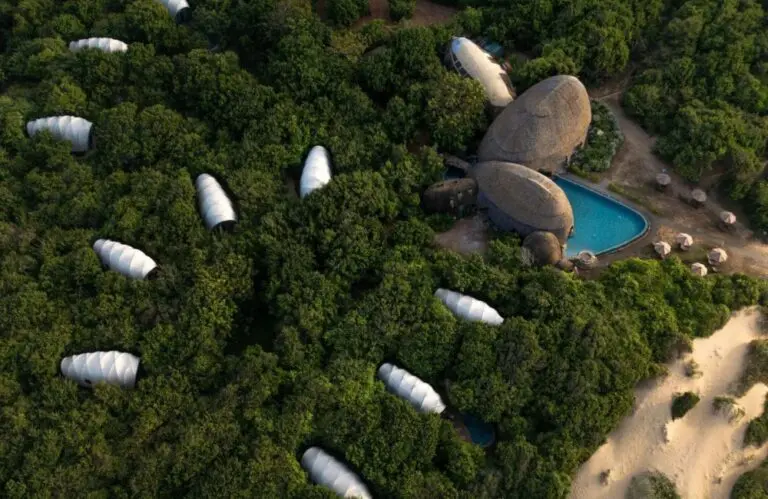
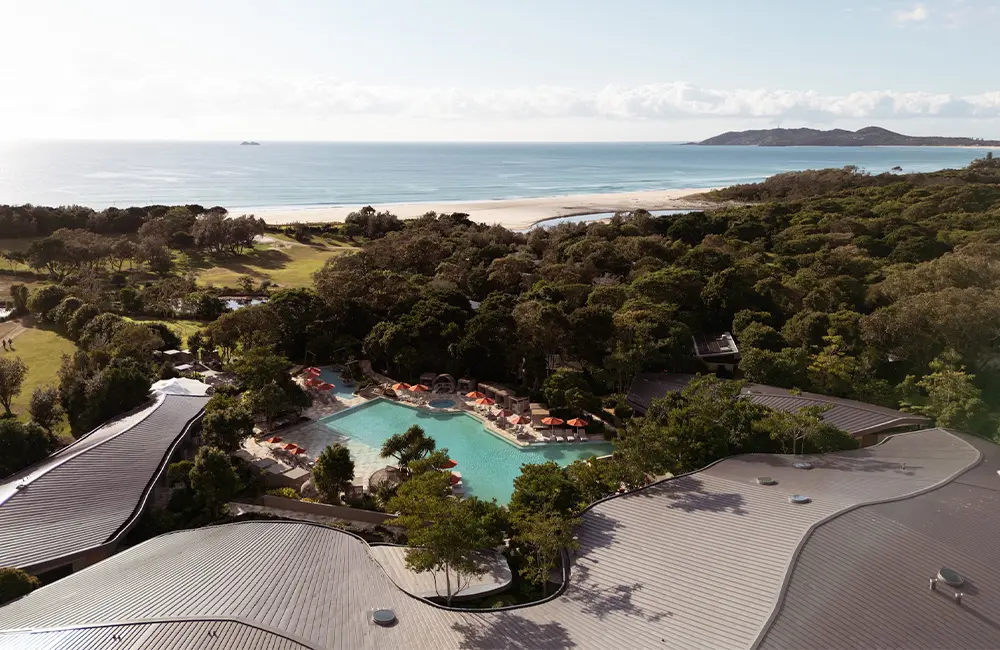
Set across 50 acres of dunes, rainforest and wetlands on Bundjalung Country, the property was designed around the four natural elements: earth, air, fire and water.
A self-described “fifth element”, human connection, is what the property credits for its repeat numbers. The resort says guests have made it the backdrop for proposals, anniversaries, milestone birthdays and growing families, with many returning at different life stages.
Buildings occupy less than 4 per cent of the resort’s 20-hectare footprint, and more than half of the broader estate is under environmental conservation zoning, allowing native ecosystems to regenerate. Guests engage with the environment through guided rainforest walks and nature-led wellness experiences.
Elements is also home to the Byron Bay Solar Train, the world’s first full-sized solar-powered train in scheduled service. The restored 1949 heritage railmotor runs a 3km coastal track between the resort’s North Beach station and Byron Bay town centre, carrying up to 92 passengers on solar and regenerative braking power alone.
How has the team grown?
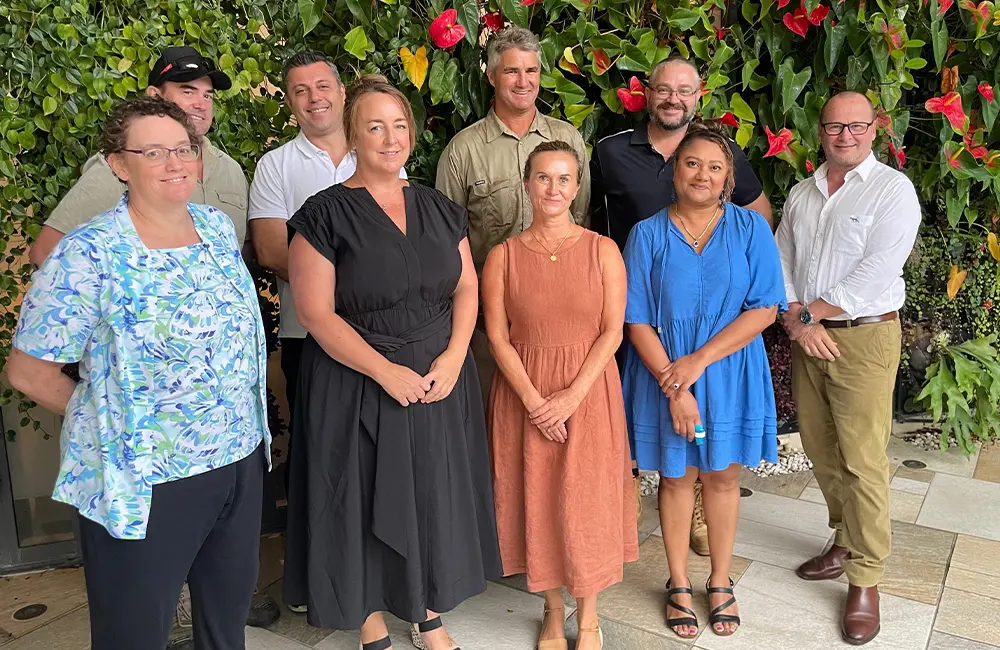
Over the last decade, the workforce has grown from approximately 120 at opening to between 200 and 260, depending on the season, making the resort one of the Byron region’s largest private employers. Several staff have progressed through the ranks, from spa therapist to spa manager, reservations agent to revenue manager. General Manager Michael Skinner says that staff continuity is a factor in guest loyalty.
“Guests tell us time and time again that what stays with them isn’t just the accommodation or the facilities,” says Skinner. “It’s how they feel here – connected to nature, supported by the team, and able to slow down in a way that’s increasingly rare.”
What does luxury look like after a decade?
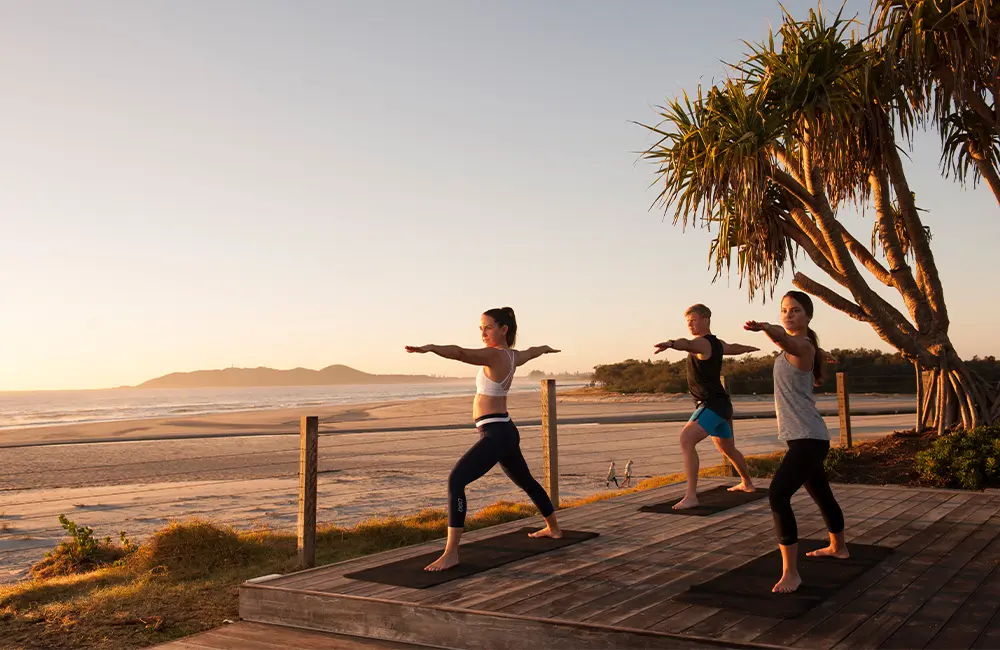
Skinner says the definition has shifted considerably since 2016. “Ten years ago, luxury was often about what a resort had – the scale of the facilities, the finishes, the formality of the service,” he says.
“Today, guests are looking for space, nature and experiences that genuinely give them a kick out of doing something out of the ordinary. The modern interpretation is access to the extraordinary.”
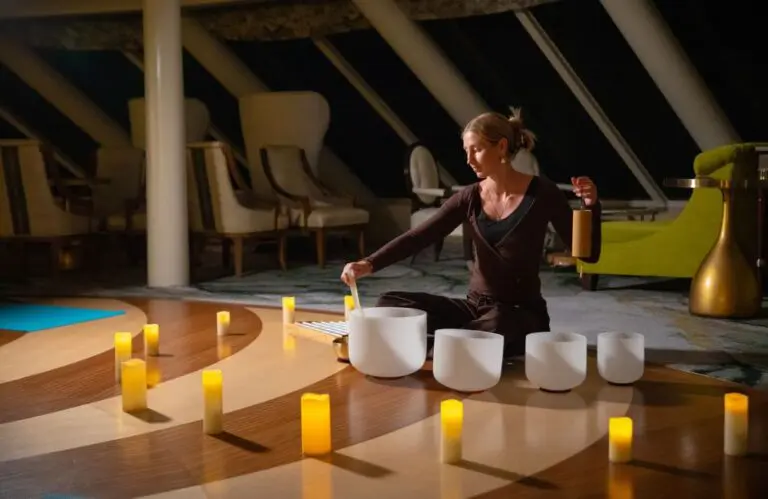
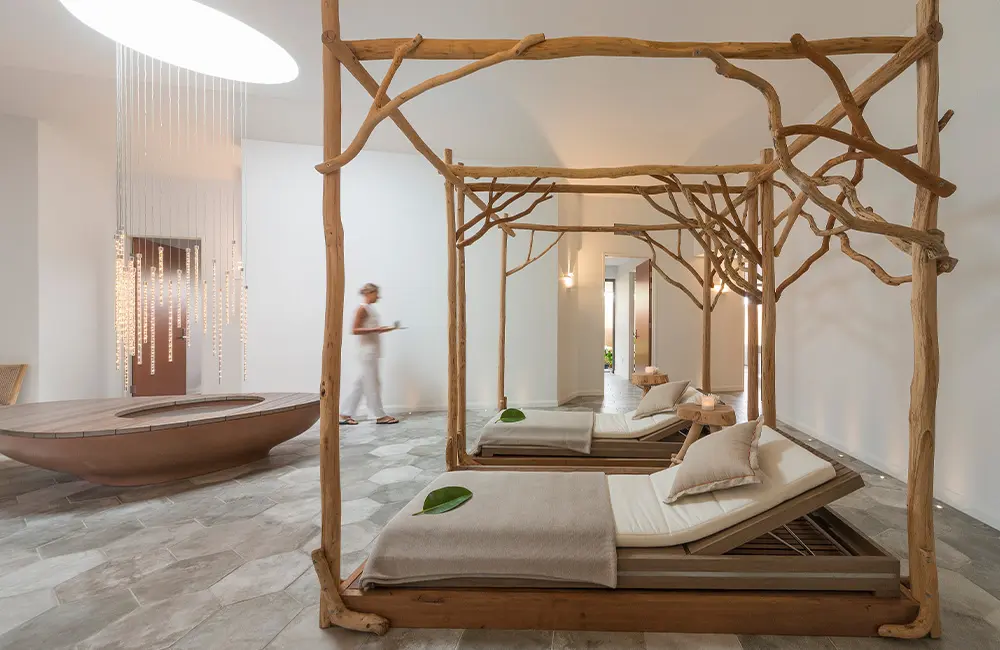
Osprey Spa has shifted from traditional treatments toward rituals focused on nervous system regulation and restoration. Executive Chef Craig Robertson has moved the food offering toward local and foraged ingredients. Both reflect a broader recalibration in how Australian luxury properties define their offer.
What about community investment?
Owners Peggy and Brian Flannery have contributed more than $5.5 million to local charities through their foundation, alongside ongoing support for grassroots organisations across the Byron Bay region.
The resort has also collected more than 35 awards across wellness, sustainability, dining and design, including NSW Tourism Awards for Luxury Accommodation and the 2025 Spa & Wellness Award for Best Hotel or Resort Focused on Wellness.
“I am so proud Elements of Byron has proven to be one of the top luxury resorts in NSW and that so many people have enjoyed holidaying here,” said Peggy.
“Brian and I are immensely grateful to our team, all our wonderful staff and our local suppliers who enable us to operate every single day.”
Read Karryon founder Matt Leedham’s review of Elements of Byron here.