




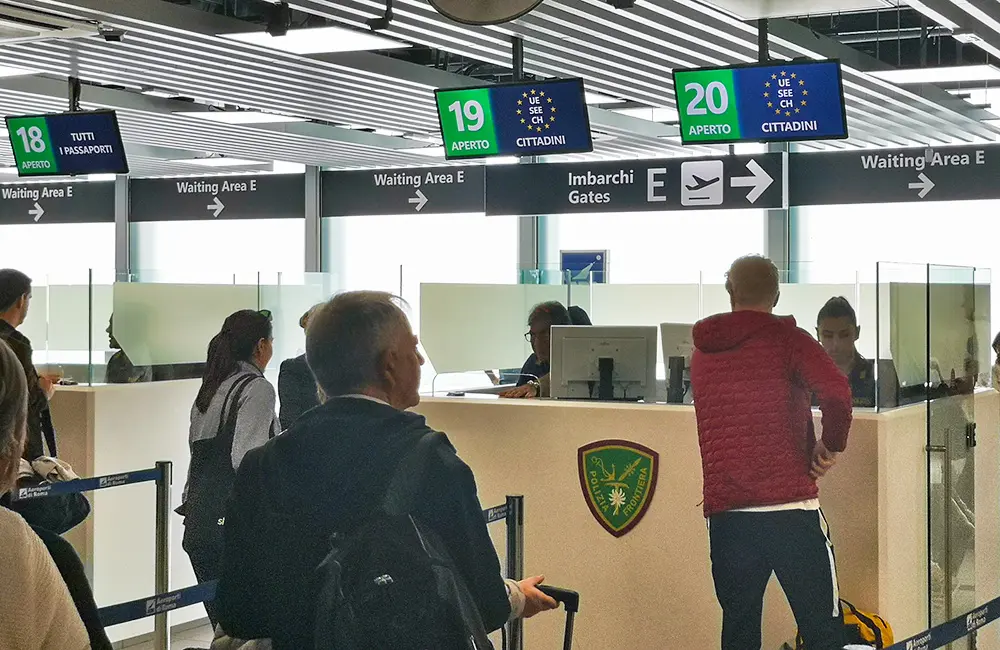
The European Union Entry/Exit System (EES) comes into full effect on 10 April 2026 with new border rules potentially causing airport delays for non-EU travellers, including Australians, and longer queues at security checkpoints at major hubs.
The new EES will roll out across the Schengen Area, including busy airports such as Paris, Rome, Barcelona and Amsterdam, replacing passport stamps with biometric registration for non-EU travellers for short stays.
While the EES has been operational since 10 October 2025 with gradual adoption across the Schengen Area, full implementation at all border crossings across the 29 countries will occur on 10 April.
Aussie travellers will now have their fingerprints and facial image recorded the first time they enter the EU under the new system. After the initial recording, passport control officers only verify your fingerprints and photo, which will take less time.
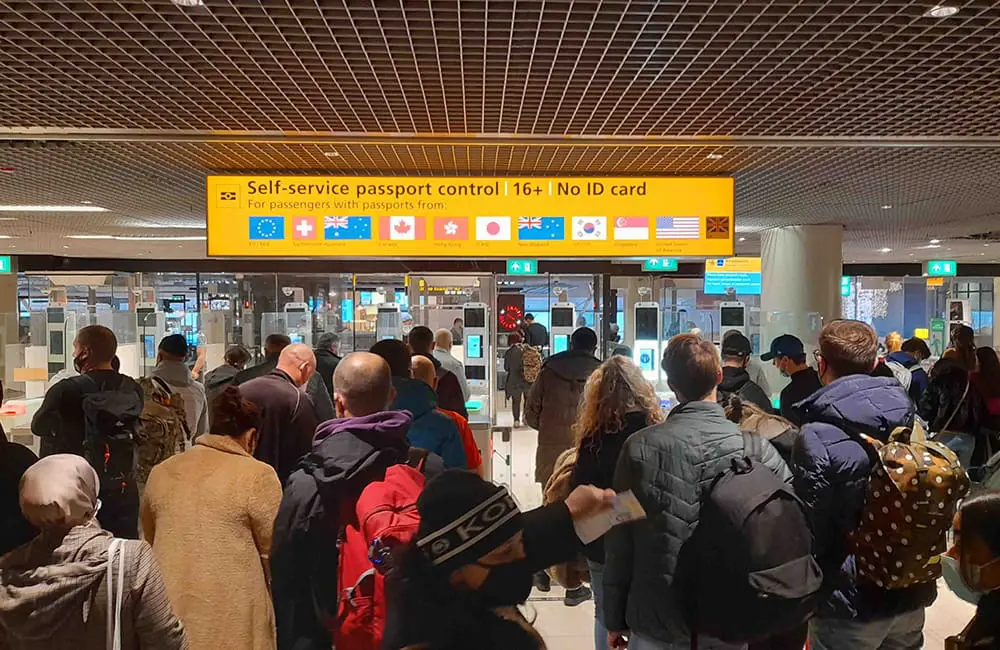
While designed to modernise border controls, experts warn that these early weeks of implementation could mean longer processing times, particularly during peak travel periods like Easter and spring break in the Northern Hemisphere.
Airports could introduce self-service kiosks and separate EES lanes, which could speed up the process for those with biometric passports, such as Australia. Mobile applications, if available, could also cut down the processing time.
The EU said the system will streamline border management by digitally recording entries and exits, but like any large-scale rollout, the first weeks are expected to be a testing phase.
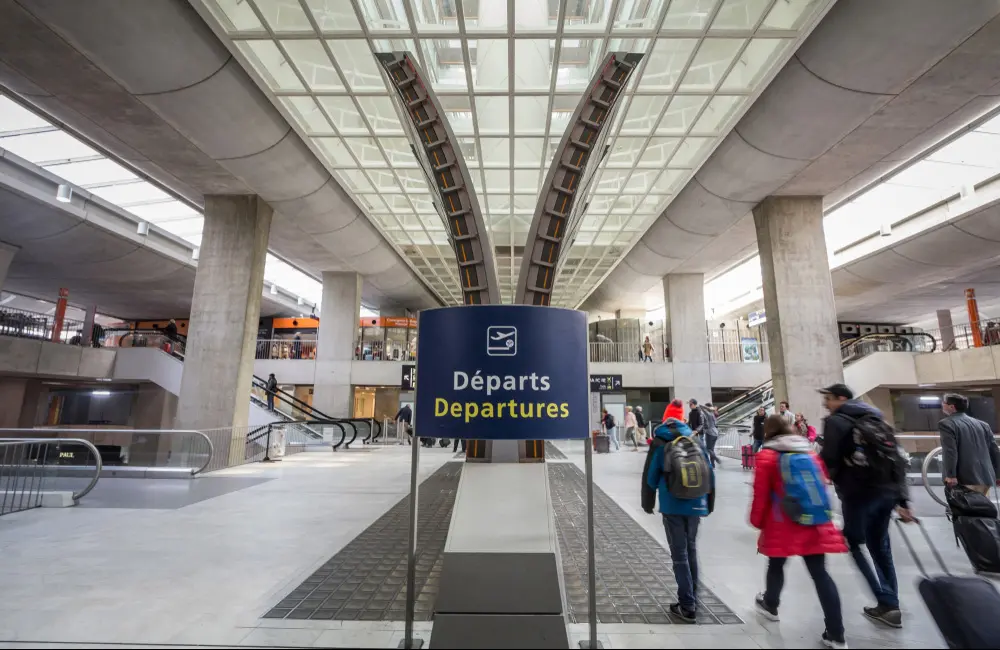
Saily travel eSIM app CEO Vykintas Maknickas said international travellers should allow extra time for arrival, especially for tight connections, and be prepared for slower border checks, particularly if it’s your first time visiting the EU under the new system.
The Schengen Area includes 29 countries: 25 EU member states and four non-EU countries (Iceland, Norway, Switzerland and Liechtenstein). Ireland and Cyprus are not part of the Schengen Area.
Travellers are allowed to stay for a maximum of 90 days in the Schengen Area within any 180- day period.

The new process comes ahead of the new European Travel Information and Authorisation System (ETIAS) launch in the last quarter of 2026.
ETIAS will apply to all non-EU nationals from visa-exempt countries – including Australia and New Zealand – and will cost €20 (around AU$35).
KARRYON UNPACKS: This Europe travel warning underscores a shift to digital border control, requiring advisors to better prepare clients for delays while reinforcing their role in managing expectations and seamless arrivals for the wider EES rollout.