





APT CEO David Cox says 95 per cent of travellers who had bookings in March and April have continued to travel despite the Middle East crisis.
APT moves about 60,000 passengers each year, and CEO David Cox says of all of those booked for travel during March and April, only five per cent cancelled bookings.
He says of those, about 50 per cent changed airlines to avoid the Middle East in those first weeks when the US and Israel launched military strikes in Iran.
“I think there’s a misnomer now that flights aren’t happening and no one is going into Dubai or Doha, but there are flights going every day. In the initial outbreak, yes, we had cancellations of flights, but we managed to get them rebooked.”
He says that “resilience” is because the over-55s travel market in Australia are “mature travellers who have a mentality that if I am booked, it’s not a problem and I am going”.
“They understand that the airline won’t fly there if it perceives a massive danger.
“There has been burnout from COVID and how ridiculous it was to shut everything down, and they are saying, ‘I’m not going down that path again’.”

He says there’s no denying that some travellers are now sitting on their hands for forward bookings, but for those who were booked, it was business as usual.
“There’s been a slowdown in forward bookings, and everyone in the travel industry is seeing that, and it’s only for international bookings – domestic travel has seen a spike – and my view is that by mid-May we’ll know more, and when things come back, there will be a flood of bookings.”
He says Australian travellers are used to these world events and it won’t stop the desire to travel.
“There’s one event after another, but Australians aren’t put off because they know there will just be another event, so we’re encouraged by what travel will look like in a few months from now.
“Ultimately, there is consumer confidence in travel, and the Government saying we are expecting hard times ahead is not helpful; there’s no purpose in that.”

TravelManagers Executive General Manager Michael Gazal says not only were their Australian travel clients continuing with bookings, but they had strong March sales too.
“Australians are big travellers, and they still prioritise travel, and they still want to go to Europe, so they are booking on non-Middle East airlines to get there.”
He says while the cost of living is challenging, “we can see that at the petrol bowser,” on the flip side, the superannuation generation has incredible amounts of disposable income.
And he says it’s not just the older generation with a strong desire to keep travelling despite global events, “there is also a lot of money in the Australian travel market across other generations too, who highly prioritise holidays”.
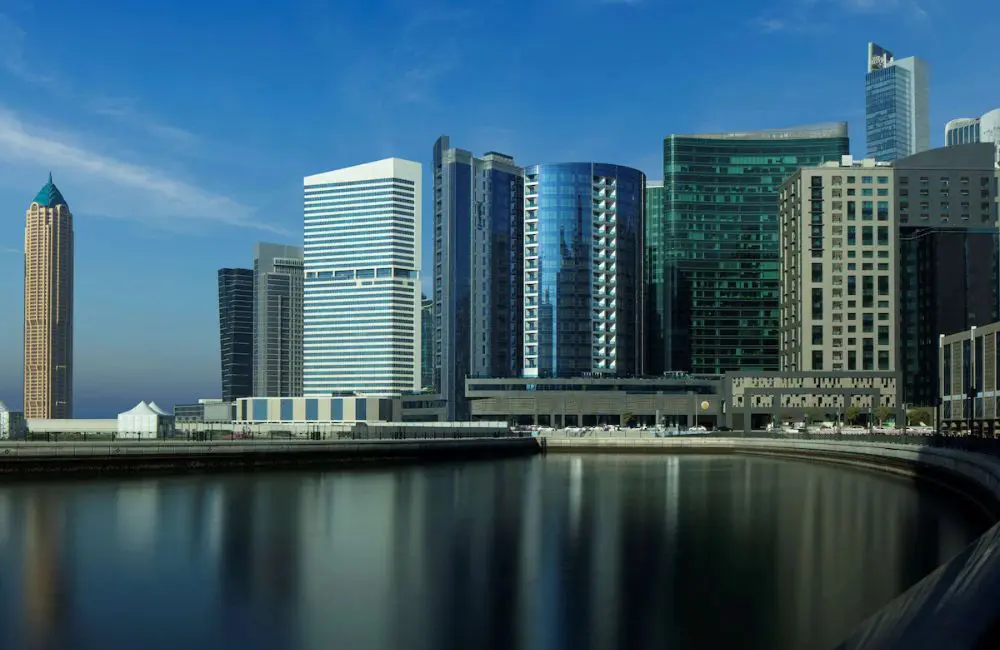
Radisson Hotel Group Middle East, Africa and South East Asia Pacific COO Tim Cordon, who is based in Dubai, says for travellers from Australia and New Zealand with upcoming stays, the message from on the ground is one of reassurance.
“Our hotels remain open and fully operational, and we continue to provide a safe, welcoming environment for all guests.
“We encourage travellers to stay informed through official travel guidance, and we remain committed to offering flexibility and support should plans need to change.”
He says they are also highly confident that Dubai will bounce back.
“The city has consistently demonstrated resilience, supported by strong infrastructure, a diversified source market base, and effective governance.
“While short-term fluctuations are expected, we anticipate recovery to be steady, with Dubai continuing to attract international travellers as confidence stabilises”.
Read more from industry leaders about the situation here:
- Australian travellers still prioritising Europe despite Middle East crisis
- Cruise cancellations ‘”very low” amid Middle East crisis as luxury lines back advisors
Find out more about APT here.