




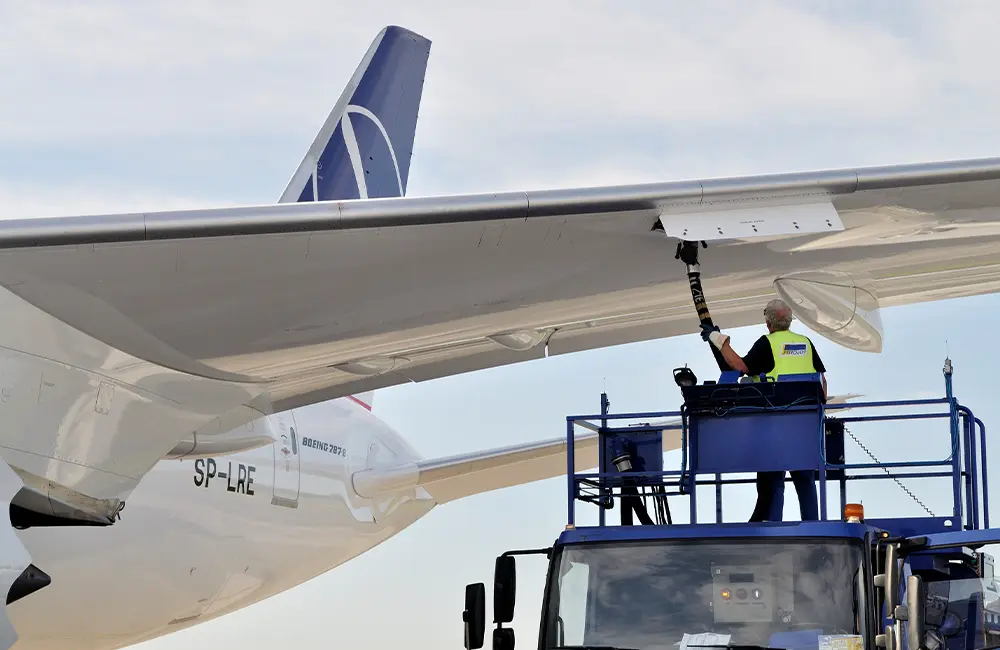
The boss of the International Energy Agency (IEA) says that Europe has “maybe six weeks or so” of jet fuel supplies, warning of possible flight cancellations across the continent.
IEA Executive Director Fatih Birol warned the world is facing what he called its “largest energy crisis” yet, driven by disruptions to key oil and gas supplies through the Strait of Hormuz, a fallout from the US-Iran conflict. And flight cancellations could occur “soon” if the situation isn’t remedied.
“In Europe, we have maybe six weeks or so (of) jet fuel left,” he told Associated Press in an interview.
“If we are not able to open the Strait of Hormuz … I can tell you soon we will hear the news that some of the flights from city A to city B might be cancelled as a result of lack of jet fuel.”
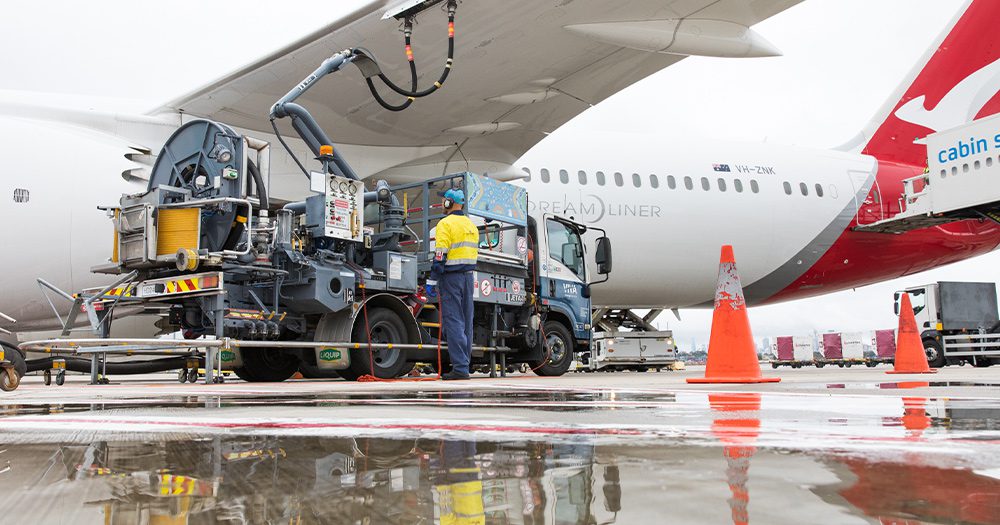
Beyond aviation, Birol added that consumers could expect to see “higher petrol (gasoline) prices, higher gas prices, high electricity prices”.
“The countries who will suffer the most will not be those whose voice are heard a lot. It will be mainly the developing countries. Poorer countries in Asia, in Africa and in Latin America.
“Some countries may be richer than the others. Some countries may have more energy than the others, but no country, no country is immune to this crisis,” he said.
According to AP, carriers KLM and easyJet are among the airlines that said they are not currently experiencing fuel shortages, but whose budgets have been impacted by higher fuel costs. KLM, a Dutch carrier, will cut 160 Amsterdam flights in May – representing around 1 per cent of its European network.
Aussie apprehension?
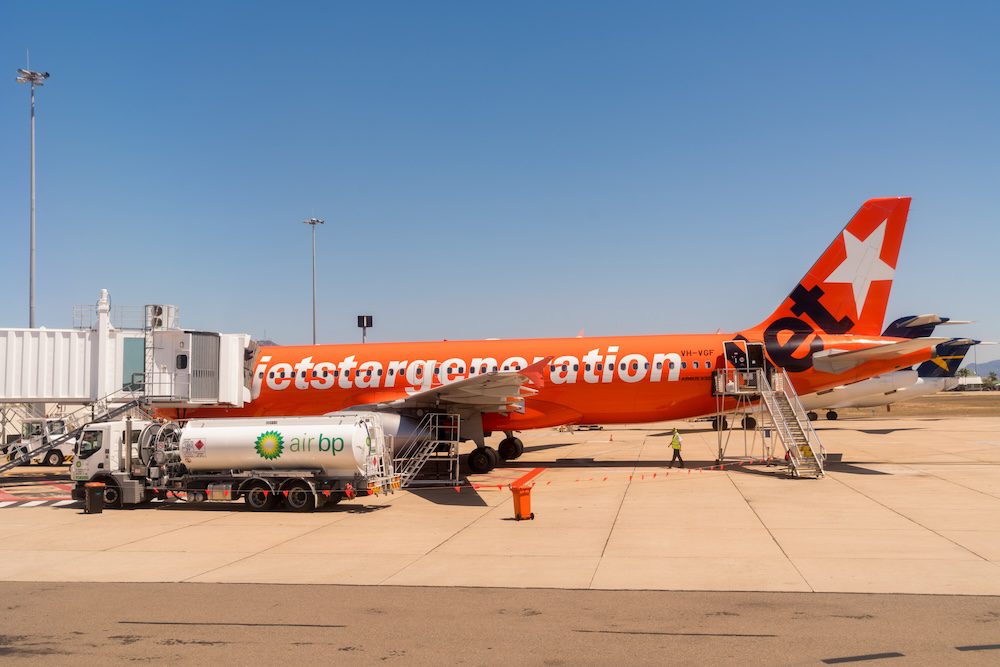
In Australia, there are also concerns that airlines could be running short of fuel. This was compounded by a fire this week at Geelong’s Viva Energy refinery, one of only two operational oil refineries in Australia. While the parts of the plant that produce aviation fuel weren’t directly impacted by the fire, there could be flow-on effects for air travel.
“There will be an impact on production. At this point, production of jet fuel and diesel is continuing at the refinery at reduced levels for safety reasons as a precaution,” Energy Minister Chris Bowen told Today on Thursday.
While there’s a lot of speculation as to how much fuel is or isn’t available to Australian-based airlines, Aussie carriers are standing firm.
Following the refinery fire, which is now out, Virgin Australia told Karryon that it didn’t anticipate any major impact on operations.
“Virgin Australia sources jet fuel from a mix of Australian refineries and imports,” the carrier said.
“We have been advised by Viva that jet fuel supply will not be materially affected by the Geelong refinery fire.
“Virgin Australia’s fuel suppliers continue to provide assurances regarding the near-term supply of aviation fuel to support its operations well into May 2026.”
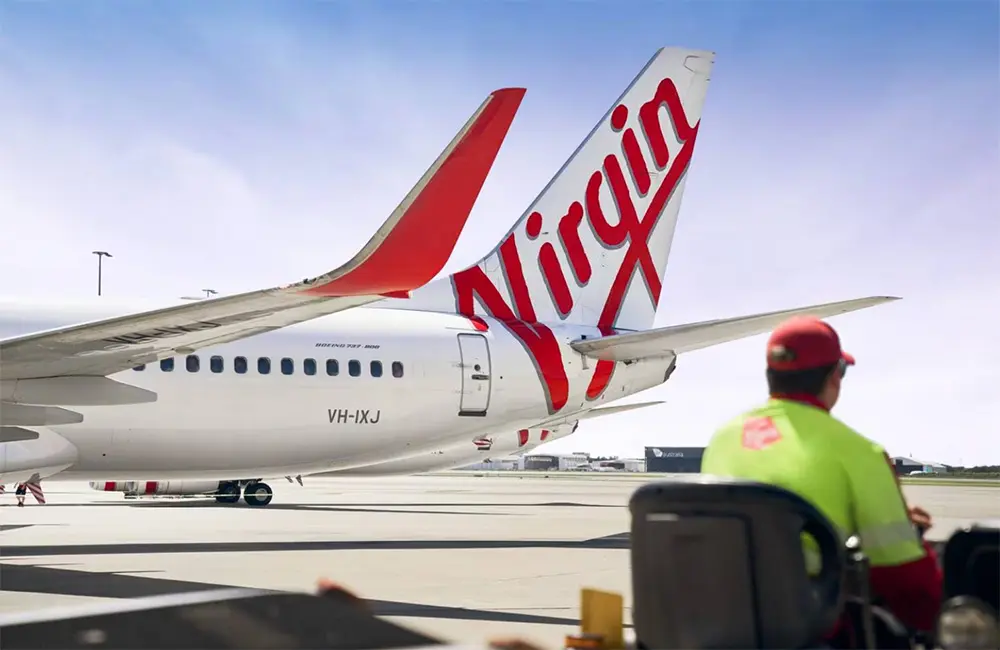
Qantas also said it did not anticipate any disruptions to its supplies due to the fire. According to Fairfax, the flying kangaroo said there was currently no impact on Qantas and Jetstar flights at Melbourne Airport, and that around 90% of the group’s jet fuel is sourced abroad.
However, in an update on its 2026 financial year (FY26) outlook earlier this week, Qantas said that travellers could expect higher airfares and fewer domestic flights over the coming months. After this, Virgin Australia revealed it would also be trimming flights and tweaking fares as fuel costs surged.
KARRYON UNPACKS: Fuel fears have started in Europe, but Aussie travellers might not be immune. Expect higher fares and tighter capacity – making smart planning, pricing conversations and expectation-setting more critical than ever for travel advisors.