



The Federal Government has revealed Sydney’s new and finalised flight paths and their launch date.
Marking the most significant shift in Sydney’s airspace in years, the new flight paths will be introduced from 9 July 2026 ahead of operations at Western Sydney International Airport (WSI). The new Western Sydney hub will welcome its first cargo flights in July, with passenger services to follow in October.
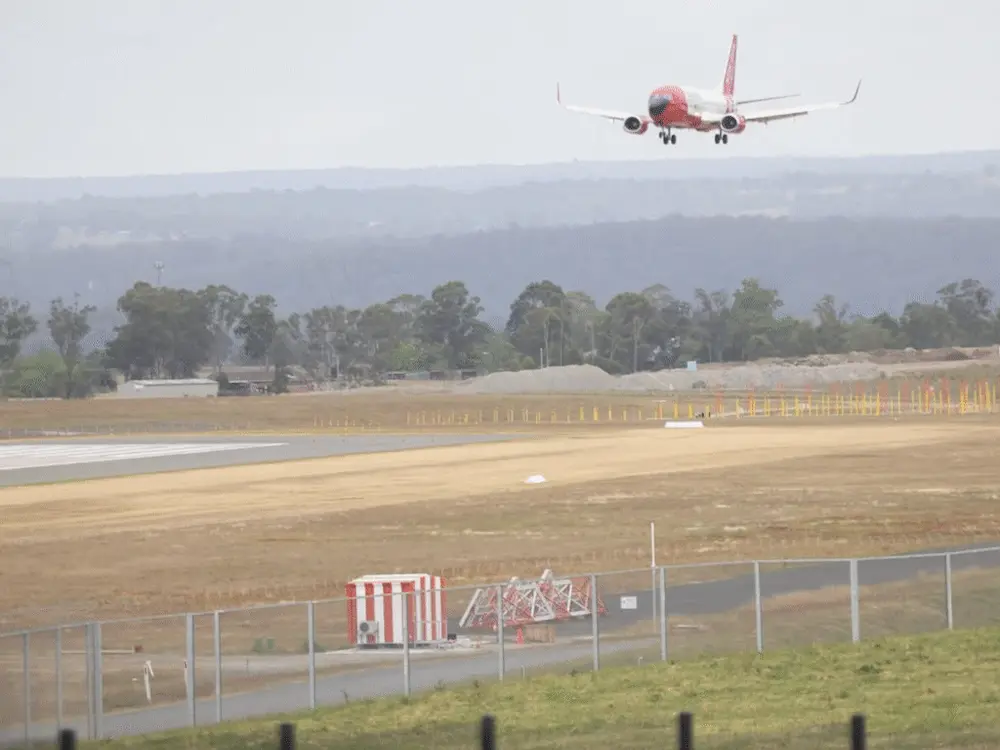
Reshaping how flights arrive and depart across the Sydney Basin, the new flight paths will affect aircraft movements across all three Sydney airports – WSI, Kingsford Smith and Bankstown.
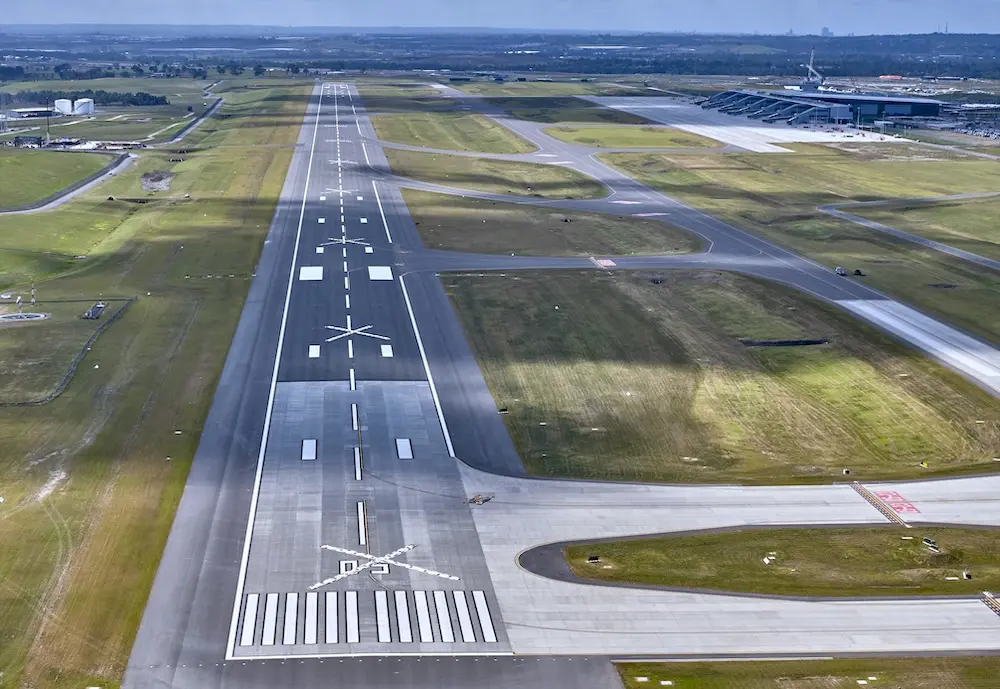
A key feature of the new system is the introduction of reciprocal runway operations at night (between 11pm and 5.30am), where aircraft take off and land in the same direction. The aim is to reduce noise in densely populated areas, including parts of Western Sydney and the Blue Mountains.
To support this, a new noise monitoring program will roll out, featuring nine permanent sites and four rotating monitors over five years. A live tracking platform will also give residents real-time visibility of flight activity.
Meanwhile, homeowners in key suburbs can apply for noise insulation support until April 2028. Eligible properties covered by the WSI Noise Insulation program can be found at wsinoiseinsulation.gov.au.
An airspace advisory board will also be created to oversee early operations and monitor aircraft noise.
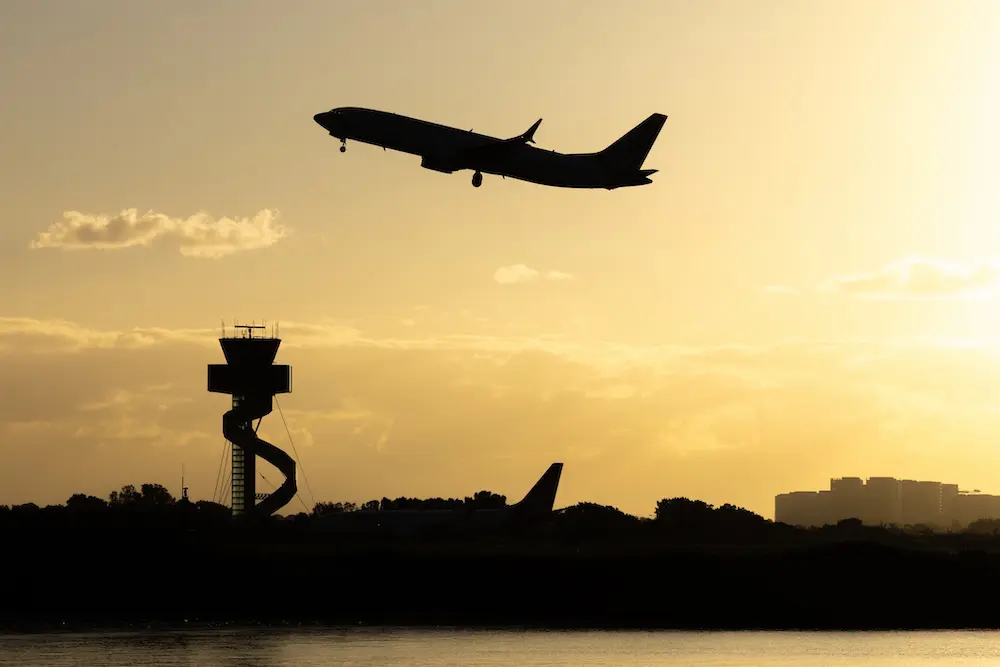
According to the Department of Infrastructure, the new flight paths – developed over three years – follow more than 50 community sessions and 8,400 submissions. Airservices Australia also ran a targeted engagement program in 2025 focused on noise and monitoring.
“This is a critical next step to ensuring our skies are ready to open to Western Sydney Airport,” Minister for Infrastructure, Transport, Regional Development and Local Government Catherine King said.
“With two major airports sharing Sydney’s airspace, there will be a small reshuffle in the skies to make way for new flights coming in and out of Western Sydney.
“We’ve worked to get the balance right, ensuring Sydney’s airports can operate efficiently, while taking nearby residents’ concerns about noise seriously and incorporating their feedback into our plans.
“These paths are not physical infrastructure, so our conversations with community and the airports about how they can adapt into the future can be ongoing.”
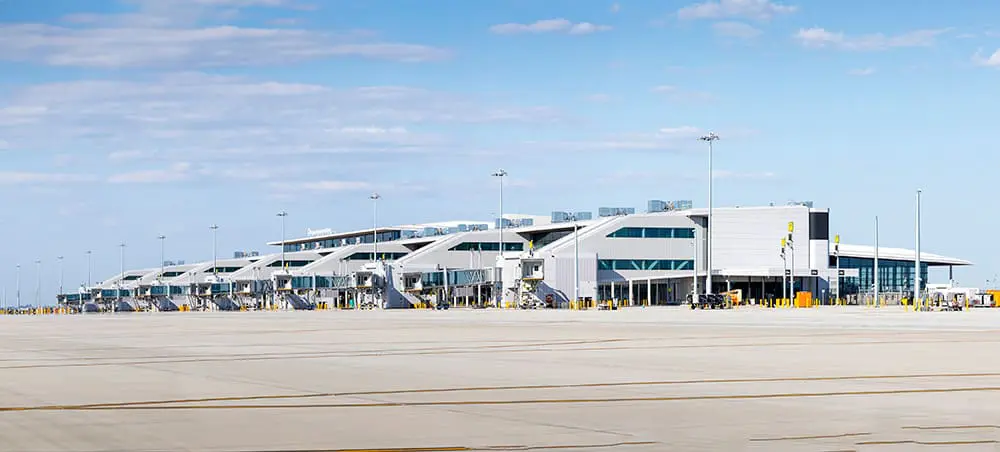
The flight path reveal comes on the same day as dnata announced it would invest around $32 million to establish a dedicated cargo terminal operation at WSI.
KARRYON UNPACKS: Noise-sharing, monitoring and night operations could ease pressure, but only if they work as intended. For the travel trade, smoother community outcomes mean fewer disruptions, fewer complaints and a more sustainable path for Sydney’s aviation growth.