




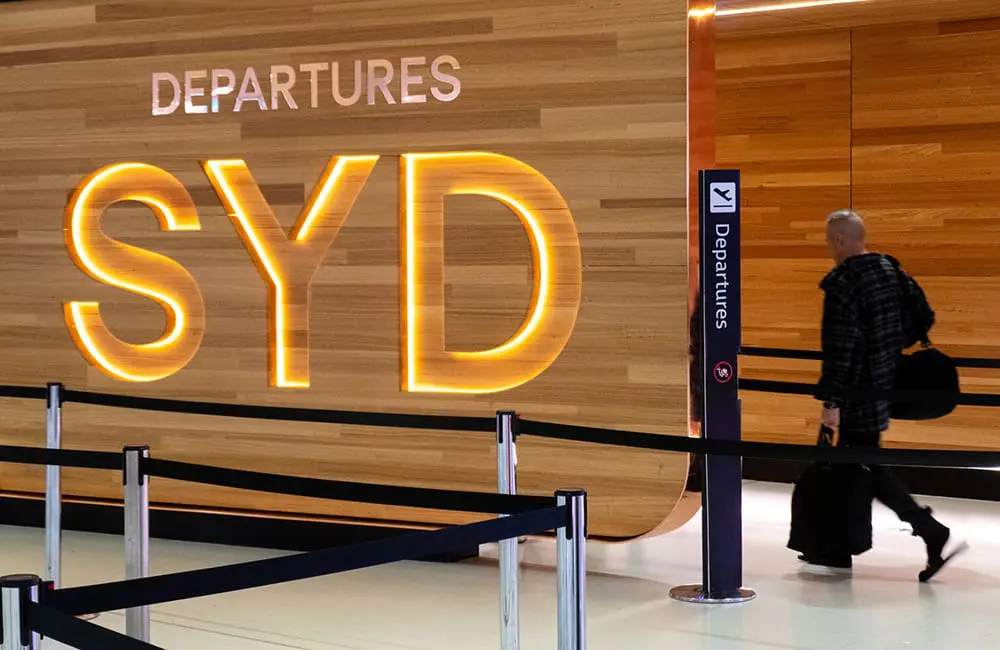
Sydney Airport reported its highest-ever international passenger numbers, reaching 4.57 million in the first quarter of 2026 and marking the busiest start to a year for overseas travel despite ongoing Middle East disruptions.
Sydney Airport has reported its highest-ever international traffic with a record of 4.57 million travellers passing through its T1 terminal in Q1 2026.
The result represents 5.8 per cent year-on-year growth and contributed to a total of 10.78 million passengers across the airport, up 3.6 per cent compared to Q1 2025.
Domestic travel also increased with 6.2 million passengers moving through T2 and T3 terminals, a YOY rise of 2.1 per cent.
Strong demand and increased air capacity across Asia-Pacific and long-haul markets helped sustain momentum, despite disruptions linked to the Middle East conflict impacting flights in February 2026.
Passenger growth in Q1 2026 spread across Sydney Airport’s key international destinations, reflecting the strength and diversity of its network.
Asia‑Pacific destinations continued to account for much of the overall increase in international traffic. New Zealand (up 13.5% YOY) and China (up 14% YOY) were the NSW hub’s largest international markets by passenger volume, compared to Q1 2025.
Passenger volumes on services to and from Kuala Lumpur increased by 32.3 per cent, while services to and from Guangzhou recorded growth of 38.5 per cent.
Travel through Hong Kong (up 21.4%), Shanghai (up 7.6%) and Seoul (up 5.7%) also saw strong YOY increases.
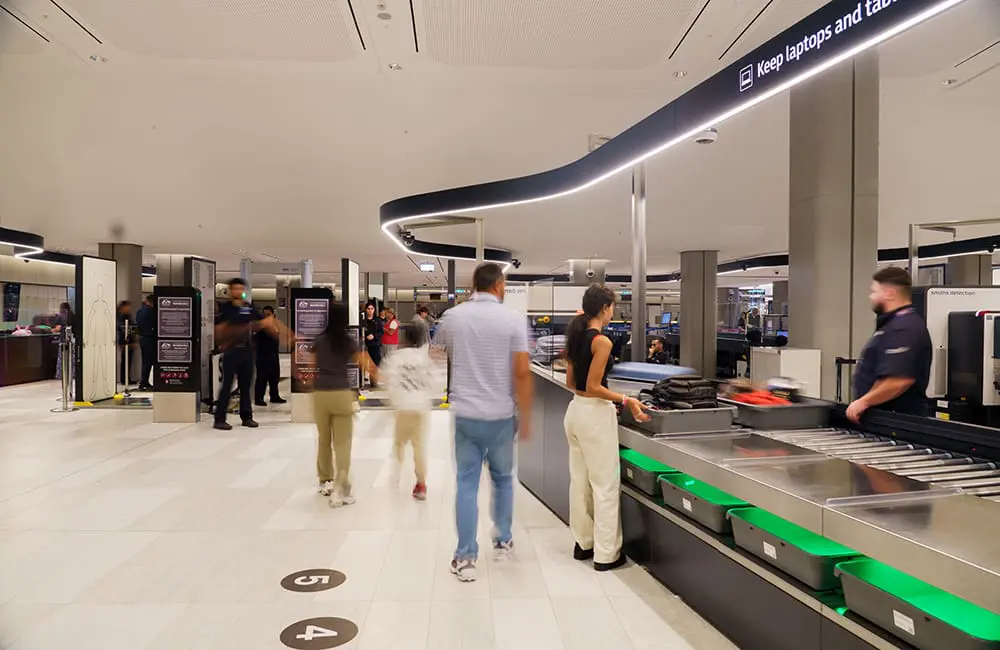
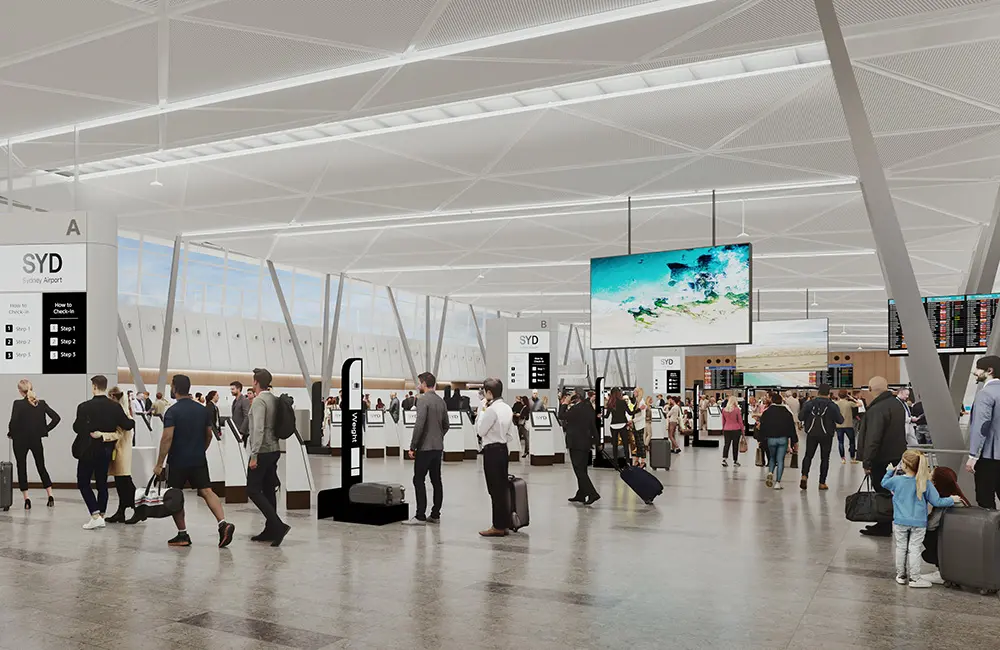
Sydney Airport domestic upgrades progressed across T2 and T3 during the quarter, including six new CT-enabled security screening lanes, 15 self-service BagTag and check-in kiosks, and 30 automatic bag drop systems, alongside new retail outlets. An RFP tender is currently out for T1 terminal retail upgrades.

Sydney Airport CEO Scott Charlton said the result was notable given global challenges.
“This quarter’s record international growth is a great outcome, particularly given the disruption in the Middle East, where many airlines have faced significant operational impacts since late February,” he said.
“Growth across China and broader Asia is increasingly supporting travel into Europe, helping to offset softer conditions in parts of the Middle East.”
Charlton added that short-term tactical changes have mainly affected marginal routes with the airport maintaining flexibility while monitoring longer-term international and domestic seat capacity.
“As we move into Q2, we are seeing airlines adjust their networks in response to geopolitical developments and the fuel environment with a focus on routing changes rather than any wholesale shift in demand,” he said.
KARRYON UNPACKS: For travel advisors, the Sydney Airport international passenger record reinforces continued outbound demand and growing connectivity across Asia, supporting confidence in forward bookings and itinerary planning.