




On a flying visit to Australia, Silversea’s SVP Expeditions, Conrad Combrink talks about the luxury line’s ever-expanding expedition business and why authenticity is so important.
Along with operating four ultra-luxe expedition ships on every continent, Silversea is opening a dedicated luxury hotel for Antarctica travellers in Puerto Williams later this year and releasing 140 new expedition voyages for the 2027-2028 season.
“As luxury travellers continue to search for more meaningful engagement with a destination, our latest expedition voyages reflect that demand,” Combrink says.
“At the same time, expedition itself is evolving, and the global reach of expeditions extends well beyond the Polar regions. We’re seeing very strong interest in travelling off the beaten track in destinations such as Japan, Southeast Asia, the Kimberley and French Polynesia.
“Exploration might include Zodiac excursions, snorkelling and cultural encounters, and follows the same expedition mindset that we offer in Antarctica and the Arctic.”
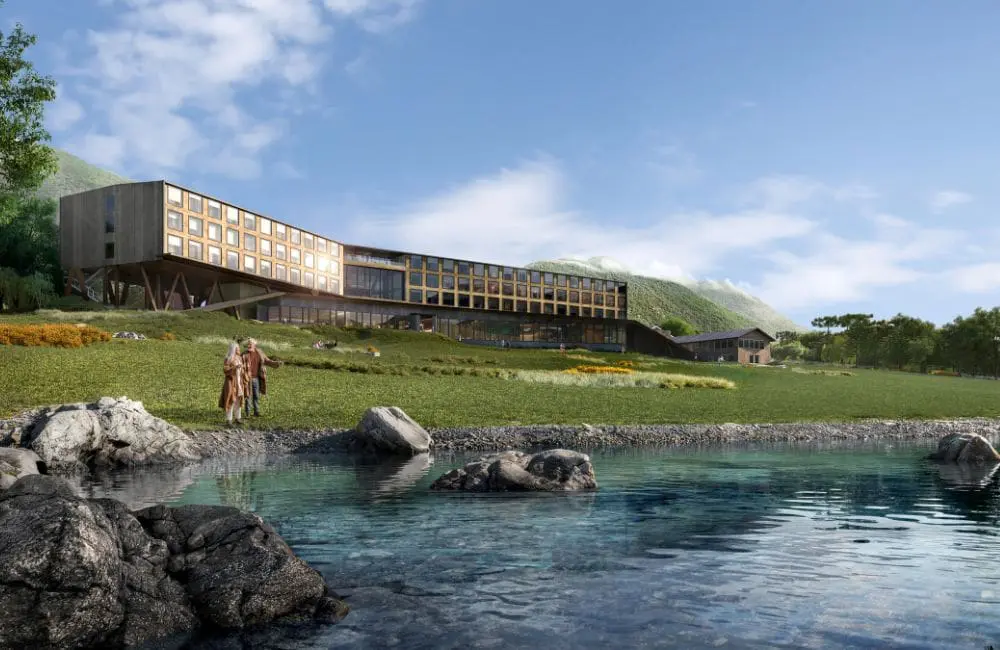
The Cormorant at 55 South
Silversea’s 150-room hotel in Puerto Williams, on Chile’s Navarino Island in the Tierra del Fuego archipelago, The Cormorant at 55 South, is scheduled to open in October 2026.
“Traditionally, Antarctica starts once you’re on the ship. What we’re doing is extending that sense of arrival into the very first stage of the journey,” Combrink explains.
“Guests will have access to regional cuisine and guided experiences in the surrounding wilderness, from nature walks to cultural insights, all designed to build excitement for Antarctica.”
“It is not a pre- or post-cruise add-on – it allows guests to transition into the expedition mindset earlier. Silversea is certainly among the first in the expedition space to integrate an owned hotel into the expedition experience in this way.
“Guests embarking on Silversea’s Antarctica Fly Cruise sailings – the fastest and most direct route to Antarctica – will fly from Santiago to Puerto Williams and spend time in this beautiful natural environment before flying directly into Antarctica.”
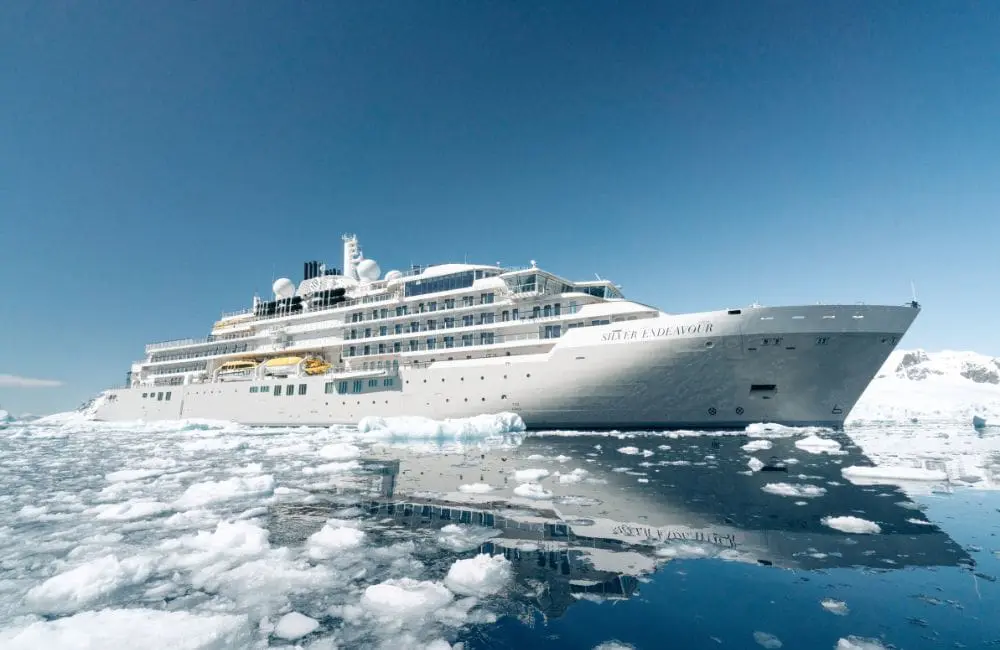
Changing access to Antarctica
Combrink says that Silversea’s Antarctica Fly Cruise product has fundamentally changed access to Antarctica for the luxury traveller.
“The Drake Passage is a defining part of the traditional journey, but the longer duration makes it a barrier for some. By offering direct flights to Antarctica and by maintaining the same amount of time in the destination, we’ve made Antarctica more accessible without compromising the integrity of the experience.”
Flights operate from Southern Chile to King George Island, which serves as the gateway to Antarctica and is where guests board the ship.
“We use Silversea-branded aircraft designed specifically for these conditions that seat just over 100 people, and once guests arrive in Antarctica, the expedition is the same.
“You’re still out on the water every day, doing landings, observing wildlife, responding to conditions, accompanied by our industry-leading expedition experts. The offering responds to the varying needs of the traveller, from shorter fly-cruise itineraries of six to nine days to longer options of up to 18 days.”
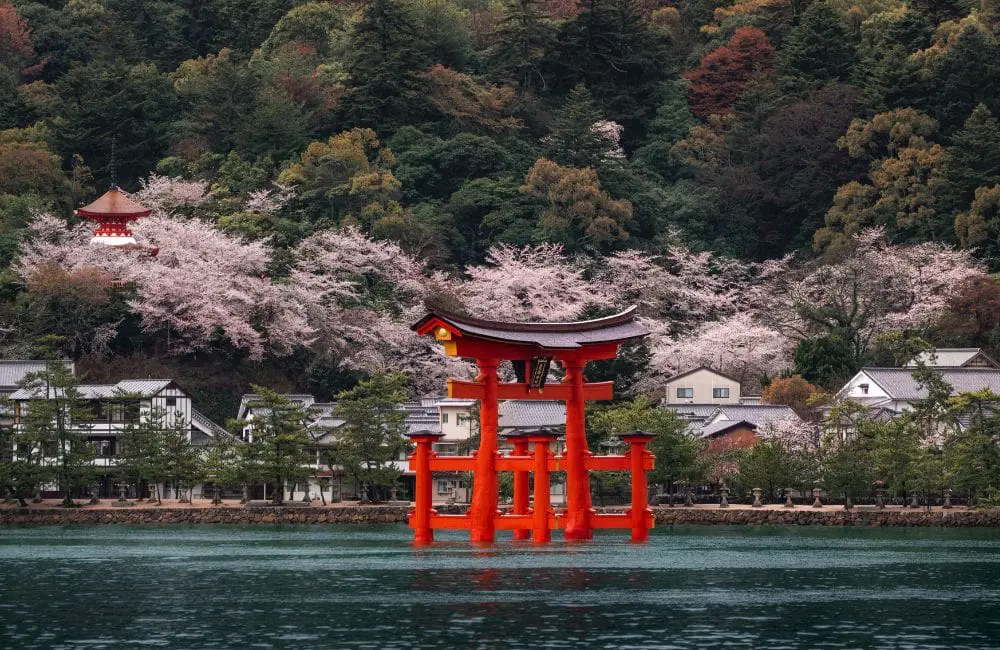
Silversea’s new itineraries
Silversea’s 2027 expedition voyages include new itineraries in Svalbard and Greenland and Japan/Asia and Combrink says, “the defining element is spontaneity”.
“You’re operating in environments where ice conditions, wildlife movements and weather dictate what’s possible – no two voyages are the same. What we’ve focused on is maximising that flexibility. Giving our teams the ability to go further, stay longer where it matters and respond to what’s happening in real time.
“In Greenland, you might spend extended time in areas like Ilulissat, navigating among icebergs and glacial fronts, or going ashore in communities such as Sisimiuit for more cultural connection.
“On certain Svalbard voyages, guests can spend multiple consecutive days within the region, exploring different fjords, glacier fronts and landing sites each day, rather than moving after a single stop.
“Japan and Asia are a different kind of expedition. Here, the exploration is layered with cultural deep-dives. On voyages such as Kobe to Otaru or Otaru to Osaka aboard Silver Cloud, that might mean moving through a mix of both iconic and remote locations, from places like Kanazawa and Aomori to more isolated destinations such as Oki Island and Sado Island.
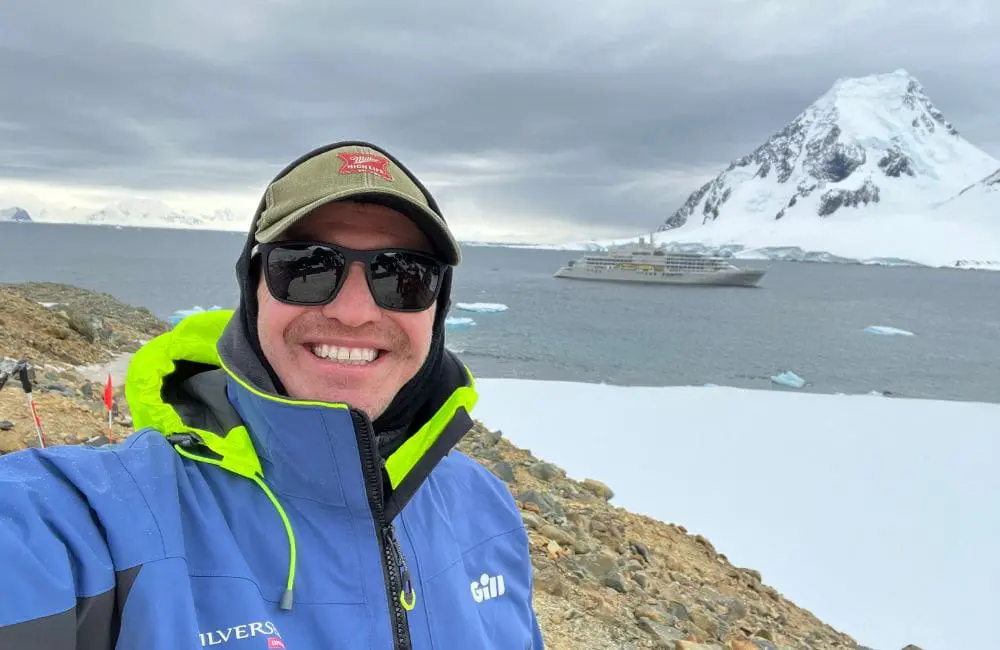
Future predictions and favourite destinations
“I think expedition will continue to move towards delivering authenticity,” Combrink says.
“Guests are becoming more experienced, more informed, and they’re looking for something that feels less curated and more real. That means smaller groups, more time ashore and a greater willingness to adapt the experience as you go.
“There’s also a broadening of what is considered an expedition. It’s not confined to ice and extreme environments. It’s about a mindset, curiosity, engagement, a willingness to explore a place in depth, wherever that place may be.”
During his 32-year career at sea, Combrink has been to more than 150 countries across all seven continents, and Antarctica more than 80 times, but he has his favourites.
“I would have to say Raja Ampat in Indonesia, where the natural beauty, especially the underwater world, is mesmerising! It’s like the Red Sea but better, because it is more untouched and remote.
“Japan is certainly a special place that stands out for me. It reveals itself over time, through its seasons, its regions and its culture. The more you visit, the more there is to uncover. The people are so welcoming, and there is so much to discover.
“Antarctica remains a constant place of interest, unparalleled in the world. It’s never the same twice, and that unpredictability is what keeps drawing me back.”
For more information, visit Silversea.