



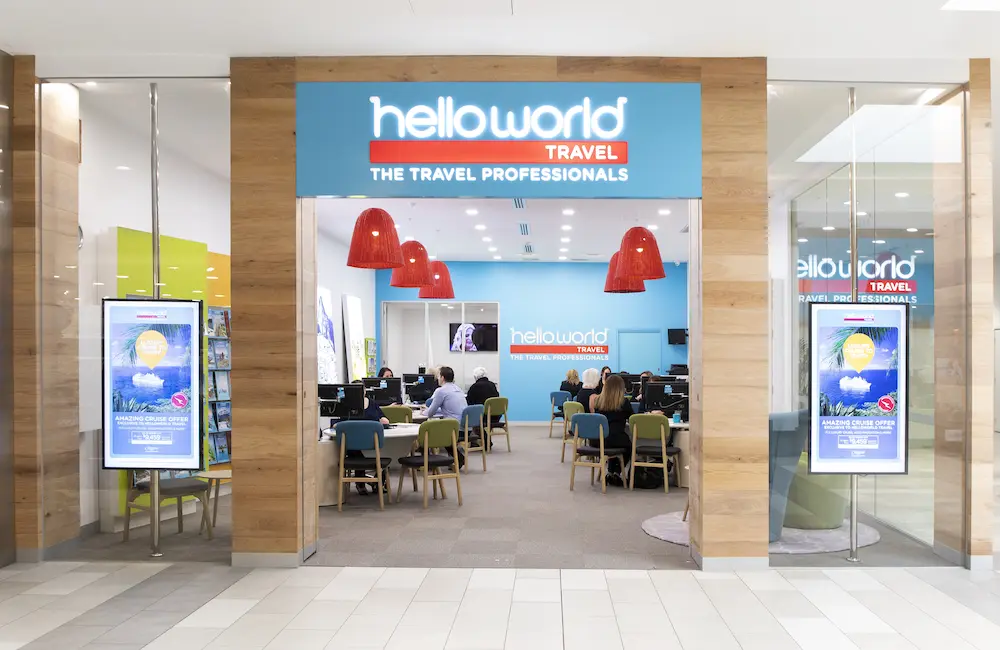
Helloworld Travel has trimmed its full-year earnings guidance after the Middle East conflict softened fourth-quarter bookings, though its forecast still sits ahead of last year’s result and the company expects demand to bounce back within 90 days of a resolution.
In an ASX statement published late on Friday, Helloworld said it now expects underlying EBITDA (earnings before interest, taxes, depreciation and amortisation) of between $57 million and $62 million for FY26, down from the $64 million to $72 million range it reaffirmed at its half-year results in February, before the conflict began.
Importantly, the revised range still sits above the $55.6 million the company delivered last year, leaving Helloworld on track for full-year growth even as the near-term picture softens.
The driver is the Q4 June quarter. Before the conflict, Helloworld’s forward air sales ticketed to depart in Q4 FY26 were tracking about 29 per cent above the prior corresponding period in Australia and 16 per cent in New Zealand, the company said. Cancellations and rebookings have since pulled the quarter to about 4 per cent below last year in both markets.
Much of the disruption hit travellers heading to the UK and Europe via Gulf hubs. Helloworld said the number of international flights leaving Australia on the three major Middle Eastern carriers, Emirates, Qatar Airways and Etihad, fell from 150 a week to nil in March, recovering to about 82 a week at the time of the update.
That forced a shift in carrier mix from Middle Eastern airlines to Asia Pacific ones, moving override income away from Helloworld’s Gulf partners and toward lower-yielding deals with smaller Asian carriers. Higher jet fuel prices have also pushed up airfares, denting new demand.
The hit reflects a broader pullback. Karryon reported that nearly one in two Australians with a 2026 overseas trip had changed, delayed or cancelled plans since the conflict began.
However, Helloworld struck a confident note on the rebound, saying leisure demand should recover to previous levels within 60 to 90 days of a resolution to the conflict. Forward bookings from July onwards are already up on last year, it added.
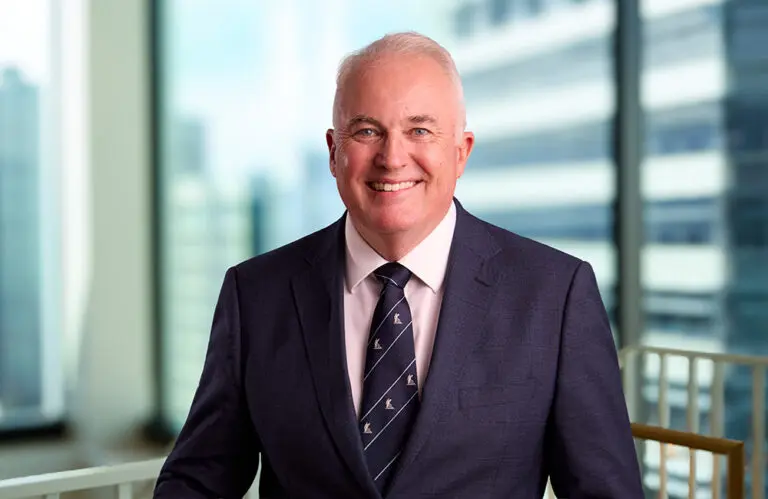
That 60-to-90-day window echoes what Helloworld chief operating officer and executive director Cinzia Burnes told Karryon earlier in the conflict, when she predicted confidence in flying through the Middle East would return within 90 days of a resolution.
“Leisure travel demand is very resilient, and travel is firmly entrenched as a non-discretionary item in households that make up the majority of Helloworld’s market demographic,” the company said.
Helloworld flagged an FY26 final dividend in line with its March interim, which at the $1.40 closing price on 4 June would represent a fully franked yield of about 7 per cent. Chief executive and managing director Andrew Burnes and chief financial officer Mike Smith will host an investor call on Tuesday, 9 June.
The update lands days after Helloworld appointed former federal treasurer Peter Costello as an independent director.
A sector-wide squeeze
Helloworld is not alone, though the hit has landed unevenly across the ASX-listed travel sector.
The same Gulf disruption has trimmed Helloworld’s guidance while it keeps growing, left Flight Centre and Virgin Australia holding theirs, found Qantas still posting strong profits, and pushed only Air New Zealand to pull guidance and flag a bigger loss.
Flight Centre Travel Group reaffirmed its FY26 underlying profit before tax guidance of $315 million to $350 million at its Investor Day on 26 May, but said its leisure business took an estimated $10 million profit hit in April. Total transaction value rose 7.6 per cent to $19.5 billion for the nine months to 31 March.
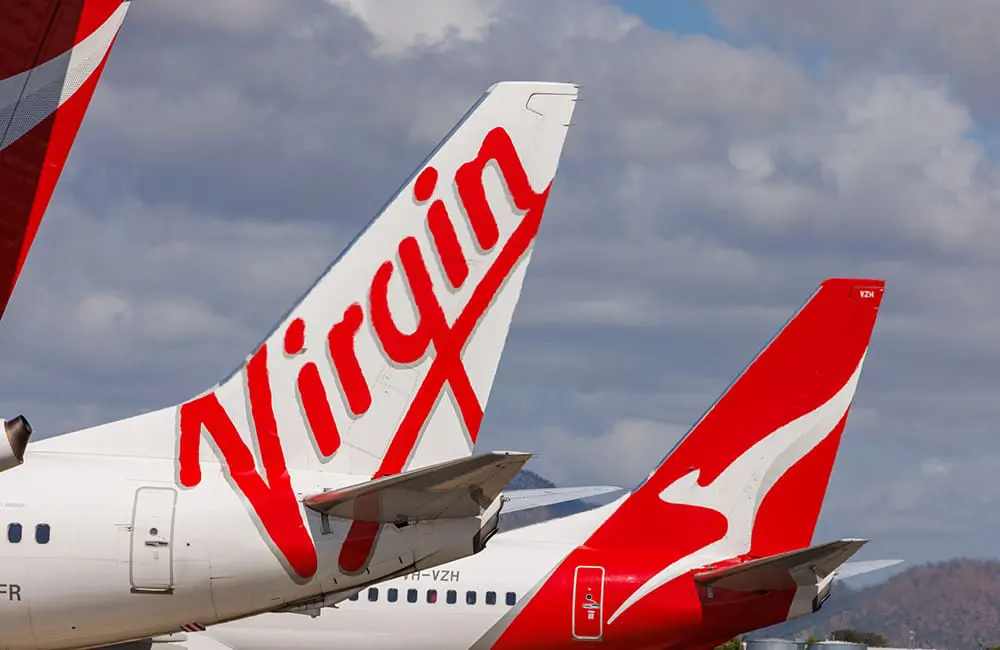
Qantas, coming off a strong first-half underlying profit before tax of $1.46 billion, in April lifted its second-half fuel bill estimate to between $3.1 billion and $3.3 billion, trimming fourth-quarter domestic capacity by about 5 percentage points and pushing fares higher to offset the hit.
Virgin Australia flagged an extra $30 million to $40 million in second-half fuel costs but still held its FY26 guidance, accelerating fare increases and trimming domestic capacity by about 1 percentage point. Its Doha service operated under a wet-lease with Qatar Airways was suspended until mid-June.
Air New Zealand went further, suspending its FY26 earnings guidance and warning of a full-year loss before tax of up to NZ$390 million (A$321m) as its fuel bill more than doubled, with group capacity cut by 3 to 5 per cent.
Finally, Webjet Group, in which Helloworld is the largest shareholder with a 20.1 per cent stake, reported FY26 EBITDA down 20 per cent to $28.1 million for the year to 31 March, with online bookings down 12 per cent on the prior year heading into May.
The clock is the common thread. With about three weeks left until the financial year closes on 30 June for most of these companies, there is little room to recover the lost quarter, pushing the sector’s rebound into FY27.
KARRYON UNPACKS: Helloworld’s is a single-quarter, single-cause dip inside a year still tracking ahead, with the override-income shift from Gulf carriers to lower-yielding Asian partners the margin detail to watch. The striking part is the symmetry: from retail networks to airlines to OTAs, every listed travel name is now pricing the same Gulf shock into its numbers, turning a geopolitical story into a balance-sheet one. The catch is that the recovery clock only starts ticking once the conflict resolves.