




Air New Zealand recorded a robust improvement in year-on-year operational performance in June 2026, operating 12,279 flights across its domestic and international network with 86 per cent arriving within 15 minutes of schedule.
Air New Zealand’s June 2026 on-time performance (OTP) came in almost eight per cent up on the same month in 2025, when 78.3 per cent of flights arrived on time.
The 86 per cent result eased slightly from May 2026’s record 89.1 per cent, but was delivered during a month marked by severe winter weather, a fire at Wellington Airport and other disruptions the airline said were outside its control.
For Aussie travellers, Air New Zealand flies direct to major cities across the Tasman, including a new Brisbane-Queenstown seasonal service and operating the first international flight from WSI, plus onward links via Auckland to the South Pacific, Asia and North America, making reliability a factor for booking connecting itineraries.
What drove the improvement

One of the biggest contributors was a reduction in reactionary delays, where a delay to one flight affects the rest of the day’s schedule. Compared with June 2025, these were cut by more than 50 per cent.
Cancellations within the airline’s control fell to 0.7 per cent, down from 1.7 per cent in June last year. Total cancellations rose to 3.3 per cent of scheduled flights, driven mainly by weather and the Wellington Airport fire.
Air New Zealand COO Ground & In-flight Kate Boyer said the month showed progress towards a more resilient operation.

“June was another solid month for our operations. While our on-time performance eased slightly compared with May, it came during a month where we managed several significant operational challenges and other disruptions outside our control,” she said.
“Despite those challenges, our overall on-time performance improved by almost eight percentage points compared with June last year with every part of our network contributing to that improvement.
“We know reliability is one of the things our customers value most. Every improvement we make means more people arriving on time, making connections, getting home to their families, or starting their holidays and business trips as planned.”
What’s next across the network
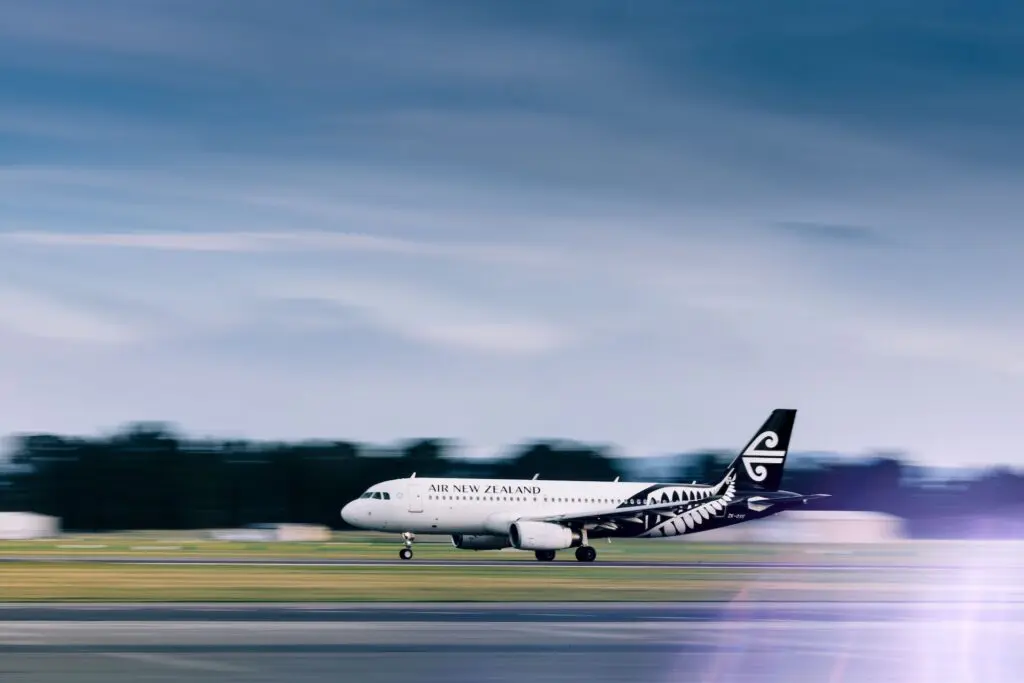
Boyer said the airline had reworked its regional schedule over the past year and was now applying the same approach to its network through schedule adjustments and operational improvements.
“Building a more resilient airline starts with getting the basics right. Over the past year we’ve made changes to our regional schedule to improve reliability and rolled out a targeted program of initiatives designed to improve our day-of execution discipline. We’re seeing the benefits of that work through stronger on-time performance and a greater ability to recover when disruption does occur,” she said.
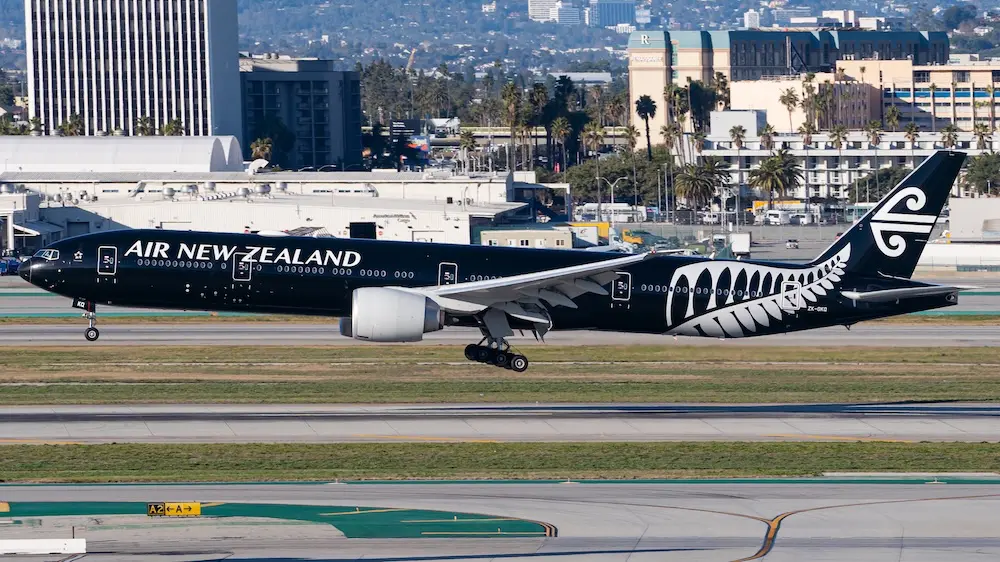
“We’re now taking those learnings and applying them across our jet network through schedule adjustments and operational improvements, so we can continue delivering a more reliable experience for our customers.
“That shows the areas we can directly influence continue to improve, even when operating conditions become more challenging. Reliable operations are fundamental to delivering for our customers and to our ambition of being the world’s most respected airline.
“While there’s always more to do, particularly as we move through winter, these results demonstrate the progress we’re making through continued investment in our people, planning and technology at Air New Zealand,” she said.
KARRYON UNPACKS: On-time performance is a real selling point, particularly for clients on tight trans-Tasman connections to the Pacific, Asia or North America. A year-on-year lift and 50% less controllable cancellations give advisors something to point to when reliability comes up for winter travel.