





Egypt is going paperless at the border, switching its paper visa sticker to an Egypt e-visa QR Code for international travellers in a phased rollout to streamline entry, starting at Cairo International Airport on 1 August 2026.
The new Digital Visa-on-Arrival System launches at all arrival terminals of Cairo International Airport as the first stage of a nationwide rollout to modernise Egypt’s entry process. Other Egyptian airports will follow on a schedule to be announced.
The system replaces the traditional paper visa sticker with a scannable QR code. The Egypt e-visa will cost USD$36 (around AUD$51), which includes the current USD$30 (around AUD$43) single-entry visa fee plus a USD$6 (around AUD$9) issuing fee for the new digital service.
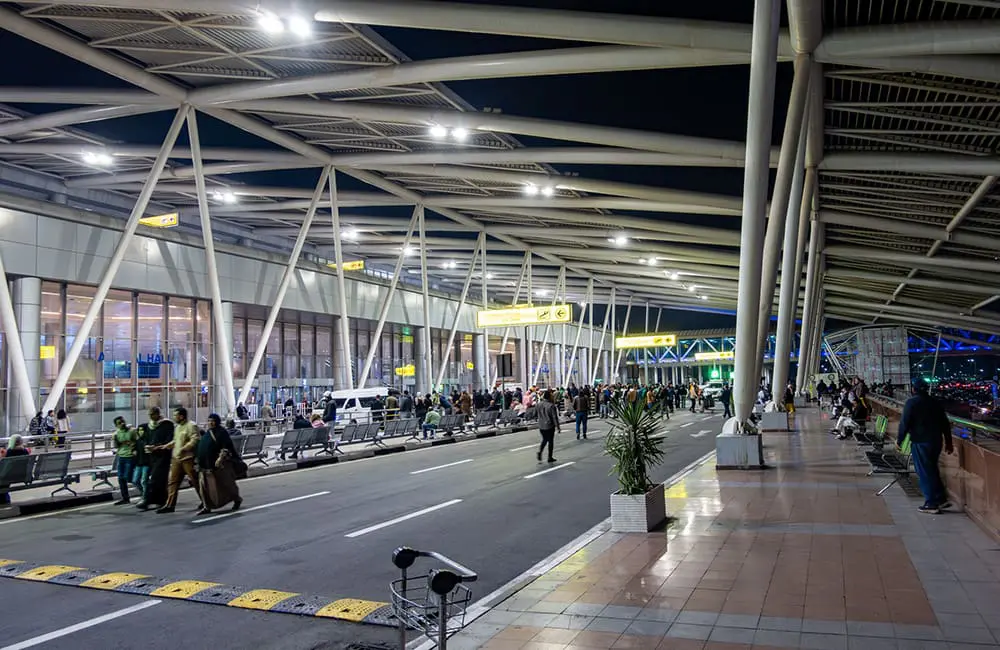
During the pilot trial, the digital option will be available alongside the existing paper visa-on-arrival, so travellers can use either without disruption.
Once the pilot concludes, the paper sticker will be phased out and the QR code will become the sole method of entry.
Australian and New Zealand passport holders are two of the 78 nationalities who currently qualify for a visa upon arrival or an Egypt e-visa. The new Digital Visa-on-Arrival System will provide a faster, more efficient and seamless arrival process.
How the Egypt e-visa works

Travellers can obtain their Visa QR Code through an official online portal, which will go live 48 hours ahead of the pilot; via a dedicated official mobile app; or self-service machines located in the arrival halls at Cairo International Airport.
The code can be generated before departure, mid-flight or right after landing, either by the traveller or on their behalf by a travel advisor. At the border, officers scan the code together with the passport, whether shown by email or as a printed copy from a kiosk.
Each code stays valid for 48 hours from the moment it is issued. Direct links to the portal and mobile app will be published ahead of launch.
What advisors need to know

The rollout will extend to the rest of Egypt’s airports in stages with the implementation dates for each location communicated in advance to airlines, travel advisors and the general public.
It’s timely as tour and cruise operators recommence Egypt itineraries after pressing pause during the widespread Middle East travel disruptions earlier this year, and the country continues to gain traction with Aussie travellers with more product available than ever before.

The Egyptian Tourism Authority (ETA) encourages airlines, tour operators, travel agencies and online travel platforms to share the details with their teams and customers ahead of the launch.
The tourism body said the new system reflects Egypt’s continued commitment to positioning itself as a destination that invests in smart, seamless and traveller-friendly experiences.
The Australian Government’s current travel advice for Egypt remains for travellers to exercise a high degree of caution amid Middle East tensions.
KARRYON UNPACKS: The ability for a travel advisor to generate a client’s QR code on their behalf, before departure or even mid-flight, takes friction out of an Egypt arrival that previously meant queuing for a paper sticker. With the pilot running both systems in parallel from 1 August 2026, there is a buffer period to get familiar before the QR code becomes the only entry option.