



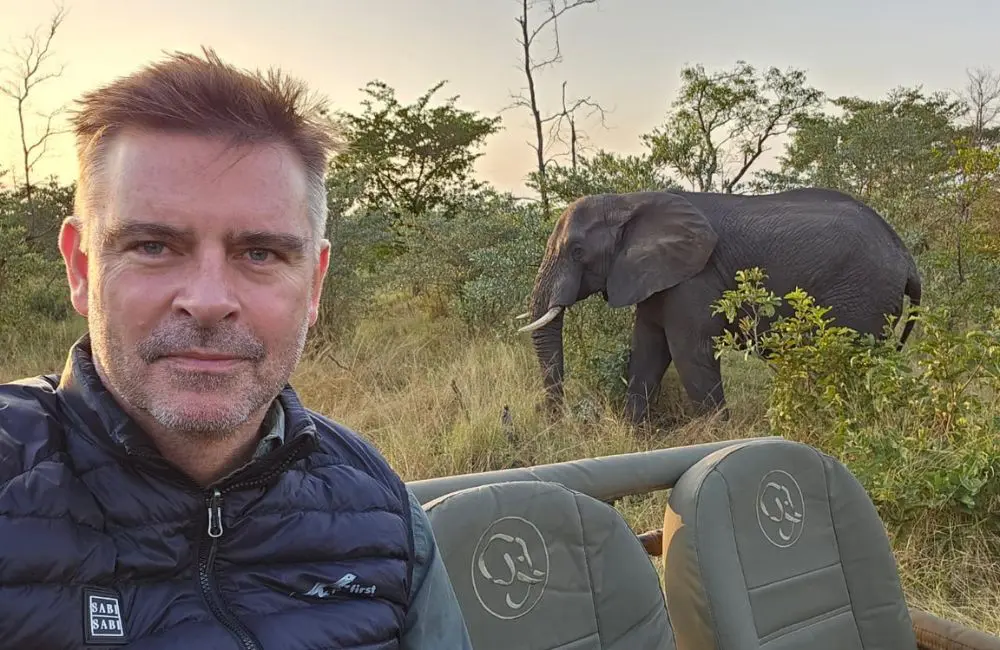
Sabi Sabi Collection marketing director Jacques Smit sat down with Karryon on his recent visit to Australia to discuss its new luxury lodge in the Greater Kruger region, its expansion plans, and combatting overtourism.
Luxury safari is having a resurgence not seen since before the pandemic.
Latest research from global market research company Dataintelo shows the global luxury safari market was valued at US$8.6 billion in 2025 and is projected to expand to US$14.2 billion by 2034.
It cites the surging demand from affluent millennial travellers seeking transformative cultural experiences, unprecedented investment in African wildlife conservation programs by luxury operators, technological innovations in booking platforms and the opening of ultra-premium camps for the boom.
One of the pioneers in the industry, Sabi Sabi, has been operating since 1979 – and it too continues to expand as demand surges – but it’s through companies like Sabi Sabi, where conservation is as important as its growth, that we can ensure an industry future generations will be proud of.
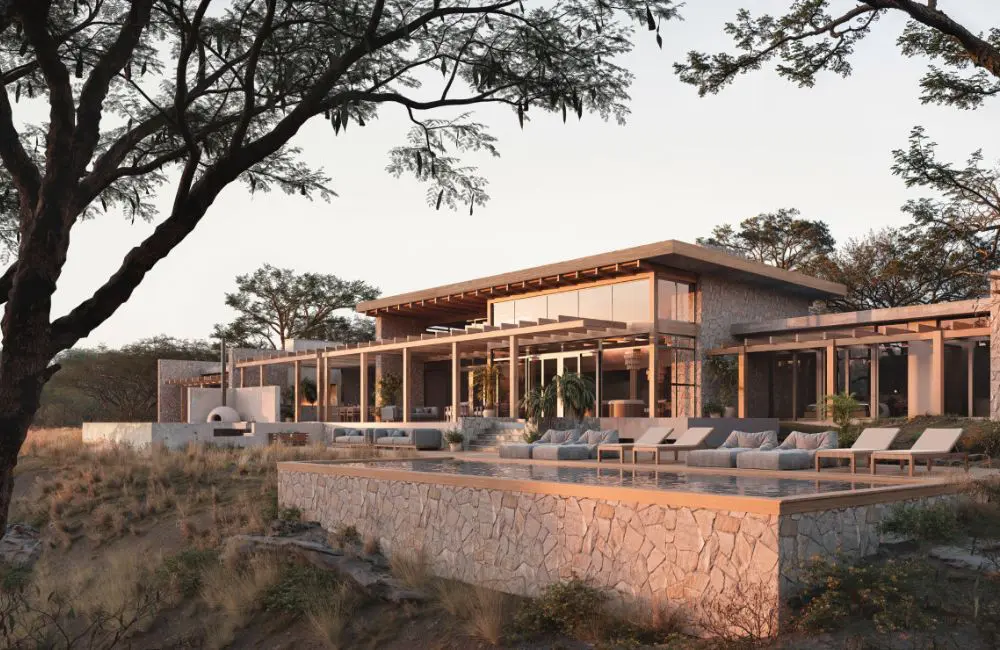
It’s no more evident than in its latest project, Sandringham Private Game Reserve, within the Greater Kruger region – a concept which came from a desire to restore an ex-hunting ground to a protected conservation area.
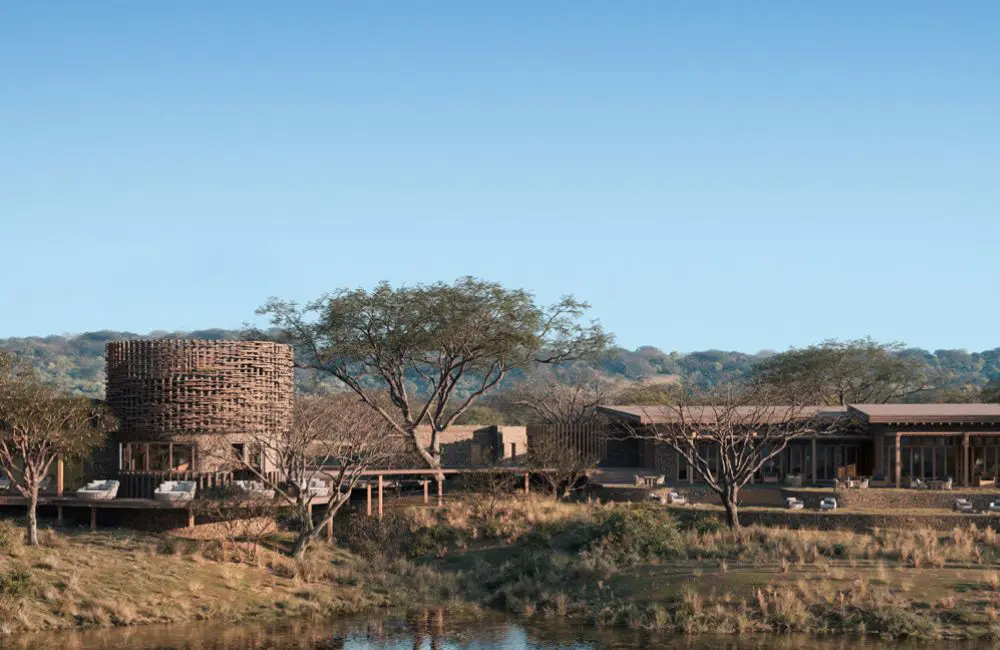
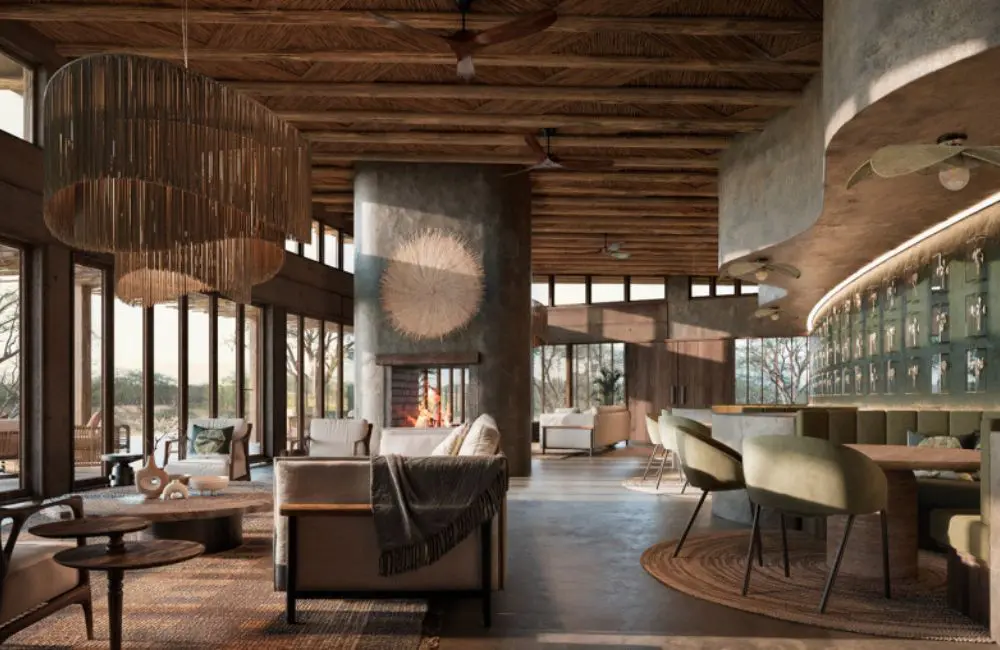
Opening its doors on August 1st 2026, the 5000-hectare site has gone from an area for poachers, to a place of protection for the wildlife that calls it home.
Marketing director Jacques Smit says when they first took over the land, it was nothing but dust with no wildlife in sight.
“We’ve spent years reintroducing ourselves as non-threatening, and now we have lion prides and cubs who sleep out in the open and don’t even lift their heads when we approach.
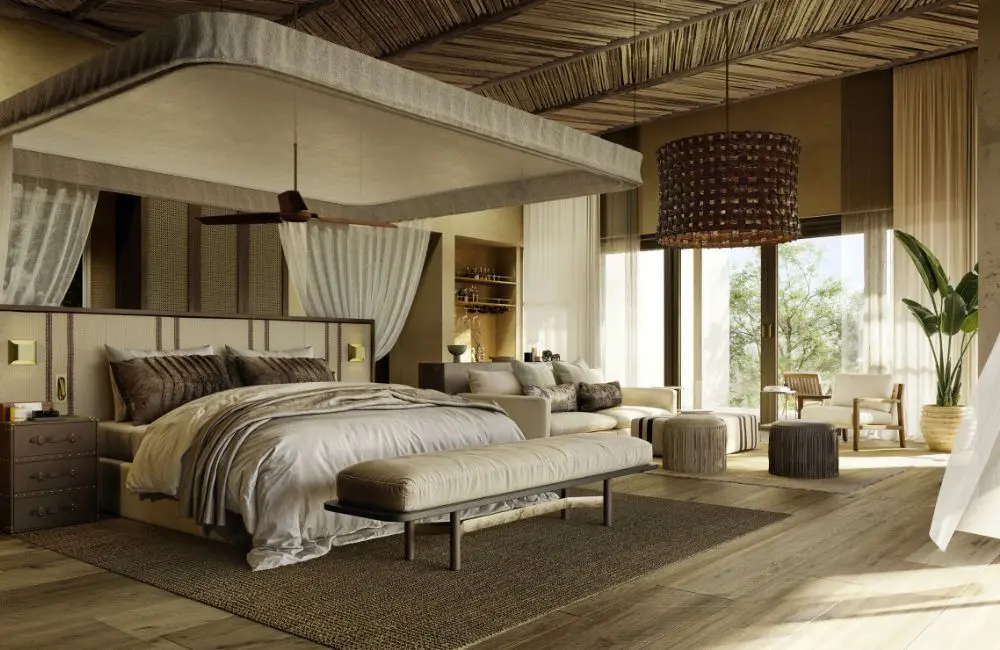
“What sets this camp apart is that it is two small camps offering an intimate experience, and they are built on the water, so if you imagine in Africa water represents so much life, and you have elephants and hippos right outside the suites.”
He says each suite also has a rooftop above the treeline, where you can sleep if you choose. The property also has a four-bedroom ‘home’ for multi-gen travel.
“You almost don’t need to go on safari if you don’t want to because of the size and unique personality of each camp, and we expect because of the design and nature of the camps, people will spend more time on site.”
The elephant in the room
“Overtourism is a reality, and sadly that footage that went viral last year highlighted some areas of concern, and there’s a handful of people crossing the line.”
That footage he’s referring to, which you can watch here, showed tourists jumping out of vehicles and rushing up to watch the wildebeest migration, the largest herd movement of animals on the planet, many blocking the animals’ path and pushing them back into dangerous waters.
Smit says the problem is because post-pandemic everyone wanted private vehicles, and “it’s not sustainable to keep putting them in the reserve because there are too many”.
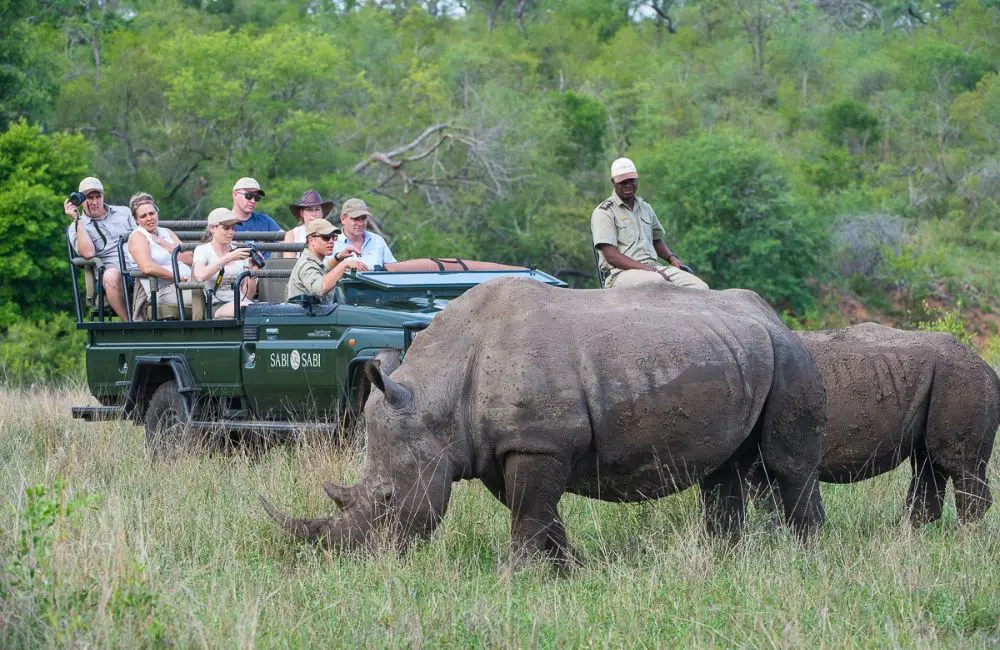
“At Sandringham we have 10 on the entire 5,000-hectare private reserve, and we will only put six out at a time and we’ve chosen to operate a low-density safari area and will keep an element of wilderness because of that.
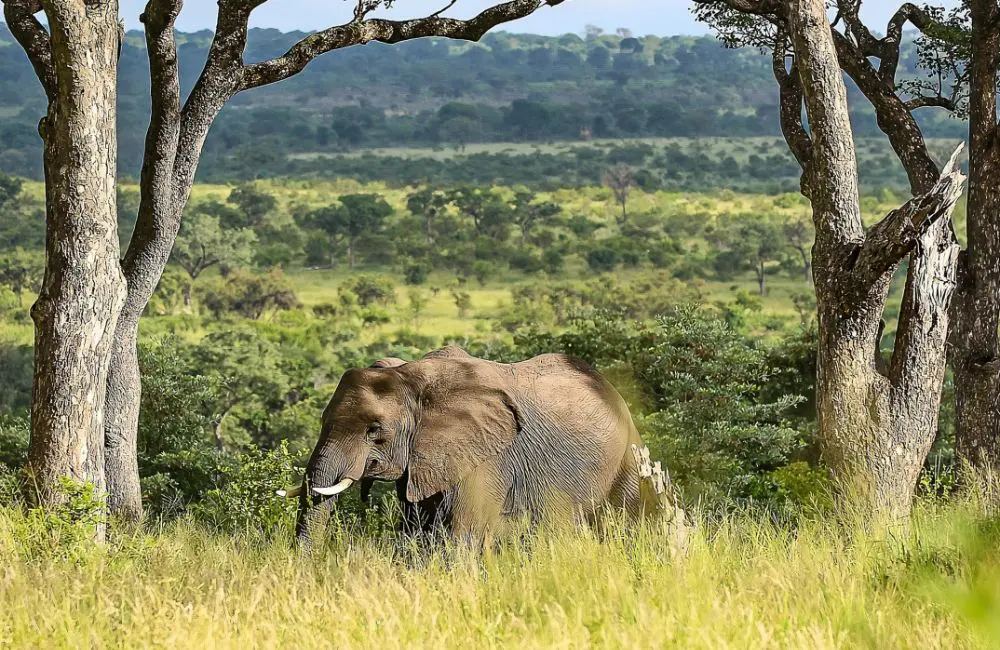
“When it comes to buffalo, elephant and rhino, there are only two vehicles per sighting. We are aware of our relationship and appreciative of the fact that the wildlife allow us to observe them, and if you cross that line then they move away.”
He says the onus is also on the traveller to do their homework.
“Do research before you come and only support businesses where the environment is the priority, and it funds communities; if we all do that, we are in a much better place.”
Looking to the future
“We’re always looking at opportunities, and I was doing that right before I flew out here to Australia,” says Smit.
“I’d love to venture into Botswana, Victoria Falls and East Africa, but only if it’s done the right way and with the right partners.
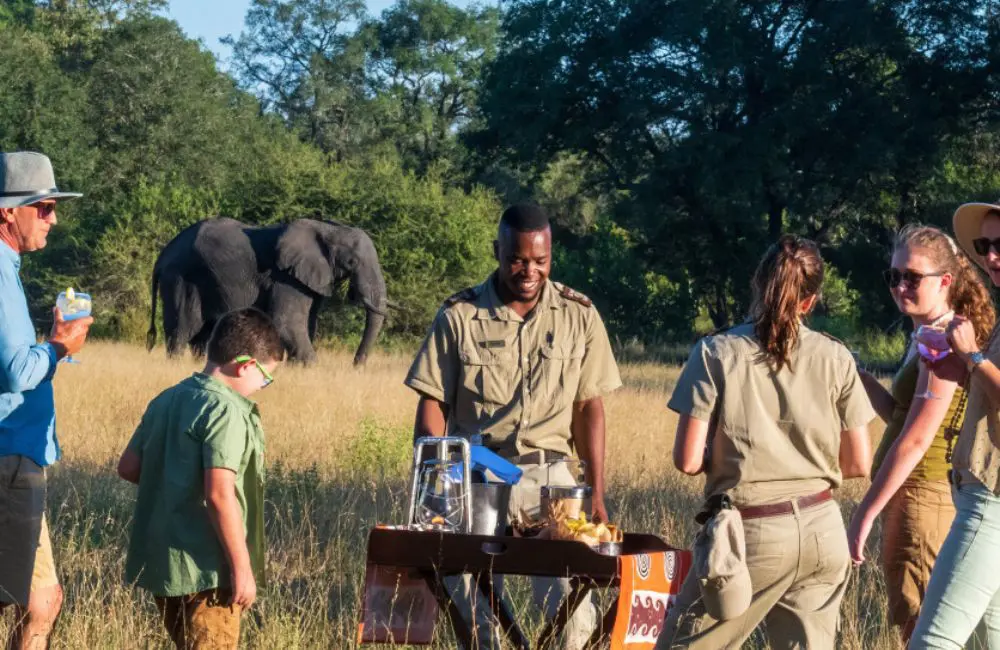
“We want to continue to offer an authentic and immersive experience where the lodge offers some natural interpretation or experience, and that doesn’t mean sterile city hotels; we want places that tell stories and where guests can learn about the culture and people.
“We also want places that complement each other; it’d be great to have a circuit where you can go to wineries, Cape Town and on safari and head to other parts of East Africa and stay at Sabi Sabi along the way.”
As to what the future of safari will look like?
Smit says it has been humbling to watch a new generation that is passionate about conservation.
“We are already seeing a younger generation in rural communities through the Sabi Sabi Foundation who want to get involved in hospitality and conservation.
“There are more and more rural female applicants for normally male positions, like rangers and trackers, so we’ll see a shift in dynamics of a younger generation understanding the value of tourism and they will do whatever they can to protect it.
“That’s where you want to be… when it comes to conservation, you want the next generation to be fiercely protective and then you know we’re in great hands going forward.”
For more information, visit Sabi Sabi.