
Highly experienced industry exec Lindy Andrews will lead Explora’s Asia Pacific trade support as the luxury expedition operator deepens its local presence with Nomade Unique Experiences.
Luxury expedition travel company Explora has appointed Lindy Andrews as Market Manager Asia Pacific, marking a more formal local presence for the brand in Australia through Sydney-based representation company Nomade Unique Experiences.
Explora runs all-inclusive lodges across Chile, Peru, Bolivia and Argentina, including in Patagonia, Atacama and the Sacred Valley.

The move gives the brand a dedicated regional structure for the Asia Pacific market with Andrews taking on the dual role of Explora Market Manager and Nomade Unique Experiences Account Director.
It also signals a sharper focus on trade engagement at a time when demand for more immersive, experience-led travel continues to shape luxury and expedition bookings.
Explora has partnered with Nomade Unique Experiences to establish Asia Pacific support offices, drawing on the company’s South American travel representation experience in the APAC market.
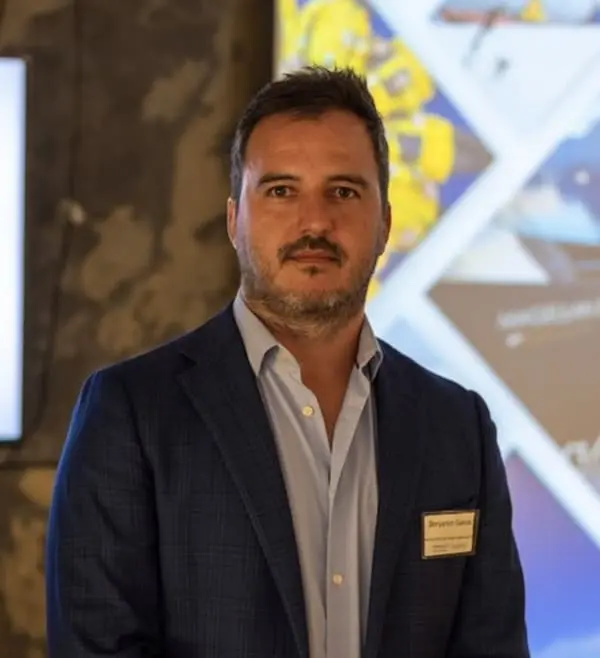
Effective 1 May 2026, the initiative will be led by Nomade Unique Experiences Managing Director Benjamin Garcia with offices on Australia’s east coast and in Asia.
The local setup will provide real-time regional assistance during business hours to travel advisors and wholesalers, helping address the time zone challenges experienced with Explora’s Chile-based reservations team.
Andrews will oversee regional strategy, operations and trade engagement with travel advisors across Asia Pacific.
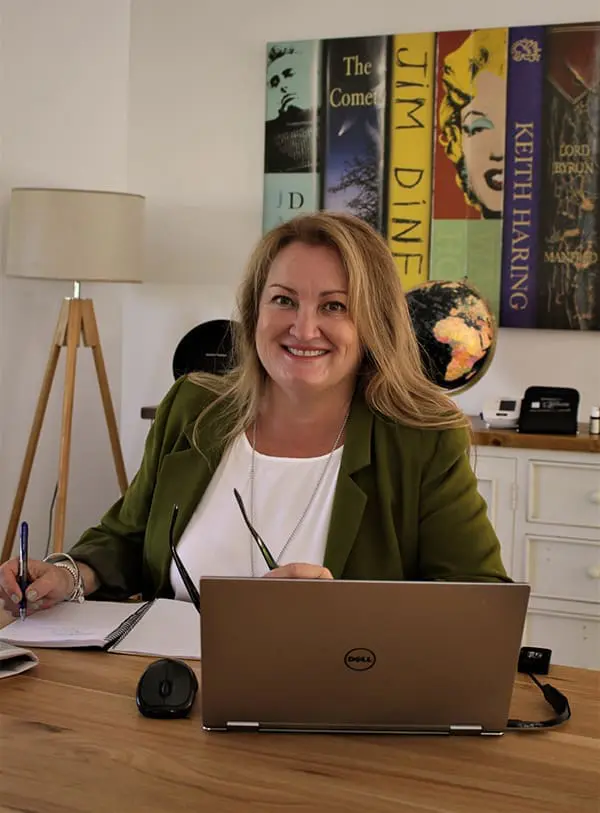
She brings more than 20 years’ experience across global partnerships and market development, with expertise spanning tourism, health and media through events and commercial relationships, including producing Karryon‘s Niche is Nice 2025 boutique travel roadshow.
For Australian travel advisors, the new structure is designed to provide more immediate support for complex, long-haul itineraries and destinations that often require deeper product knowledge.
On LinkedIn, Andrews said she looked forward to working with advisors to boost confidence about selling complex destinations such as Latin America and Antarctica.
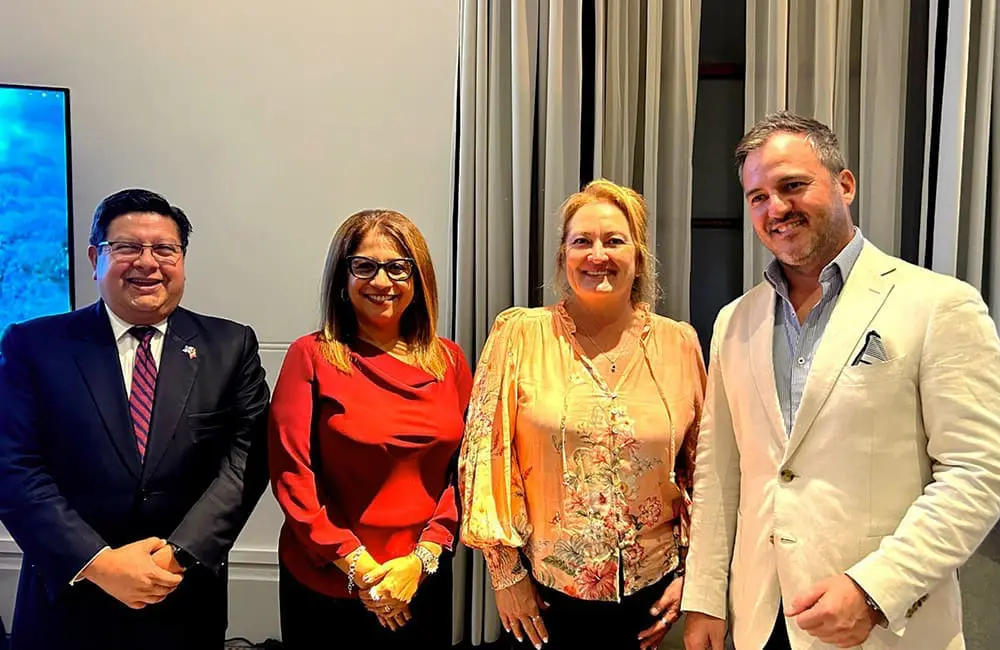
“Travellers are moving towards more immersive, experience-led journeys, but the gap between interest and confident selling is still real. That’s where the trade, and how we support it, becomes critical. Excited for what’s ahead,” she said.
Explora CEO Gonzalo Undurraga said the move reinforces the company’s commitment to travel professional partners across the region.
Garcia added: “Asia Pacific has become one of Explora’s fastest-growing markets and this investment ensures advisors receive faster, localised support.”