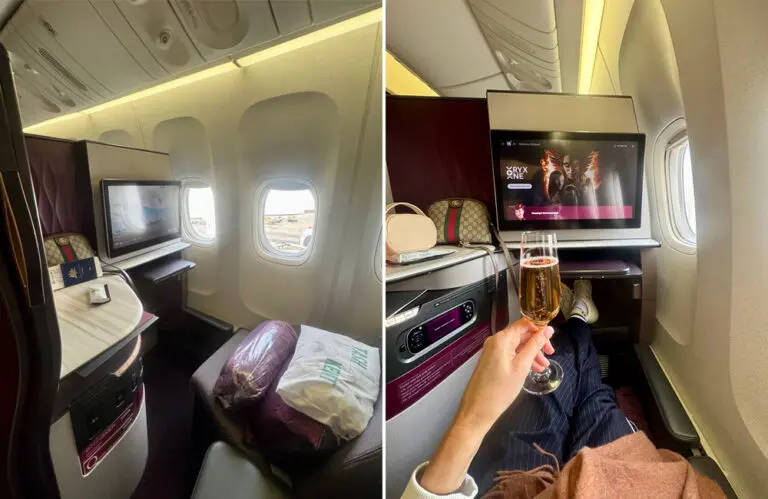

Planning South America? LATAM Airlines makes it easier than ever. With daily direct flights from Sydney to Santiago and the largest network across the continent, travellers can seamlessly explore South America with one airline.
1. A seamless start from Sydney
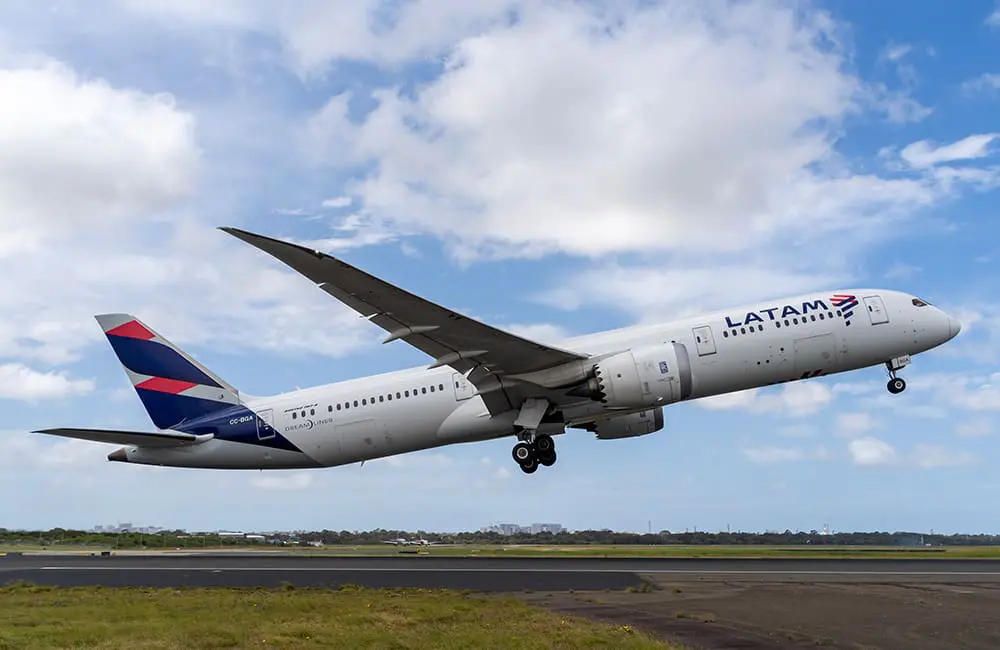
Aussies can fly nonstop from Sydney to Santiago to begin their holiday sooner with a direct flight to Santiago.
LATAM operates a direct Sydney–Santiago service in under 13 hours, offering increased capacity, comfort and convenience on its Boeing B787 Dreamliners straight to the South American gateway.
Daily direct flights from Sydney to Santiago mean travellers arrive into LATAM’s primary hub, making onward connections across South America simple and efficient.
2. One airline, endless links

Whether your clients are planning to visit one destination or five on the continent, LATAM makes it easy to explore South America on multi-country itineraries without switching airlines.
From Santiago, fly to more than 160 destinations in 28 countries across South America, including Peru, Brazil, Colombia and Ecuador, as well as standout attractions like Machu Picchu, Galápagos Islands and the Atacama Desert.
The recent fleet expansion announcement means ongoing investment in new Embraer aircraft will allow the airline to access smaller regional airports in Brazil and open up 35 extra destinations, so Aussie travellers can explore even more beyond the major cities.
3. Now onboarding Latin hospitality

The South American experience begins the moment you step onboard. Enjoy regional cuisine, South American wines, bilingual crew and warm Latin hospitality before you’ve even landed.
Passengers can enjoy real South American flavours on their flight from Sydney to Santiago, a standout point of difference on premium airlines flying out of Australia, along with attentive service and comfortable seats that elevate the overall onboard experience in Economy and Business class.

LATAM believes the flight should feel like the beginning of the holiday, so you’ll know your clients will embark on their journey fully immersed in their destination from the moment they step on board.
4. Why there’s never been a better time to fly LATAM

Clients will experience the LATAM difference firsthand with daily direct services from Sydney and a well-connected schedule for onward flights already in place.
The carrier continues to invest in the onboard experience for long-haul passengers from Australia to offer both comfort and convenience in the air with its innovative, B787 Dreamliners.

Clients can currently enjoy fast inflight Wi-Fi on Sydney services with further upgrades on their way, such as refreshed Business Suites and new Premium Comfort (Premium Economy) cabins due in 2027 and other enhanced onboard experiences rolling out on the expanded modern fleet.
5. One trip, memorable moments

From world-class food and wine to spectacular landscapes, wildlife and vibrant cities, South America offers extraordinary value and unforgettable experiences for every type of traveller. From Patagonia and Machu Picchu to the Galápagos Islands and vibrant cities, there’s something to inspire every traveller.
With LATAM’s extensive South American network, exploring multiple destinations in one trip is simple. LATAM also provides seamless connections to southern Chile and Argentina, the gateway to Antarctica’s growing fly-cruise market, making it easier than ever to experience one of the world’s most remarkable regions.
South America access for Aussies

Whether your clients are dreaming of hiking Patagonia, discovering Machu Picchu, cruising to Antarctica or experiencing the vibrant culture of Brazil, LATAM’s direct Sydney service and extensive South American network make planning the journey easier than ever. Start their next adventure with the airline that knows the continent best.
For more information, visit LATAM Airlines.
This article is brought to you by LATAM Airlines, in partnership with Sydney Airport.