




Fam trips look effortless from the outside. Transfers run on time. Schedules hold. The group gels. What you don’t see is the constant recalibration happening behind the scenes: the contingency plans, the quiet problem-solving, the emotional temperature checks, and the balancing act of being both host and human.
For Air Canada Marketing & Online Sales Manager Eunica Pineda, leading the Destination Canada Radical Ambassador fam meant managing that operational load while being part of something else unfolding in parallel. Alongside the schedules and logistics were moments that couldn’t be planned: conversations with locals, unexpected generosity, and connections that reshaped how Canada was experienced and understood.
Those moments, she tells Karryon, changed more than the mood of the group. “Before the trip, I would’ve sold Canada based on its iconic landscapes and must-see attractions,” Pineda says. “But now, I’d speak from a much deeper place. Canada isn’t just beautiful, it’s moving.”
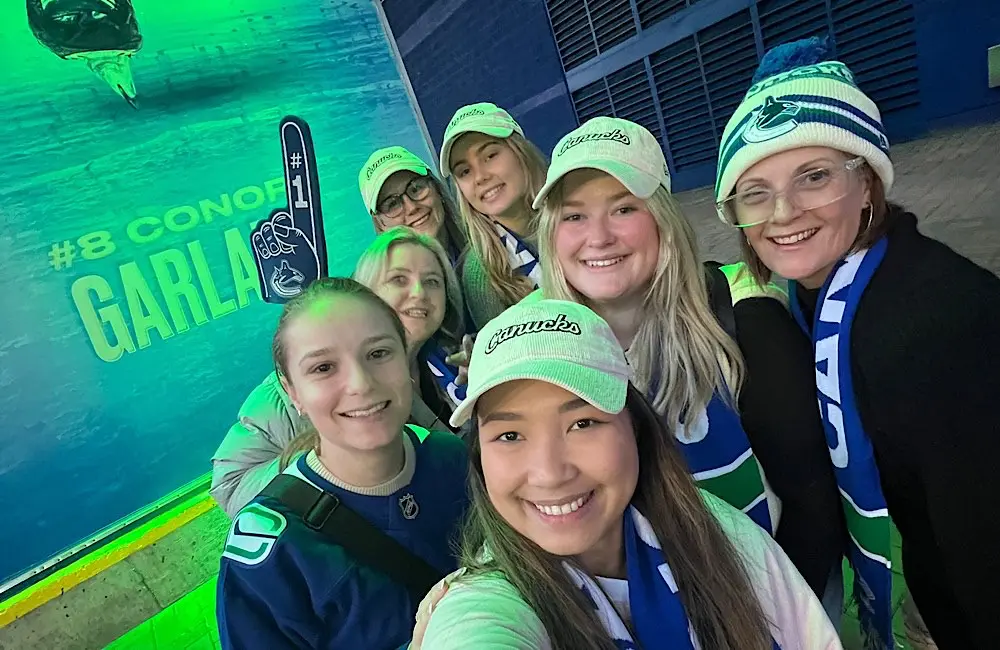
She points to the small, human encounters that left the strongest impression, including a spontaneous visit to an apple orchard along the Kettle Valley Trail.
“While walking the Kettle Valley Trail in Penticton, we stumbled upon the most beautiful apple orchard. The owner invited us in and shared the story behind her land. She even gave us apples to take home.
“It was such a simple, genuine moment, but it left a lasting impression,” she says. “That encounter made me feel more connected to Canada, not just the place, but the people who call it home.”

The experience also reinforced a lesson she now carries into both hosting and selling travel. “Travel is about so much more than just seeing new places, it’s about connection,” Pineda tells Karryon. “My biggest takeaway is to stay open to spontaneity.”
“Leave room in your itinerary for the unplanned. That’s where the magic happens.”
In this behind-the-scenes Q&A, Pineda pulls back the curtain on what it really takes to lead a modern fam, from staying calm when things go sideways to balancing structure with spontaneity, and why the moments you don’t schedule can matter just as much as the ones you do.
When you lead a fam, do you feel a different kind of responsibility during the trip, and how do you balance being part of the fun while still serving as the professional anchor of the group?
The key to being a good host is staying organised, being prepared for anything and keeping clear communication with all the partners involved. So yes, I felt a sense of responsibility but also wanted to be a part of the group, not just the person in charge.
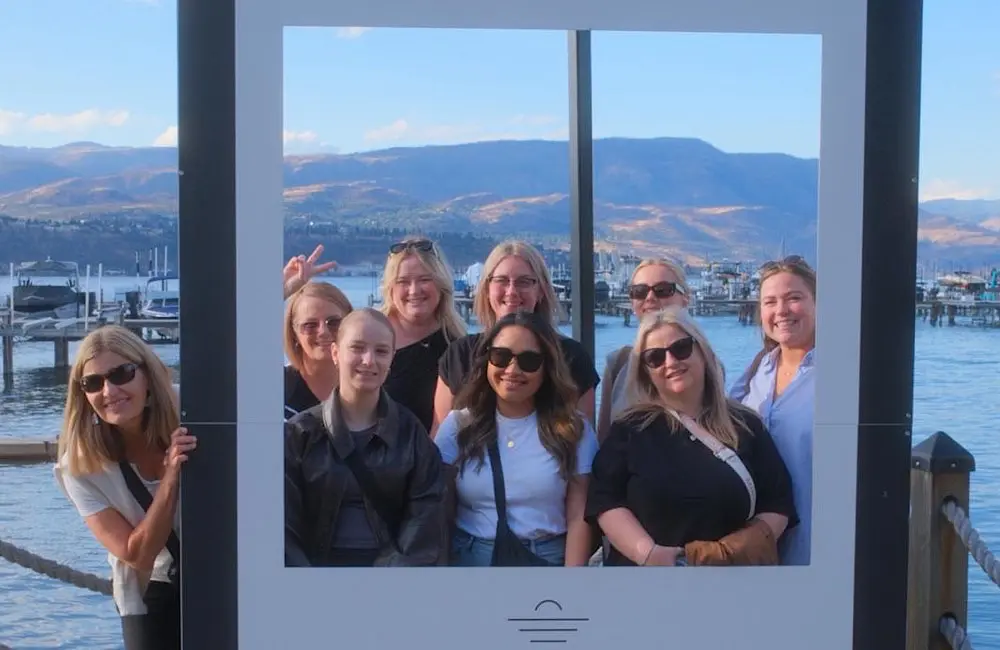
I tell everyone that I felt like the seventh Radical Ambassador because I wanted to join in, create content alongside them and be as involved as they were. That way it felt like we were all in it together and they could feel comfortable and relaxed around me.
Every fam has its unexpected moments. What do you do when things don’t go according to plan? Can you share an example of something you had to quickly problem-solve behind the scenes?
I expected surprises but didn’t think it would happen immediately. On departure day, the Canada government’s ETA system crashed, which is a very rare event, preventing most of the group from checking in.
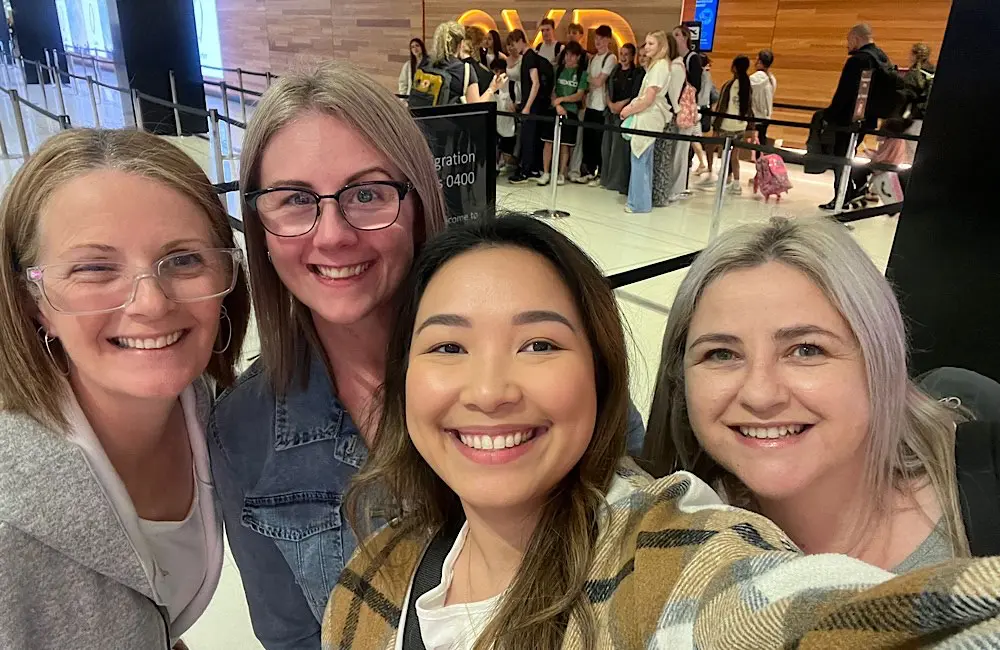
In that moment, the most important thing was to stay calm and work closely with the airport and sales support team. We quickly lined up Plan B and Plan C, stayed optimistic and made sure everyone involved was in constant communication. Behind the scenes, it was all about problem-solving quietly and efficiently so the ambassadors didn’t feel any stress or panic. By working as a team, we were able to get everyone through to our destination the same day with minimal disruption.
Does what happen on a fam really stay on a fam anymore?
Our fam was centred around content creation and storytelling, so we were all open about sharing our experiences online. We even got Canada-inspired tattoos, and that definitely didn’t stay within the group. The whole industry knows about it by now.

But there were also some special moments that are just for us, like sharing personal stories inside a tent while waiting for the aurora to appear, or laughing hysterically because we couldn’t agree on the UNO rules. Those are the memories we’ll always keep close.
How do you manage different personalities, energy levels, and expectations within one group?
I found that having regular informal one-on-one check-ins throughout the fam was important. I wanted to make sure everyone felt comfortable and supported, so I tried to be that steady support person they could lean on if they needed anything.
I was very mindful that some people loved staying out late while others preferred to head back and recharge. Building those individual connections helped me gauge how each person was feeling, make small adjustments along the way and ensure the whole group felt relaxed, included and looked after.
What’s your strategy for keeping everyone on schedule while making sure no one feels rushed or pressured?
It was really about keeping everyone on the same page from the very start. I maintained constant communication, reminding the group the day before what the next day looked like.
Everyone was already pretty good with timekeeping, so nothing felt rushed or pressured. It also helped that the tourism partners shared the full schedule well in advance, even before departure, which gave everyone time to set their expectations.
After this experience, how do you think fam trips influence the way agents sell and storytell Canada to their clients?
Fam trips transform how agents sell Canada by turning theory into lived experience. Seeing destinations firsthand enables them to speak with so much more confidence and authenticity.
Instead of describing a product, they share real stories and emotions from their own journey, which makes their recommendations more compelling and personal. It also helps manage client expectations because they’ve experienced the logistics, the weather, the pacing and the unique quirks themselves.
Hosting a fam can be intense with long days, logistics and constant movement. How do you stay grounded and energised throughout the trip?
Honestly, coffee is a must, and it helps that Canada has so many great specialty cafes these days.
Beyond that, staying grounded comes down to looking after yourself in small but consistent ways. The days can be long and you’re constantly on, so I make a point of taking short breaks whenever I can, even if it’s just five minutes to breathe or reset. I also try to stay present and enjoy the destination myself. When you focus on the experience and not just the logistics, it keeps your energy up and reminds you why you’re there. Leaning on the partners and the team helps a lot too. Knowing you don’t have to carry everything alone makes it easier to stay calm, grounded and genuinely engaged.
How did the group surprise you? Did their dynamic teach you anything new about travel, leadership, or connection?
I was surprised by how quickly the group connected, even though they came from different agencies and regions. Everyone brought unique personalities and selling styles, yet shared the same passion for travel, which was inspiring.
It reinforced for me that leadership isn’t about having all the answers. It’s about giving people space to be themselves and letting the group’s energy flow. What amazed me most was how a destination turned strangers into friends so quickly. It figuratively and quite literally left a mark on all of us.