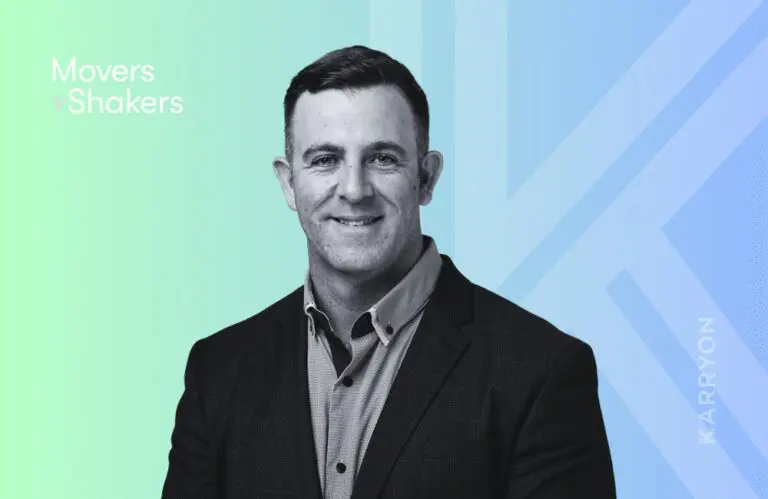





Jaclyn Liebl Cote runs a company that has been moving people around the world for more than a century. Yet when she talks about the future of travel, she doesn’t start with technology or market share. She starts with the traveller.
That instinct sits behind the way the Collette President and CEO describes her ambition for the 108‑year‑old touring company. She wants Collette to become the “iPhone of travel”. Not because travel should feel digital, but because she wants Collette to become the name people instinctively think of when small‑group touring comes up. Behind that ambition sits a simple promise. Collette takes care of the planning, the logistics and the coordination, allowing travellers to arrive ready to experience a place rather than organise it.
During a recent visit to Sydney, Liebl Cote spoke about that ambition in the same breath as geopolitics and workplace culture. It is the nature of running a global touring company. Collette plans journeys years ahead, yet the world those journeys move through can change overnight.
“You can’t run a company like ours assuming the way things worked ten years ago will still work ten years from now,” she told Karryon. “Travel moves too quickly for that.”
Inside Collette, change tends to happen through continual adjustment. Teams revisit how things work, refine the product and examine long‑standing practices before they settle into habit. The aim is to keep the company responsive to the way travel and travellers continue to evolve.
How is Collette evolving its touring model?
One of the clearest shifts during Liebl Cote’s tenure is the expansion of Collette’s small‑group touring portfolio.
The company set a target of 47 itineraries in its Explorations range by 2025. It has already surpassed that mark. Today, the programme includes more than 60 itineraries across multiple regions.
The shift reflects what advisors and travellers are asking for. Smaller groups allow tours to move beyond the primary gateways into secondary cities, local communities and experiences that feel less scripted.
“Small group touring isn’t about taking a classic tour and shrinking it,” Liebl Cote said. “If that’s all you do, there’s no value. The itinerary itself has to change.”
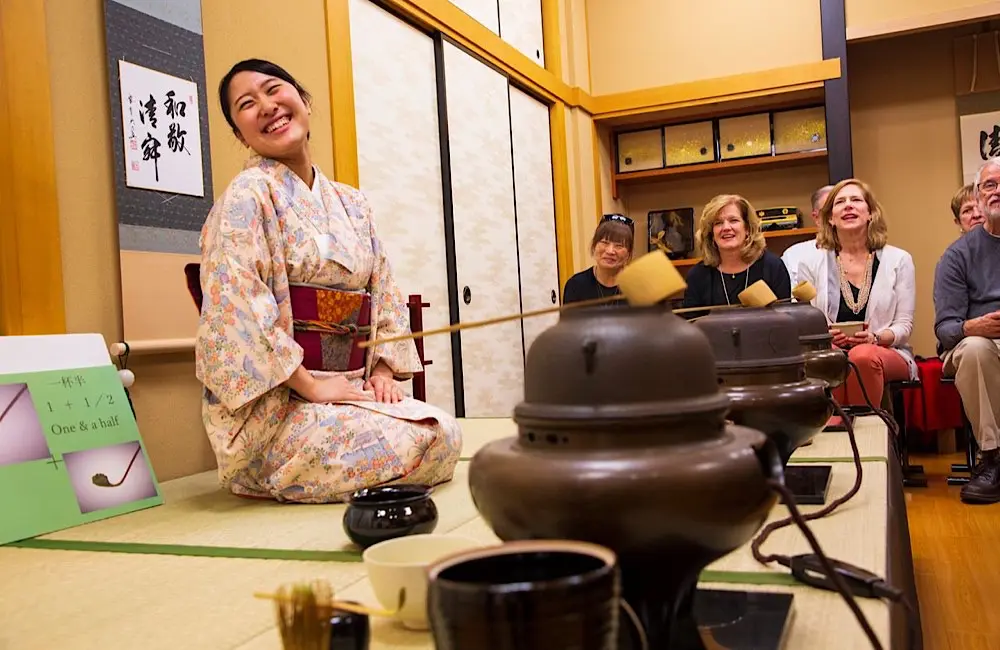
“We have a global team of designers who create our tours and live in the destinations themselves. That local insight shapes everything on the tour from pacing to access to the kinds of people-to-people experiences travellers are looking for today.”
“Travellers want more meaningful time in the places they visit,” Leibl-Cote continued. “Our approach to pacing is rooted in an experience-rich design philosophy that prioritises connection, culture, and moments you simply couldn’t replicate travelling on your own.”
Behind the scenes, product designers work alongside Collette’s corporate citizenship team to identify social enterprises and local organisations that can be integrated into itineraries.
The aim is simple: keep tourism spending within the communities travellers visit and create moments people talk about long after the trip ends.
“We want travellers to come home with stories about the people they met,” she said.
How does the company navigate global uncertainty?
Global touring runs on long timelines. Collette is already designing programmes scheduled for 2027 and 2028.
That horizon sits alongside a reality where geopolitics can alter travel flows in weeks.
China has returned to internal discussions as a potential destination for Australian travellers following the pandemic pause, Liebl Cote said. At the same time, the company is watching developments across West Asia, where shifting security dynamics can quickly affect routing and traveller confidence, while also continuing to monitor sentiment around travel to the United States.
“The desire to travel doesn’t disappear when the world gets complicated,” Liebl Cote said. “People still want to see the world. They’re simply more thoughtful about where they go and how they go.”
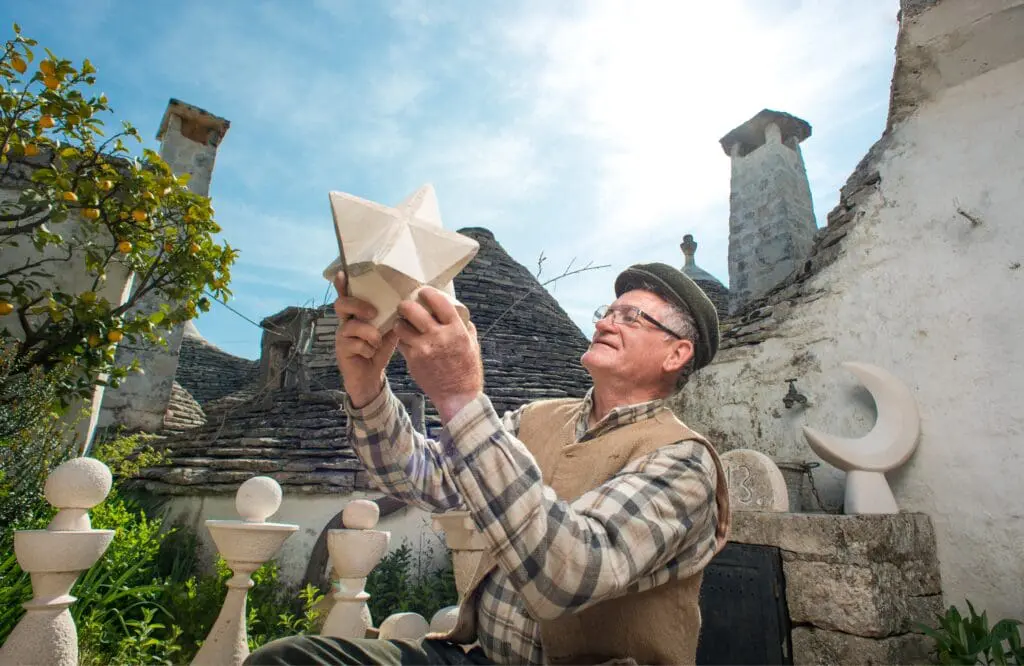
Operational flexibility sits at the centre of Collette’s planning. Crisis management teams are ready to respond if airspace closures or security concerns disrupt an itinerary.
“In those moments you’re not dealing with theory,” she said. “You’re dealing with real travellers who need answers.”
What kind of workplace culture supports that growth?
Inside Collette, workplace structures have evolved alongside the product.
The company operates a hybrid model with employees spending roughly 60 per cent of their time in the office while allowing some roles to remain fully remote. Liebl Cote describes the approach as building “flexibility within flexibility”.
Parental leave can be structured in different ways depending on the needs of employees. Fathers, for example, can spread leave across several weeks rather than taking it all at once.
“You don’t have to choose,” Liebl Cote said. “You can build a career and still have a life.”
Her approach to hiring is similarly direct.
“We hire the best person for the role,” she said. “What I’m seeing more now is women showing up more confidently, putting themselves forward more visibly and being open to mentorship that helps them grow faster.”
What does leadership look like in a multi-generation company?
Liebl Cote stepped into a business now in its third generation of family leadership, one that has grown from a single touring operation into a global company operating across multiple continents.
Her focus today is understanding how every part of that system works and where it can evolve.
“I’m learning all the time,” she said.
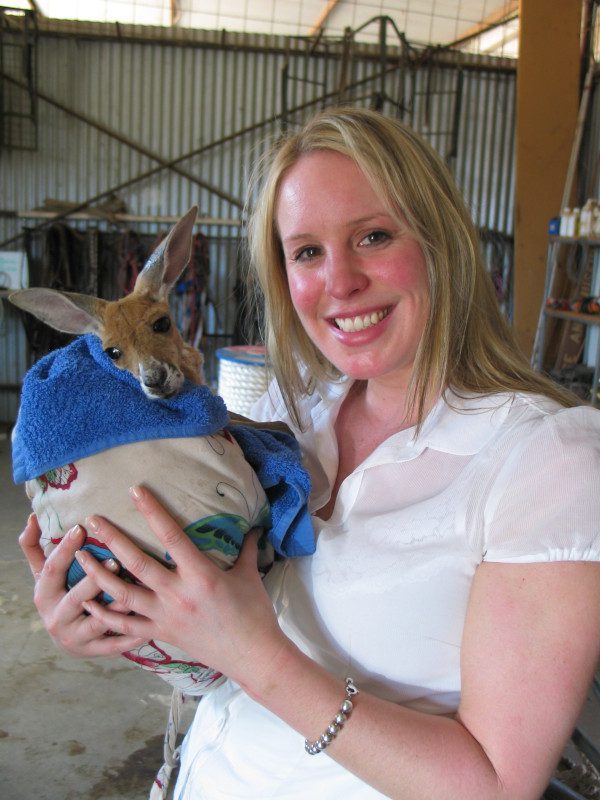
That curiosity has drawn her deeper into areas such as data analytics, technology infrastructure and customer experience, working alongside specialists across the organisation to understand how those pieces shape the traveller journey.
Some of the work is structural. Policies written decades ago are revisited. Processes are refined as the company grows.
“You can’t assume the way something has always been done is still the best way to do it,” she said.
Ask Liebl Cote what success ultimately looks like and she returns to the same idea that runs through the company’s strategy.
“I want us to be the iPhone of travel,” she said.
Travel has always been about how people experience the world. Sometimes that means designing the systems that make those journeys possible. Sometimes it means stepping into a place where the guide knows the market stallholders, the stories stretch long into dinner, and the destination stops feeling distant.
For Liebl Cote, both sides of that equation matter: the people working inside Collette who shape those journeys and the travellers who arrive ready to experience them.
When the balance works, the logistics fade into the background and the world opens up.
That, she believes, is what guided travel should do.