


A savvy traveller is one who knows how to improve their in-flight comfort, is skilled at getting more bang for every buck, and knows that flying via China is the best way to get to Europe in 2026. The Silk Skyway offers the savviest of travellers daily access to Europe from Sydney Airport, via Beijing, Shanghai, and Guangzhou.
You’ve heard of the Silk Skyway by now. Akin to the importance of the old Silk Road, the Silk Skyway is Sydney Airport’s clever moniker for the value-laden flight routes from Sydney to Europe with Air China, China Eastern, and China Southern.
Savvy sightseers

What makes someone savvy enough to choose the Silk Skyway to travel to Europe via China? It’s not only the affordable airfares (though they help). It’s also the perks all three airlines offer, including free transit accommodation and complimentary transit tours.
Travelling via China is hassle-free, too. Gone are the days of a drab embassy visit and dropping cash you could have spent on more Jianbing (yummy pancakes) at the Great Wall of China, because Australian passport holders automatically get a 30-day visa-free travel policy for transit and short stays.
Why Europe via China makes sense
Europe is closer than you think. Just look at these sample July flight times along the Silk Skyway to see:
China Southern
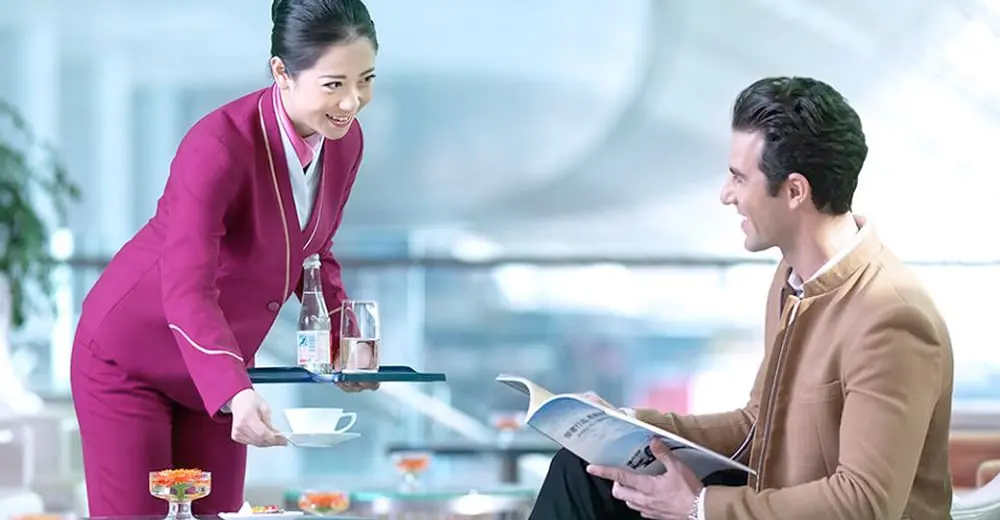
One of the fastest routes to Europe is with China Southern, where layovers are typically under five hours, and sometimes as short as 80 minutes.
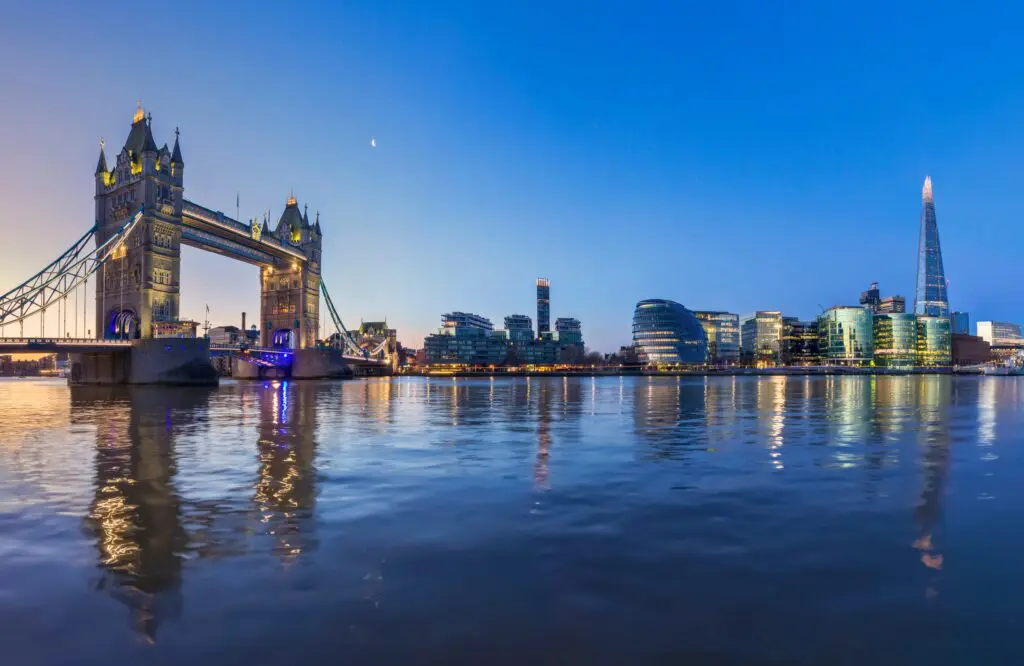
Let’s say your clients are heading to London. China Southern flies to London Gatwick via Guangzhou; a 23- to 25-hour journey. They’ll depart Sydney at the reasonable afternoon timeslot of 2:15pm. Ideal for Sydneysiders and regional New South Wales travellers as they’ll save on Sydney hotel costs.
After a flight time of around 10 hours, they’ll have three hours to stretch their legs at Guangzhou Baiyun International Airport before boarding their final leg to Gatwick.
Arriving at 6:30am, it’s easy to kickstart the day’s tour (after dropping off their bags) or grab a full English breakfast in a nearby café.
The return flights from Gatwick are ideally timed, departing at 11am with a two-hour layover in Guangzhou to break the journey before landing in Sydney at 7:25pm.
China Southern’s Sydney to Amsterdam route is only a 22-hour journey on the return to Sydney; 24 hours on the way to the canals, tulips, and museums.
China Southern also conveniently flies to London Heathrow as well as other top European hubs, such as Paris, Frankfurt, Madrid, Budapest, Istanbul, Belgrade, and Moscow.
Air China
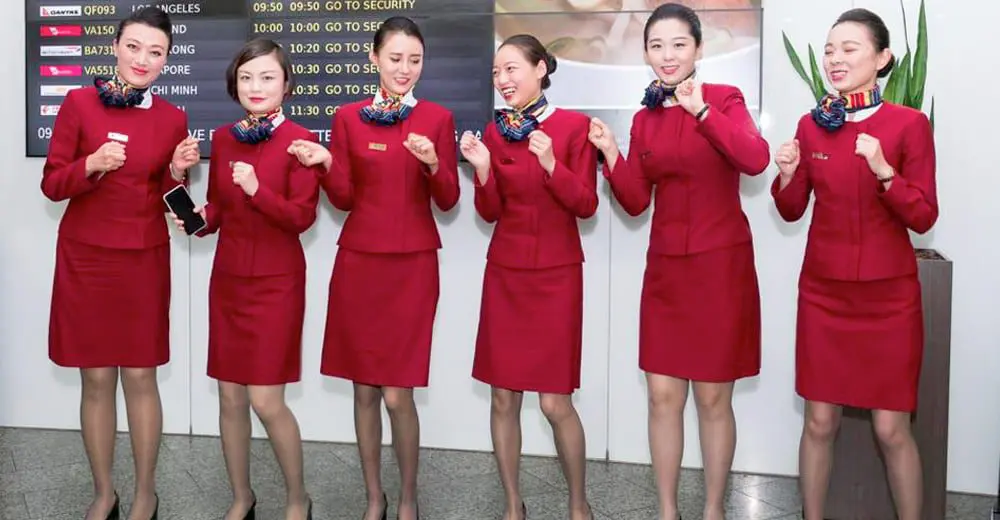
For travel to Europe via Beijing, most Air China flights have a longer layover (around eight hours), allowing your clients to take advantage of the complimentary transit tours to the Great Wall of China or Beijing city. It’s an appealing add-on for travellers seeking additional value or who prefer a proper break between legs.
For travel to London Heathrow, Air China departs Sydney Airport at 7:40pm, meaning vacation day-strapped clients can head to the airport straight from work.
The layover in Beijing Capital Airport is just over eight hours, automatically qualifying it for the complimentary transit tours. After seeing the sights (admission fees included), they’ll return refreshed to the airport for leg two, landing at Heathrow at 5:40pm. Perfect for a traditional pub dinner and Thames walk before hitting the proverbial hay.
On the return leg, your clients will depart London at 10:40pm, ensuring they maximise their touring time, arriving in Sydney at a reasonable 2:50pm.
Air China is also one of the most connected carriers for Europe-bound travellers, flying to many popular ports, including Paris, Athens, Frankfurt, Rome, Brussels, Barcelona and Vienna, just to name a few.
China Eastern
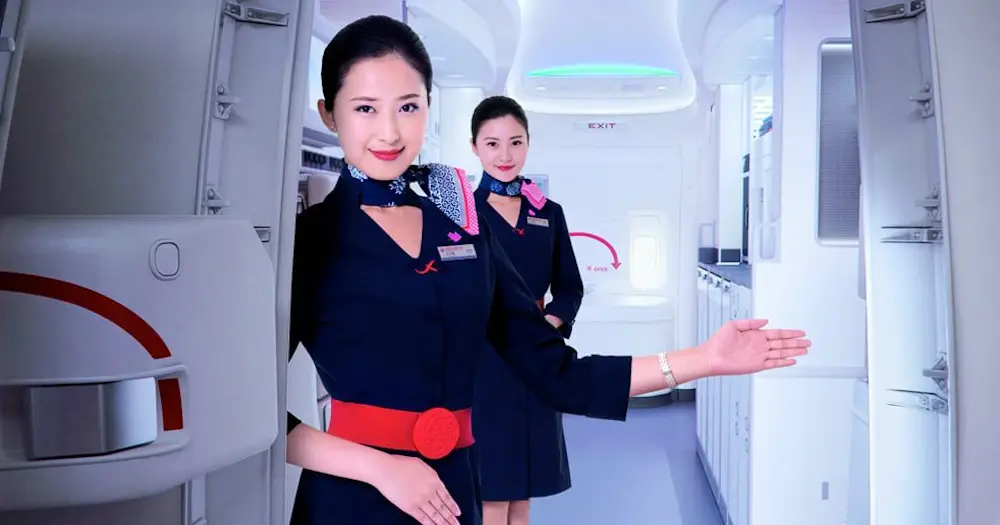
Travel to Paris with China Eastern is via Shanghai. Departing Sydney Airport at 11am, there’s a 4.5-hour layover in Pudong International Airport, landing at Charles de Gaulle Airport the following morning at 6:30am. Whichmeans croissants for breakfast are definitely happening! Especially with the ease of reaching central Paris via the Metro.
The return flight departs Paris at 9:20pm, again affording a full day of travel before a similar layover time in Pudong.
China Eastern also jets Euro-bound passengers to London Heathrow and Gatwick, Amsterdam, Frankfurt, Rome, Venice, Madrid, Barcelona, Budapest, Stockholm, Copenhagen, Geneva, Zurich, Alamaty, Moscow, Kazan and Istanbul, and adding Tbilisi (from 15 July) and Dublin (from 20 July).
China’s whizz-bang airports
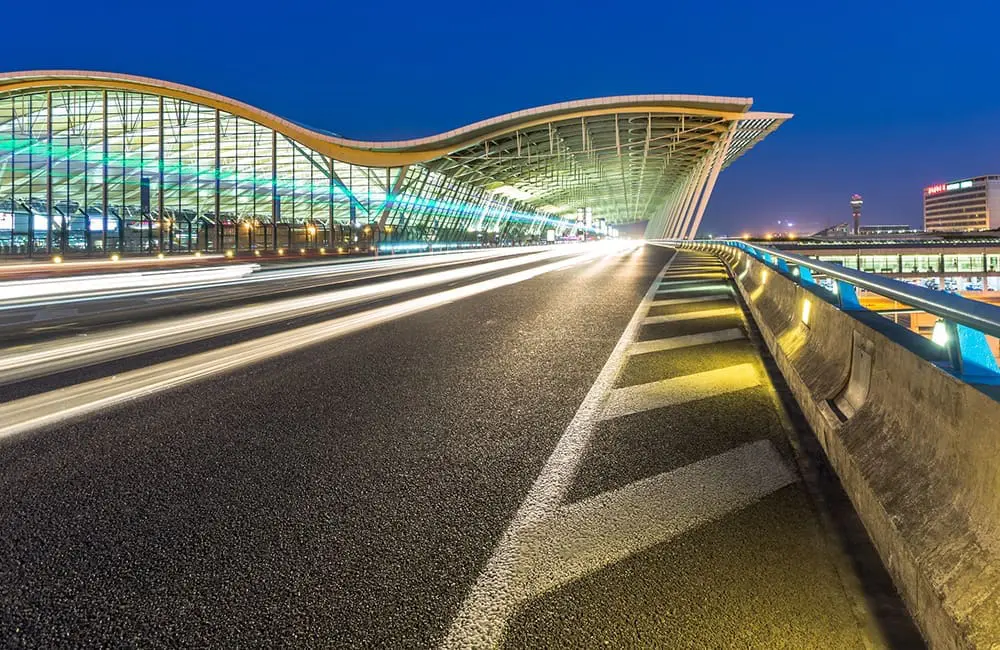
It wasn’t too long ago that China’s airports had a reputation for being chaotic, bland, and with limited infrastructure that invoked delays of epic proportions.
In 2026, the opposite is true, with the main airports recognised for their modern, technologically advanced design, efficient, spacious terminals, and high-speed rail links.
Beijing
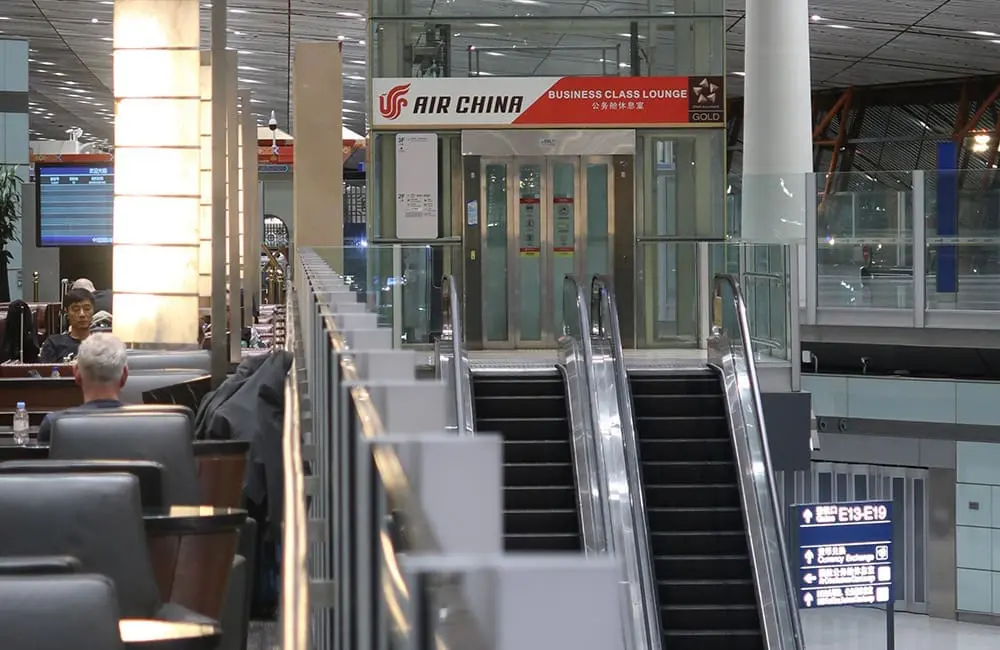
The dragon-inspired design of Beijing Capital Airport (PEK) invokes awe. Only 32 kilometres from the city centre, there are three terminals, including Terminal 3, one of the world’s largest.
Visitors enjoy free Wi-Fi, duty-free shops, and a selection of Chinese and familiar international chains, like Starbucks, Pizza Hut, and Costa Coffee.
The Beijing Express Train gets travellers to Beijing landmarks in under 40 minutes.
Shanghai
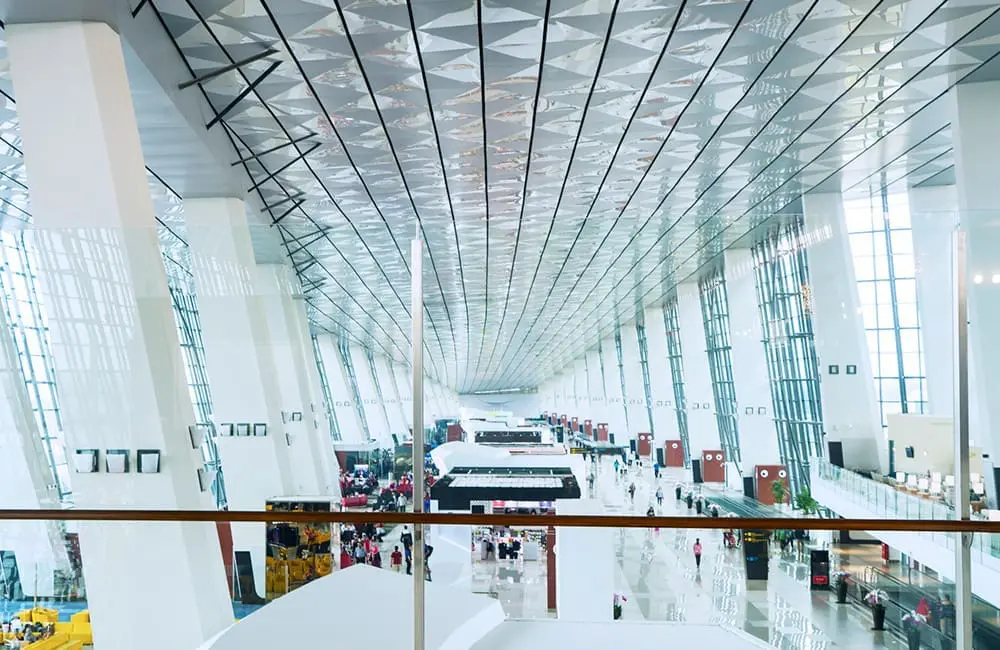
The free 24-hour shower rooms are a popular facility at Pudong International Airport (PVG), a massive terminal known for its efficiency and cleanliness. The 1,000-plus seats in the designated free quiet rest areas are a win for long-haul travellers. Pudong’s dining options include Chinese staples (like dumplings and noodles) and Western fare.
If time permits, taking the Maglev high-speed train to the Shanghai Metro is worth it for the thrill of covering 30 kms in only eight minutes.
Guangzhou
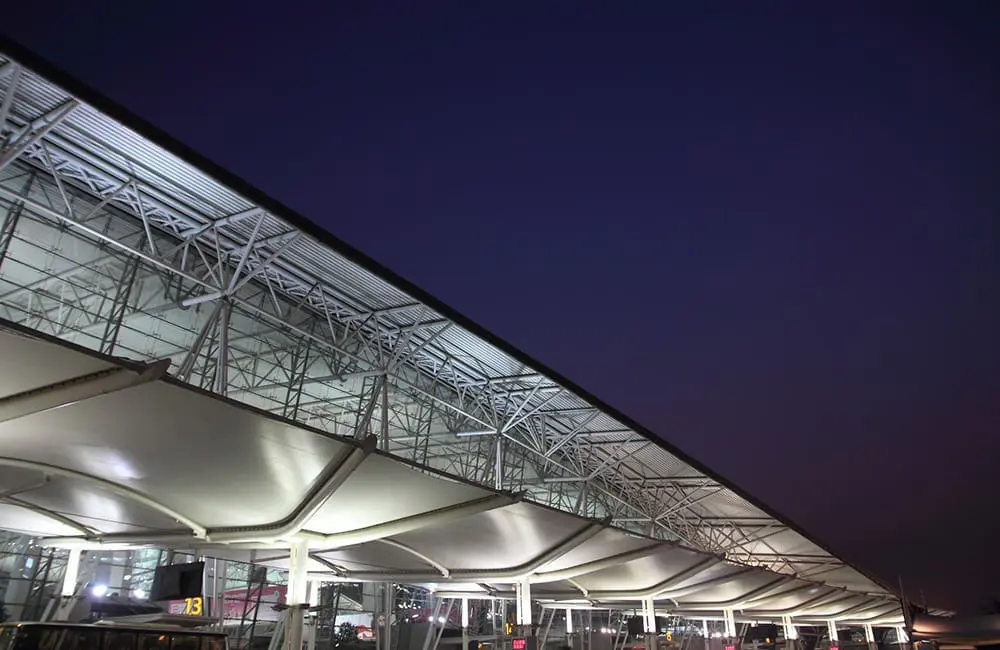
One of the country’s busiest airports, Guangzhou Beiyun International Airport (CAN) is China Southern’s hub. Massive, modern, and high-tech, the four-storey building features self-check-in kiosks and smart security easing connecting flight times.
Quiet zones, sleeping pods, charging stations, free Wi-Fi, and Chinese and Western dining support a comfortable layover. The Metro departs the airport for Haibang station, with further connections to over 300 other Metro stops.
Learn more
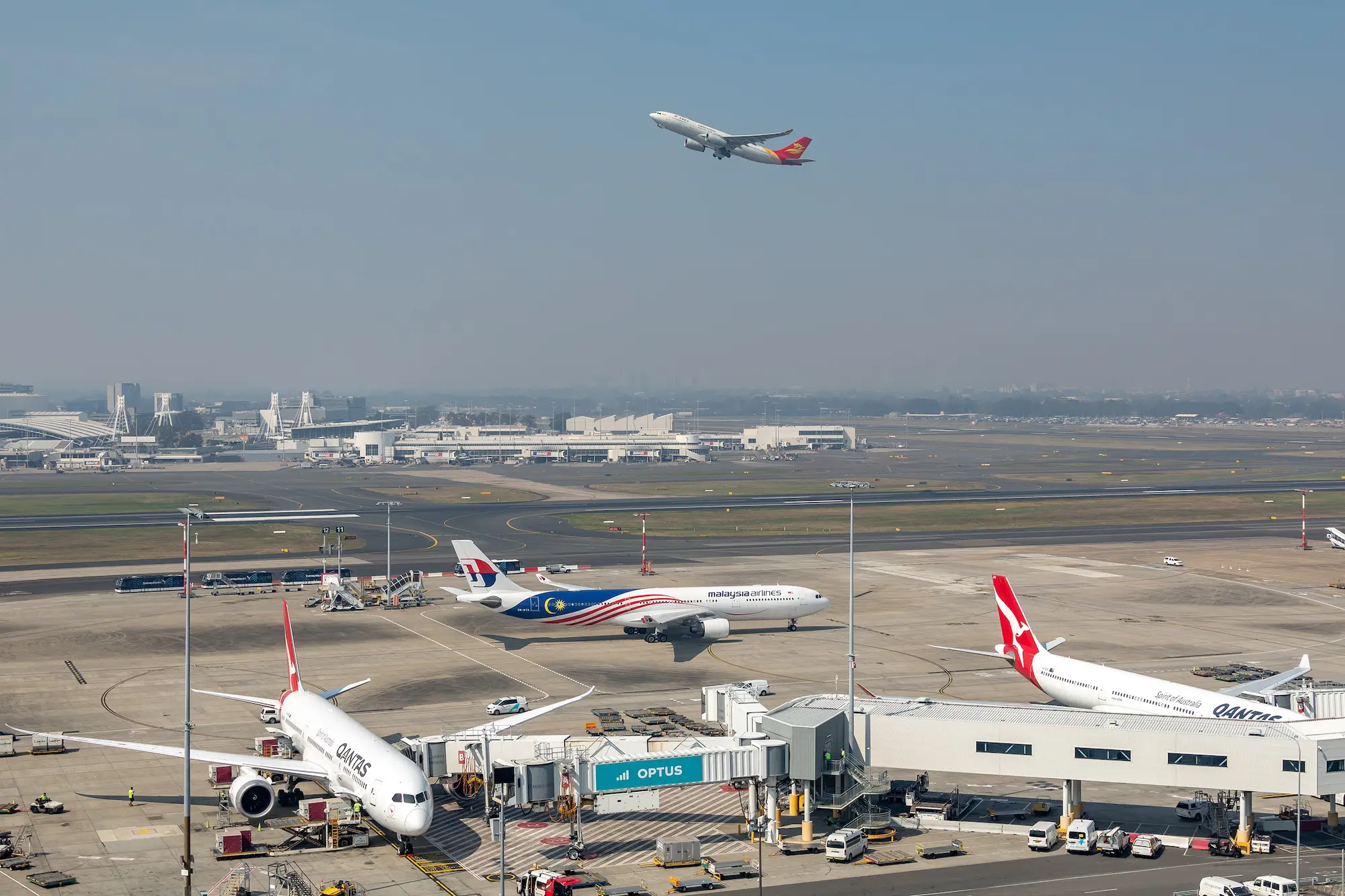
Discover more ways that flying the Silk Skyway can improve your clients’ European holidays when you check out Sydney Airport’s dedicated webpage here.
This article is brought to you by Sydney Airport.