



Dress codes set the tone for the many events filling our calendars. They’re the reason we clutch that pink feather boa or plastic lei like emotional support props, despite knowing full well we shouldn’t be trusted with either in public. If terms like Nordic Glam or Boho Black Tie have ever triggered a mild identity crisis, this guide will help you make sense of dress codes
without leaving you raiding the Halloween clearance bin.
Here, we’ll explain what each common dress code means in practice, how to interpret the growing list of hybrid themes and how to avoid the most frequent mistakes.
What the classic codes actually mean (in real life)
Boardroom / Corporate / Business: Polished, structured separates with a clear professional finish. Think meeting‑ready dressing that holds up across conferences, stakeholder sessions and awards lunches without tipping into overdressed territory.
Business casual: Smart, well‑fitted separates, polished tops and comfortable shoes that still read professional. No denim unless explicitly stated. Ideal for expos and daytime networking.
Smart casual: Elevated basics: structured separates, knits, crisp shirts, clean sneakers or loafers. Works for launch events, casual awards and evening mixers.
Semi‑formal: Tailored ensembles such as sharp suits, sleek jumpsuits or coordinated sets with tidy finishes and structured footwear that reads polished rather than casual. Designed for events that expect visible effort without requiring full gala formality.
Cocktail: Short tailored looks, streamlined suits without ties, polished shoes and simple accessories. A go‑to for award nights, anniversaries and gala pre‑functions.
Glam: High‑impact silhouettes, statement accessories, sleek tailoring or standout ‘fits. Expect strong photo lighting and guests aiming for visible effort.
Black tie: Long formal silhouettes, tailored suits with ties or bow ties and formal shoes. Reserved for major galas and high‑stakes awards.
Rather than being a source of stress, dress codes help to set expectations and signal the formality ( or lack thereof) of an event, all so you’re not umming and ahhing between a blazer and a beach hat ten minutes before the Uber arrives.
Dress codes create a shared baseline, which helps planners shape the room and helps attendees feel prepared rather than out of step. When you understand what a code is trying to achieve, you can build an outfit that supports confidence and consistency instead of leaving everything to the same cosmic forces that once convinced you that cargo shorts counted as “a bold personal brand”.
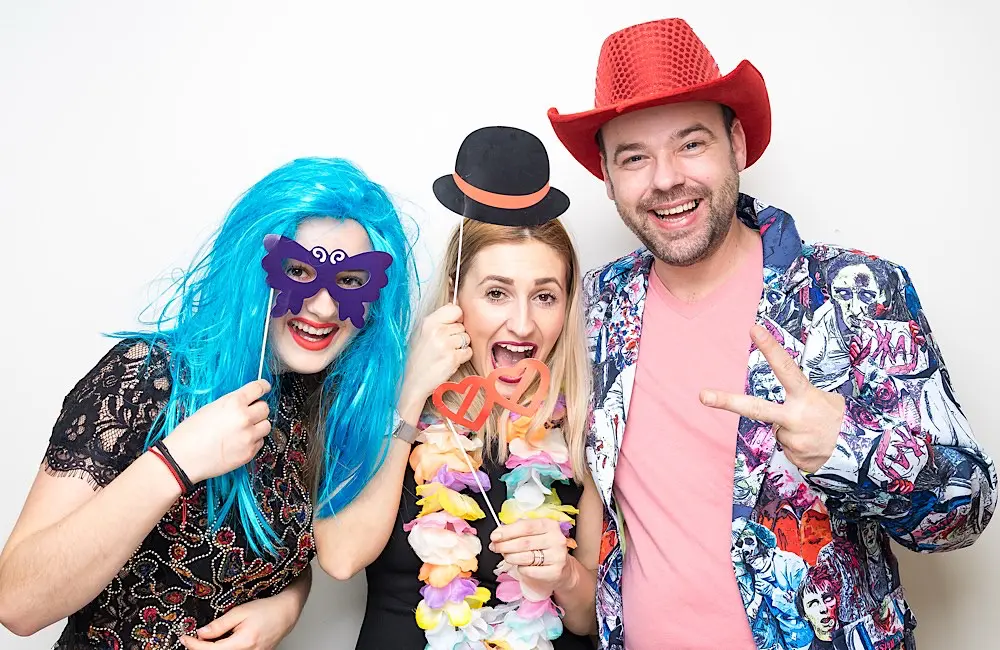
How to decode hybrid dress codes
Hybrid codes combine a primary element (the actual expectation) and a secondary element (the flavour). The primary sets the rules. The secondary sets the accent.
Apply the formula: Base code = the structure. Theme = the seasoning.
For example:
- Corporate Disco Lite = Corporate base, one reflective detail.
- Desert Opera Semi-Formal = Semi-formal base, desert palette.
- Tropical Boardroom = Boardroom base, a lei or bright palette.
- Christmas Glam = Cocktail/glam base, red or green accent.
If you treat the theme as a garnish, you never arrive overdressed, underdressed or dressed like the concept art.
Hybrid dress codes can be fun and they help:
- Differentiate events in a packed calendar.
- Deliver a cohesive photo gallery.
- Encourage participation without forcing costumes.
- Balance professionalism and personality.
Practical concerns you should consider first
Before you even look at the theme, check:
- Temperature: indoor climate, time of day, expected crowd density.
- Mobility: number of sessions, walking distances, expo‑floor navigation.
- Footwear survival: standing receptions require strategy.
- Photography: avoid fabrics that show sweat, glare or creasing.
- Bag logistics: hands‑free options help with canapés and business cards.
Comfort directly affects networking stamina, so design your outfit for the day you will actually have.
When the dress code is unclear (or missing entirely)
Sometimes the invite is silent. Other times it throws you into mild panic with vague phrasing like “elevated”, “contemporary” or “after‑five”. When that happens, use these checks:
Venue matters: A heritage ballroom leans formal. A converted warehouse leans smart casual. A beachfront deck sits between cocktail and linen‑friendly restraint.
Timing signals tone: Day events default closer to business or smart casual. Evenings usually nudge semi‑formal or cocktail.
Event purpose tells you everything: Awards night expects visible effort. Training day calls for professional comfort. Product launch favours sharp lines and camera‑friendly finishes.
Look at the hosts: Government departments skew conservative. Tech firms skew smart casual. Luxury brands skew sleek, structured and photo‑ready.
If in doubt, step one notch up: Slightly more polished nearly always lands better than too relaxed, especially under lights.
When the code is missing altogether, aim for the middle: structured separates, neat layers and professional shoes. It works most of the time and prevents you becoming the person searching for a blazer at the last minute.
And if anxiety still hits, follow the universal rule: clean lines, simple palettes and no novelty accessories unless explicitly invited.
KARRYON UNPACKS: Dress codes are quiet event levers that signal formality, shape photo outcomes and influence how prepared people feel, which is why clarity always beats cleverness.