



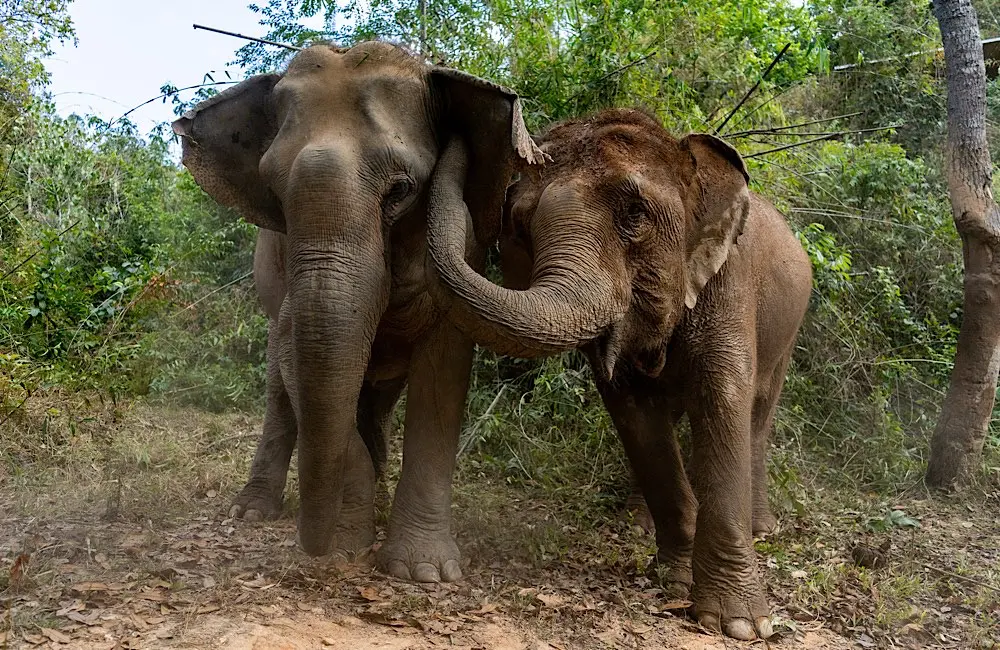
Walk past a tour desk in Thailand and you will still see elephants everywhere. They appear on signs, booking platforms and half-day itineraries promising connection, care and ethics. And that shift feels reassuring. It suggests a system listening to travellers. A new long-term assessment suggests something else is happening.
After 15 years of monitoring Thailand’s elephant tourism industry, World Animal Protection’s latest report finds that while the experiences on offer look different, the underlying conditions for most elephants have barely moved.
What does elephant tourism look like now?
According to the report, Thailand currently has 2,849 elephants held across 236 tourism venues. That number is slightly higher than in 2019 and dramatically higher (+73%) than in 2010.
Covid disrupted the industry but did not dismantle it. Breeding continued. Venues reopened. Demand returned. What changed most was the framing of the experience.
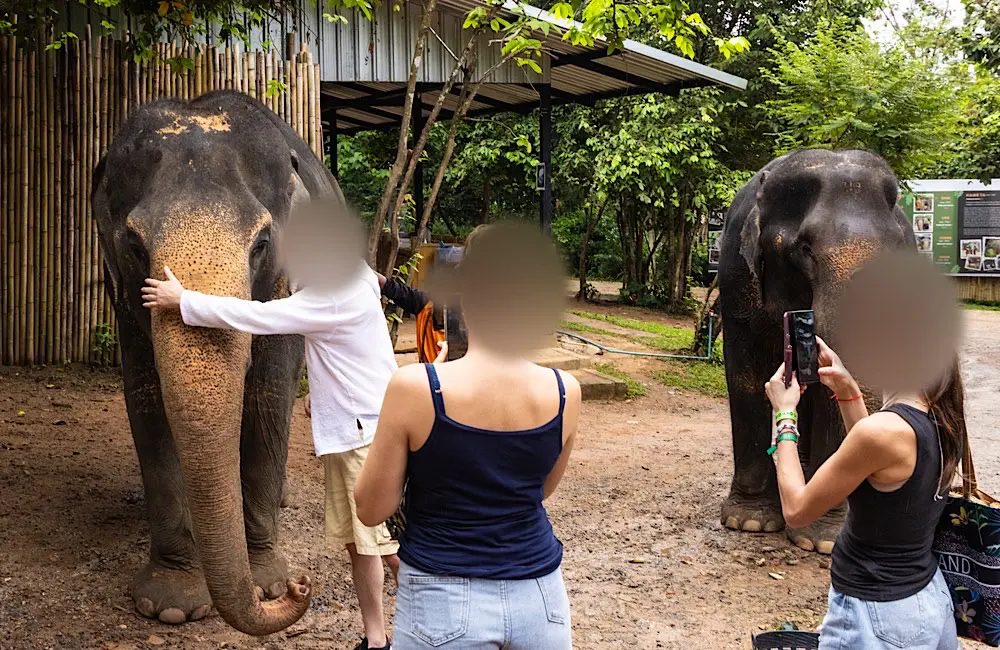
Elephant rides and entertainment shows are no longer the dominant product. Washing sessions, feeding encounters and “caretaker for a day” experiences now take their place. These are widely marketed as ethical alternatives and often wrapped in sanctuary language.
Why do these experiences feel safer to travellers?
Many well-meaning travellers actively seek out these so-called animal-friendly experiences to avoid contributing to harm.
However, World Animal Protection’s report finds that more than half of all captive elephants are now used in washing, feeding or close-contact activities in experiences that still require restraint, compliance training and routine human handling. They rely on control even when they are presented as care.
For a traveller, the difference between riding and washing feels significant. For the elephant, the conditions that make either possible are often the same.
What do the welfare conditions actually show?
Across all venues assessed, two out of three elephants were living in poor conditions.
Most spent long periods on short chains during the day. Three quarters could not socialise freely with other elephants. Concrete standing areas, limited diet variety and noisy visitor environments remained common.
The overall welfare score for the sector has barely shifted in 15 years.
Venues offering rides and shows scored the lowest. Washing and feeding venues scored slightly higher, largely because some operate in quieter or more remote settings. Once visitor interaction increases, those differences narrow quickly.
Observation-only venues scored highest. They also remain a small part of the market.
Why does the word “sanctuary” matter so much?
Terms like sanctuary, rescue centre and retirement home have no consistent legal meaning within Thailand’s tourism system. Many venues using them still rely on punishment-based training, routine chaining and forced interaction.
The language suggests safety and care. The conditions often tell a different story. This is where many well-intentioned travellers get caught.
Why hasn’t regulation caught up?
Thailand still regulates captive elephants under livestock legislation dating back to 1939. Wild elephants are protected. Captive elephants sit in a separate framework with limited and fragmented oversight.
Breeding remains legal. Welfare standards are broad and weakly enforced. Certification schemes are voluntary.
This allows the industry to respond quickly to consumer pressure without making structural changes that would limit what can be sold.
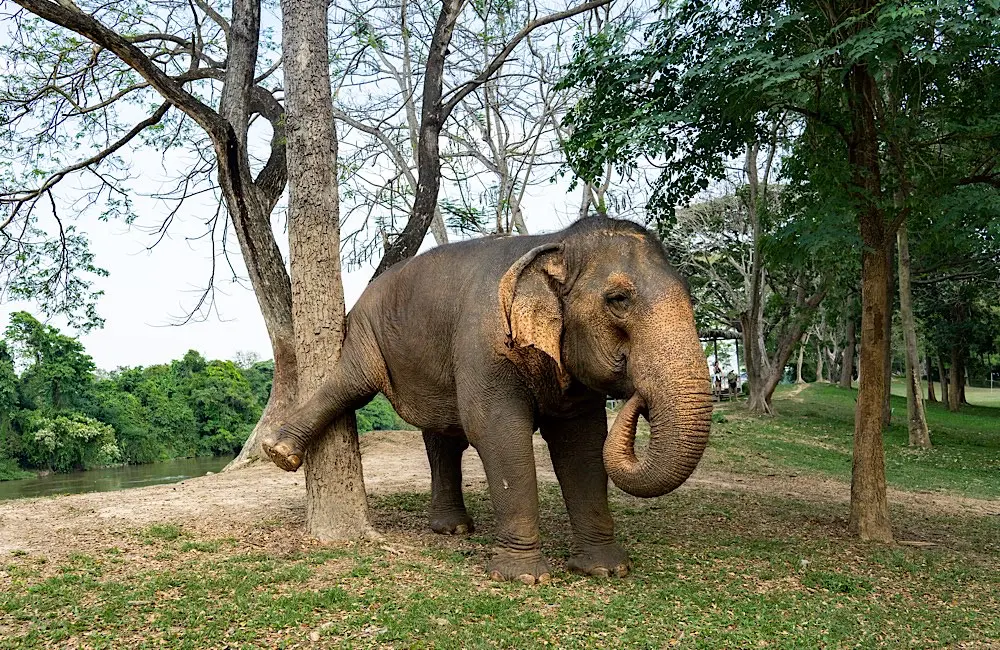
What happening in Indonesia?
In Indonesia, from 2026, elephant rides will be banned nationwide under government directive, with enforcement tied to operating permits across zoos and tourist facilities. The decision applies regardless of how experiences are marketed and removes riding as an option altogether.
Thailand’s shift has come through market signals rather than regulation. Rides and shows have declined, but they have not been prohibited. Close-contact experiences continue to operate without national restrictions.
What does this mean for travellers planning trips now?
Elephant tourism in Thailand has not disappeared. It has become harder to read.
The risk for travellers is not indifference. It is assuming that a softer-sounding experience automatically equals a better outcome.
The report shows a system that has learned how to reassure without fundamentally changing what it requires of elephants. That gap between appearance and reality is where most people unknowingly step into support.
What is the report actually calling for?
World Animal Protection is calling for travel companies to stop selling all forms of close-contact elephant encounters, not only rides and shows but also washing, feeding and caretaker-style experiences. Observation-only venues are identified as the benchmark, provided they prioritise space, autonomy and minimal human interference.
The report also pushes for an end to commercial breeding of captive elephants in Thailand and for elephant-specific welfare laws to replace the current livestock framework. Registration, tracking and enforcement are flagged as critical gaps.
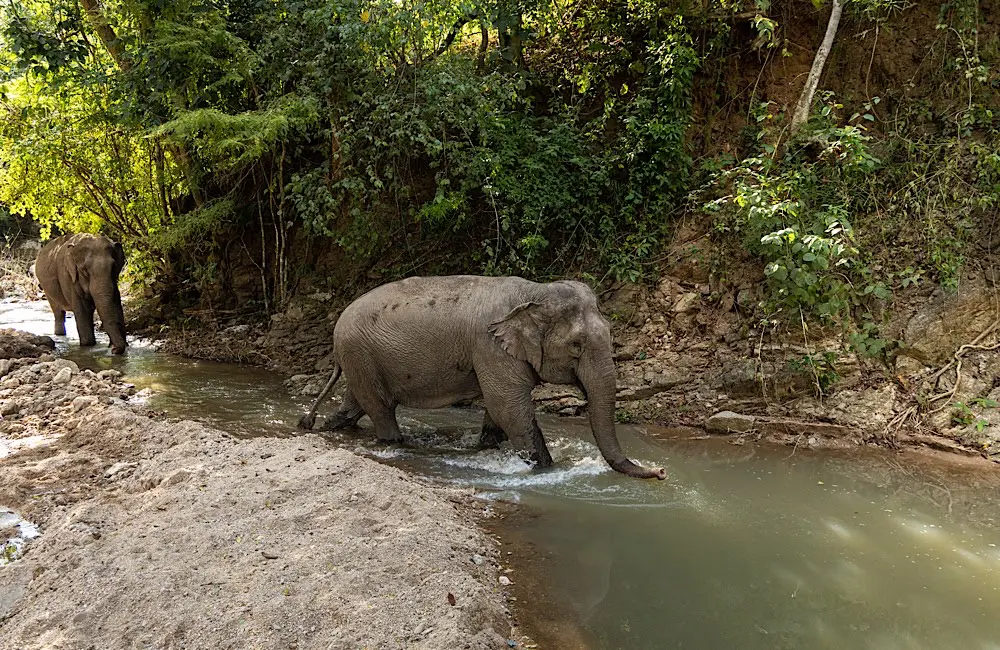
For the travel industry, the message is about alignment. What is promoted, what is sold and what is happening on the ground need to match. Online booking platforms are singled out as particularly influential, given how easily these experiences can be booked independently.
The recommendation is not about asking travellers to work harder. It is about removing experiences that rely on control and restraint from the mainstream tourism market altogether.
All images appear courtesy of World Animal Protection.