




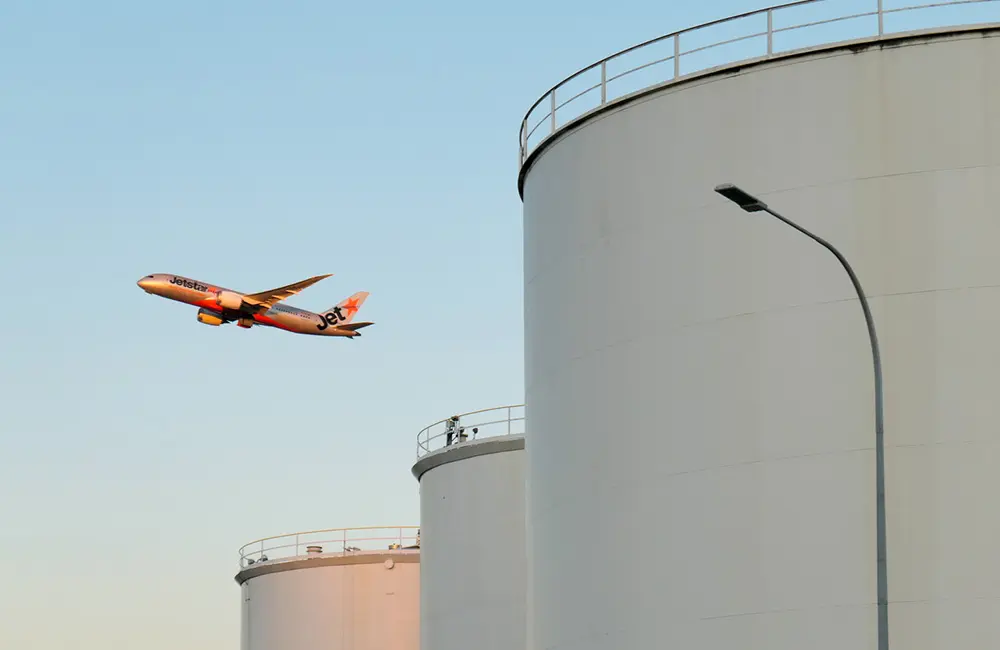
Brent crude has jumped as much as 13 per cent to US$82 a barrel after US-Israeli strikes on Iran triggered a near-total halt in shipping through the Strait of Hormuz, the narrow waterway between Iran and the Arabian Peninsula through which roughly 20 per cent of the world’s oil supply flows.
For anyone booking travel right now, the ripple effects are already being felt. Gulf hub flights have been grounded, oil prices have spiked, and the prospect of higher airfares and fuel surcharges is growing by the day.
On top of that, Australian petrol prices already jumped $0.25 per litre on 27 February due to the latest round of fuel excise indexation, and the Iran-driven oil surge hasn’t even hit the bowser yet.
Why are oil prices spiking?
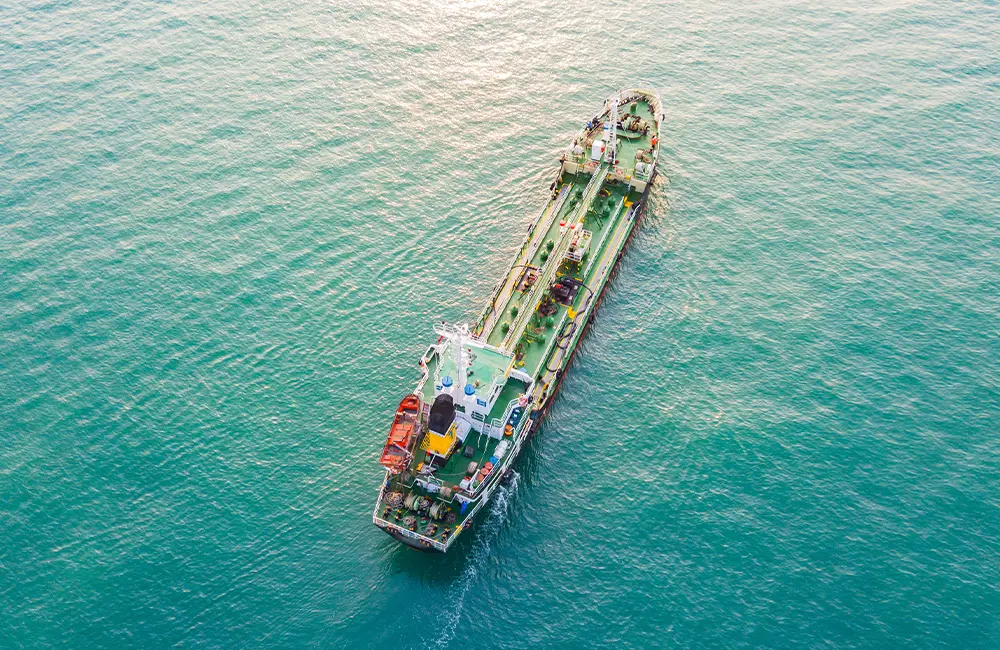
The Strait of Hormuz is the world’s most important oil chokepoint. About a fifth of all global oil and gas, and nearly 20 per cent of the world’s jet fuel, passes through it every day, according to IATA.
When the US and Israel launched strikes on Iran late last week in what the US military has called Operation Epic Fury, Iran responded by effectively shutting the Strait to shipping. Tanker traffic has dropped by around 70 per cent, according to reports, with major shipping lines all suspending operations through the waterway.
Before the conflict, forecasters, including J.P. Morgan, had Brent crude averaging around US$58 a barrel for 2026. That’s now out the window. Brent settled 6.7 per cent higher on Monday at around US$78, with intraday trading pushing above US$82. Some analysts have warned prices could top US$100 a barrel if the disruption drags on.
What does this mean for airfares?
Fuel makes up roughly a quarter to a third of what it costs an airline to operate. When oil prices spike, airlines either wear the hit or pass it on to passengers through higher fares or fuel surcharges.
If crude stays above US$80 for a sustained period, industry observers say carriers may have little choice but to do the latter, with some flagging the possibility of “war surcharges” on international tickets.
Morningstar equity analyst Nicole Lim said most Asian airlines had partially hedged their fuel costs, which provides a short-term buffer. “The sharp sell-off in Asian airline shares reflects market concerns over higher fuel costs, flight cancellations, and incremental costs from rerouting flights following airspace and airport closures,” Lim said in a note reported by Reuters.
The takeaway: airlines are already pricing in the pain, even if ticket prices haven’t moved yet.
How are Qantas and Virgin Australia affected?
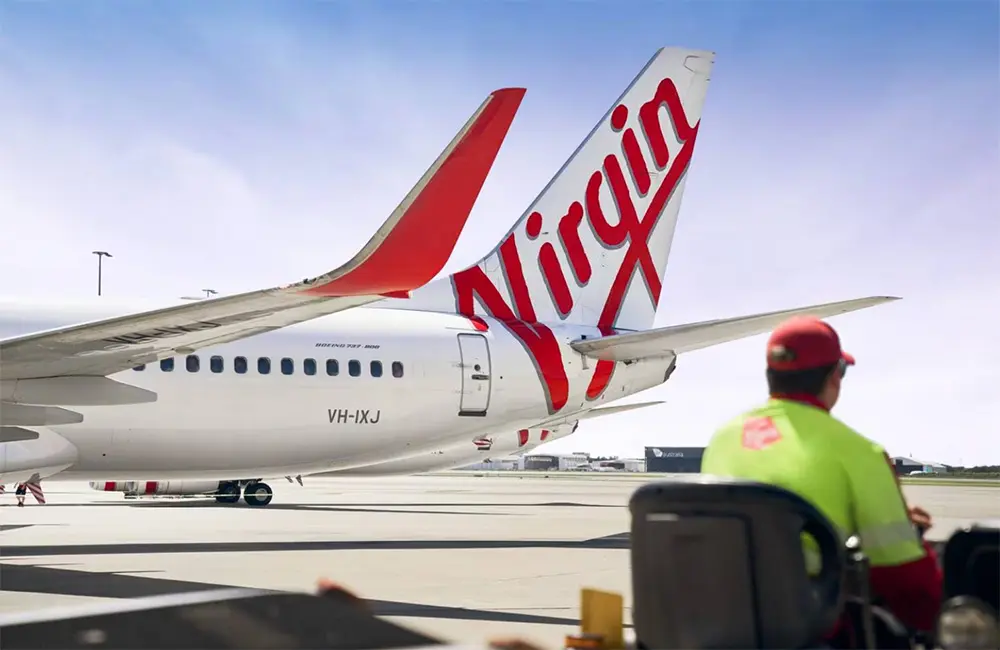
Qantas shares fell 10.4 per cent on Monday to their lowest point in 10 months, even though the airline says its own services are currently unaffected because its Europe routes bypass Gulf hubs via Singapore.
The share price drop reflects broader market nerves about fuel costs rather than direct operational disruption. Qantas is offering fee-free refunds, credits or date changes for partner-airline bookings to, from or via the UAE, Qatar, Israel, Jordan and Oman for travel between 1 and 3 March.
Virgin Australia has been more directly hit. The airline, which operates codeshare services to Doha through Qatar Airways, cancelled eight flights on Monday and is offering free rebooking, travel credits or refunds for guests on Doha services up to 6 March.
With Emirates and Qatar Airways services from Dubai and Doha suspended, travellers connecting through those hubs are stranded or scrambling for alternatives. More than 3,400 flights were cancelled across seven Middle Eastern airports on Sunday alone, with over 19,000 flights delayed globally.
What about petrol prices at home?
Unleaded 91 was sitting between 211.9 and 213.9 cents per litre across Sydney, Melbourne and Brisbane on Tuesday, already above $2 a litre.
But here’s the thing: that’s mostly the fuel excise increase from 27 February, not the Iran oil spike. International crude price movements typically take seven to 10 days to flow through to Australian bowser prices, according to the NRMA. The real impact of this week’s oil surge is yet to be seen.
And it could be significant. Analysts are warning that if the disruption in the Strait of Hormuz continues, Australian petrol could rise by up to 40 cents per litre on top of what drivers are already paying. Reports suggest motorists in major cities are already rushing to fill up ahead of further increases.
KARRYON UNPACKS: For travel advisors, the immediate job is rebooking clients caught up in Gulf hub cancellations and keeping up with DFAT advice. Longer term, if oil stays above US$80 and the Strait stays shut, airfare increases and fuel surcharges on international routes are a real prospect. The smart move right now is to be upfront with clients about pricing volatility and to lock in fares on unaffected routes before fuel costs flow through.