





Melbourne is back in Air Canada’s Australia conversation, with the airline pointing to its future Airbus A350-1000 fleet as the aircraft that could reopen the door to a direct Vancouver service.
While no plans have been unveiled for flights to Melbourne, Air Canada executives say the longer-range A350-1000 will give the carrier greater flexibility to evaluate destinations that are currently beyond the reach of its existing fleet. That capability could make Melbourne a more realistic option as the airline considers future growth in the Australian market.
Speaking at a Sydney media briefing to mark 10 years of Air Canada’s Brisbane-Vancouver service, Managing Director International Sales Rocky Lo said Melbourne had been part of the carrier’s Australian expansion plans before the pandemic, with Air Canada flying seasonally to the city.
Those ambitions were disrupted by the pandemic, while subsequent regulatory changes increased operational requirements, including rules around pilot staffing and alternate airport planning.
As a result, operating a non-stop Vancouver-Melbourne service under those conditions becomes significantly more challenging.
The airline’s future A350-1000 fleet could change that discussion.
Melbourne’s long-haul opportunity
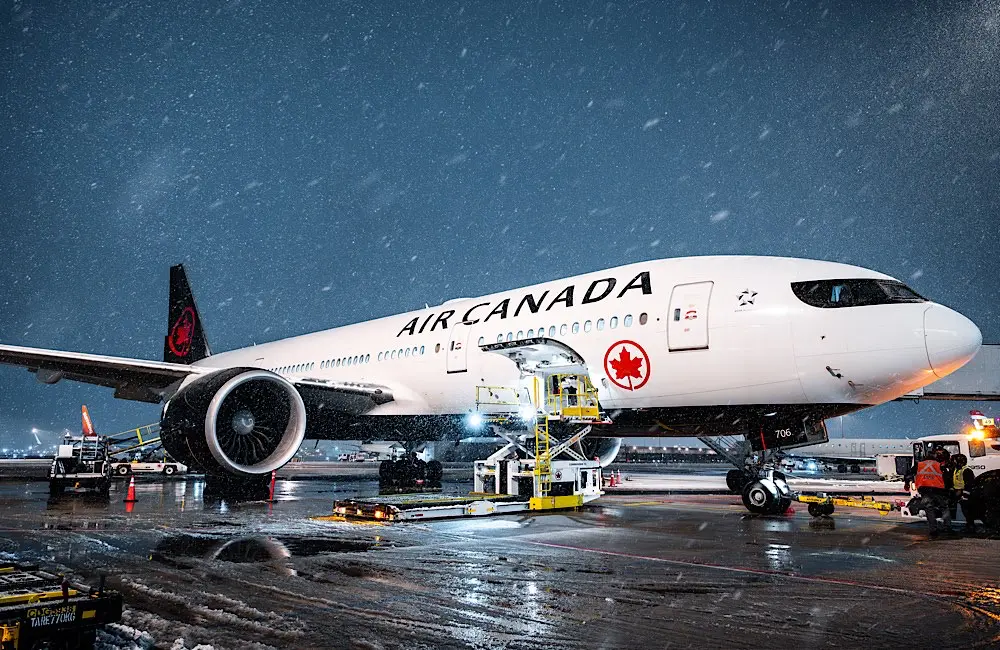
Air Canada has ordered eight of the ultra-long-range jets, with rights to purchase eight more, and deliveries scheduled to begin in the second half of 2030.
Air Canada has not disclosed the configuration of its future A350-1000s, and Lo stopped short of suggesting Melbourne was under active consideration. But the aircraft’s range, efficiency and passenger capacity could make a non-stop Melbourne-Canada service more realistic than it has been in the past.
That means any serious discussion about Melbourne is likely to depend on when the A350-1000 enters service and how Air Canada chooses to deploy the aircraft across its network. While there is no timeline for a Melbourne launch, the arrival of the new fleet will be a key milestone to watch.
Until then, Air Canada is leaning on its Australian partnerships to feed passengers from Melbourne and other cities through Sydney and Brisbane.
The airline’s relationship with Virgin Australia remains central to that plan, with passengers from Melbourne, Perth and Canberra able to connect through Brisbane, where the domestic-to-international transfer sits within one terminal.
“That worked really well for Brisbane,” Lo said.
“That’s part of the reason Brisbane can operate the way it does with the bigger 787-9 aircraft. Customers from Perth, Melbourne and Canberra can connect via Brisbane as well to fly to Canada.”
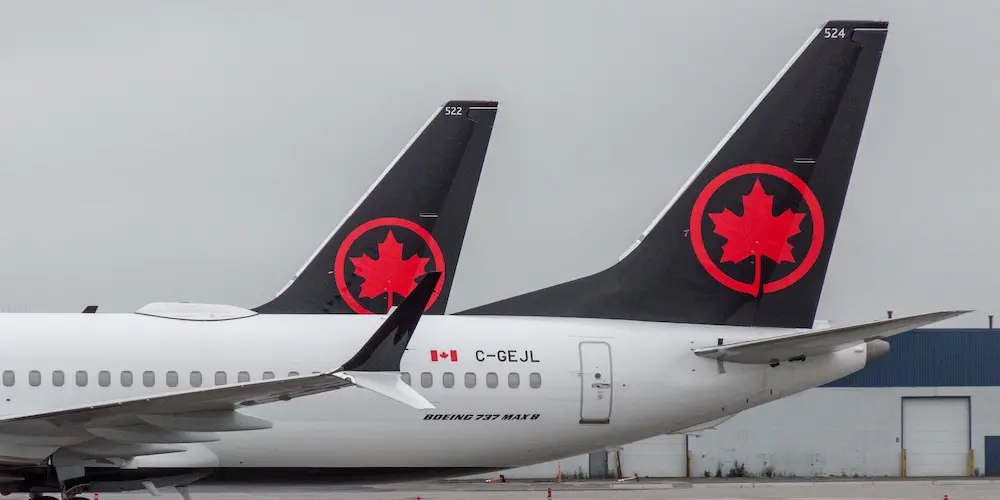
That feed has helped support Brisbane-Vancouver, which Air Canada now operates with its larger Boeing 787-9 aircraft. Lo said the move to the larger aircraft, with a bigger business-class cabin, reflected the route’s strength, particularly from mining, corporate, and premium leisure traffic.
Australia keeps earning its place
Australia is not an easy market to serve. Sydney and Brisbane sit among Air Canada’s five longest routes. Long routes entail higher aircraft, crew, fuel and cargo considerations, meaning airlines need strong and sustainable demand at both ends to make them work.
Despite those challenges, Lo said Australia continues to justify Air Canada’s investment and remains a priority market for both the airline and Canada more broadly. He pointed to Air Canada’s local office and team as evidence of its long-term commitment to the market.
“At the end of the day, we are here long term,” he said.
“Australia is still one of the focus markets for Canada, and we’ll continue to invest into this market.”
Premium demand keeps climbing
Air Canada is also seeing stronger premium demand from Australia, across both business class and premium economy.
Lo said the shift had become more pronounced since COVID, with long-haul travellers increasingly willing to pay for comfort.
“After COVID, we see more high-end customers who want to travel comfortably,” he said.
“We’re seeing customers place more value on the overall travel experience, particularly on long-haul journeys,” Air Canada Senior Director Sales APAC Kiyo Weiss added.
“When you’re travelling between Australia and Canada, comfort becomes a much bigger part of the decision-making process.”
That trend is shaping how Air Canada thinks about aircraft deployment on its Australian routes.
On Sydney-Vancouver, the Boeing 777-200 offers a larger premium cabin than the Boeing 787-9, with 40 business class seats and 24 premium economy seats, as well as additional cargo capacity.
That helps explain why Sydney remains on the 777-200 rather than moving fully to the 787.
The airline’s next wave of fleet investment will add another layer to that premium push.
“We have an order of 14 787-10s, and they will start coming at the end of this year,” Lo said.
“That aircraft will have more premium seats, both Signature Class and premium economy. But that aircraft won’t be flying to Australia because the range is not enough.”
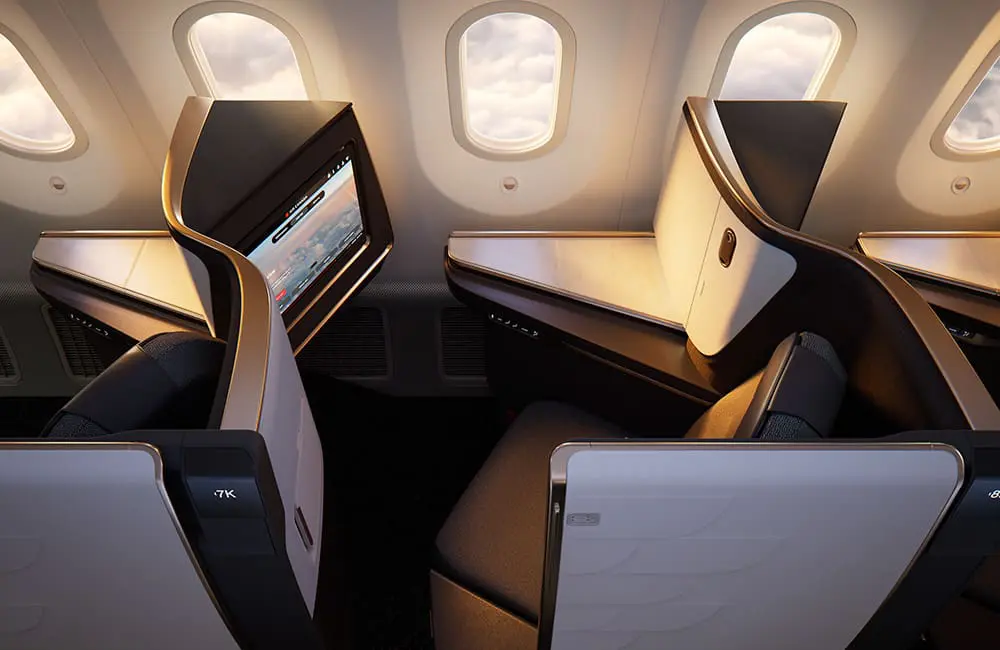
While Australian passengers will not see the Boeing 787-10 on non-stop services, it will still play an important role in the customer experience beyond Vancouver. The aircraft will feature Air Canada’s latest Signature Class product and expanded premium cabins, giving travellers connecting onward within North America access to the airline’s newest long-haul experience.
The A321XLR will also introduce the updated premium experience on some connecting services from Vancouver, giving Australian passengers access to the new product on onward sectors.
The advisor sell: Vancouver without the baggage drama
For travel advisors, Air Canada’s strongest sell may still be the part clients often overlook: Vancouver as a smoother gateway into the United States.
Many Australians assume flying to the U.S. means transiting through an American airport. Air Canada wants agents to challenge that reflex.
Passengers connecting through Vancouver to the U.S. do not need to collect their checked baggage. They use a dedicated international-to-U.S. connection process, clear U.S. pre-clearance in Canada, then arrive in the US as domestic passengers.
“The easiest way is the seamless connection in Vancouver,” Lo said.
The airline is also leaning into Vancouver’s stopover appeal, with most fares allowing a stopover. That gives clients the option to spend time in Vancouver, add Whistler, shop near the airport, or turn a North America itinerary into a two-country trip.
For Air Canada, advisors remain central to explaining that value.
“A lot of customers, when they plan a long trip to Canada, it’s not just a ticket,” Lo said.
“They also plan hotels, sometimes they plan an Alaska cruise, so the air ticket portion is only part of their whole journey.
“And especially for customers going to the USA, travel advisors help us share that seamless connection in Vancouver with their customers. Travel advisors are very important for us.”
Destination partnerships help build the case
Air Canada’s Australia growth story also depends on destination partnerships, particularly with Destination Canada and provincial tourism boards.
“We are not just selling the seat. We are selling the destination as well,” he said.
“A customer chooses to go somewhere, and that’s why they buy an air ticket.”
That makes Air Canada a natural partner for tourism organisations looking to drive demand from Australia into Canada. Lo pointed to Travel Alberta as one example, saying destination bodies and Air Canada share a common interest in promoting places beyond the gateway.
“If you have Travel Alberta wanting to promote Alberta in the Australian market, and we have the seats that we need to fill with Australian customers, it’s natural that we work together,” he said.
“Australia has always been a focus market for Destination Canada and other provincial tourism boards. It is a more mature and stable market.”
For Destination Canada, that supports the broader push to move Australian travellers beyond Vancouver and the obvious icons. Air Canada serves 48 cities across Canada, giving advisors room to build deeper itineraries through Alberta, Ontario and beyond.
That partnership approach also supports Air Canada’s positioning in market. The carrier is selling Canada as a destination, Vancouver as a gateway, and Canada as a smarter connection point into North America.