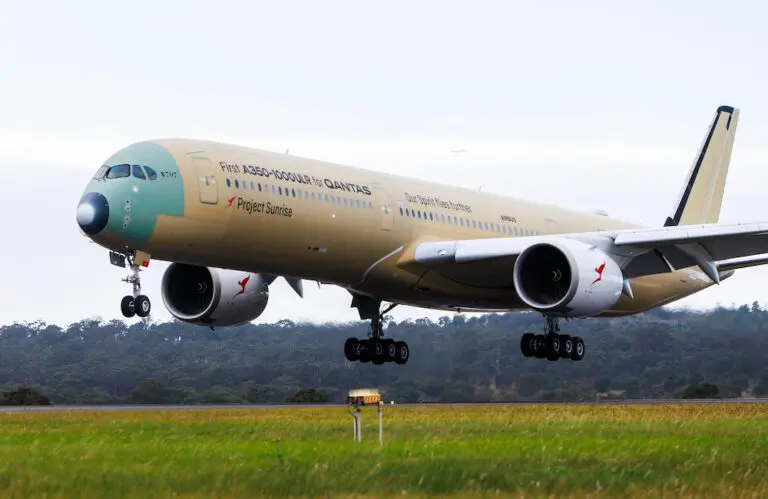




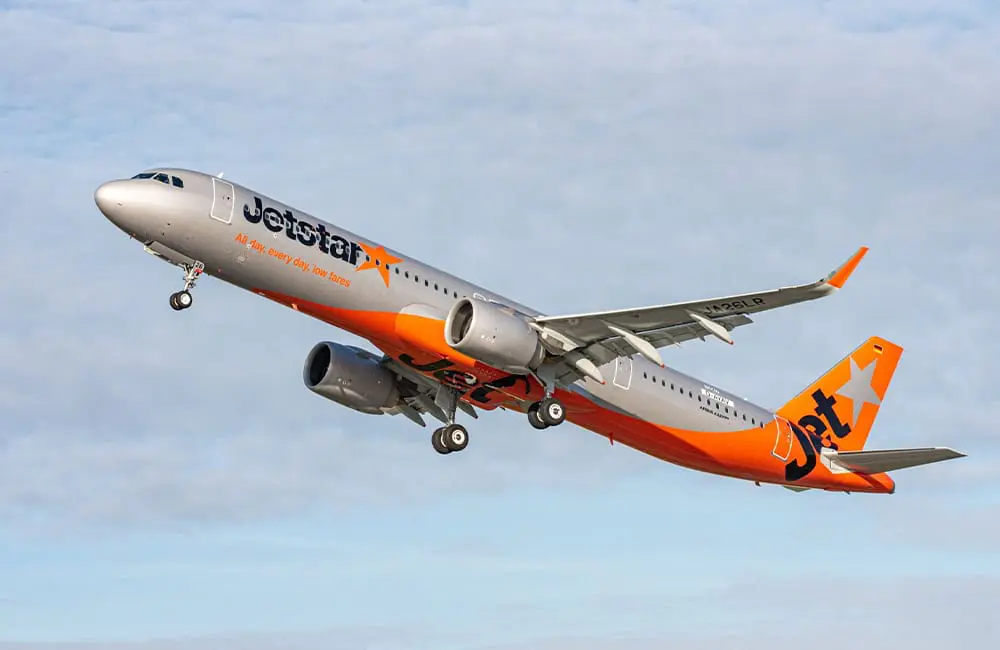
Low-cost carriers dominated the latest list of the world’s best airline emissions efficiency in Cirium’s second EmeraldSky Annual Review with Scoot scooping the top spot in 2025.
The annual rankings look at carbon dioxide emissions per available seat kilometre (ASK) across the world’s 100 largest airlines, covering the top 15 airlines and key regional and route performers.
The rankings aim to provide the aviation industry and passengers with verified comparable data on an equal playing field as the sector advances toward Net Zero by 2050 commitments.
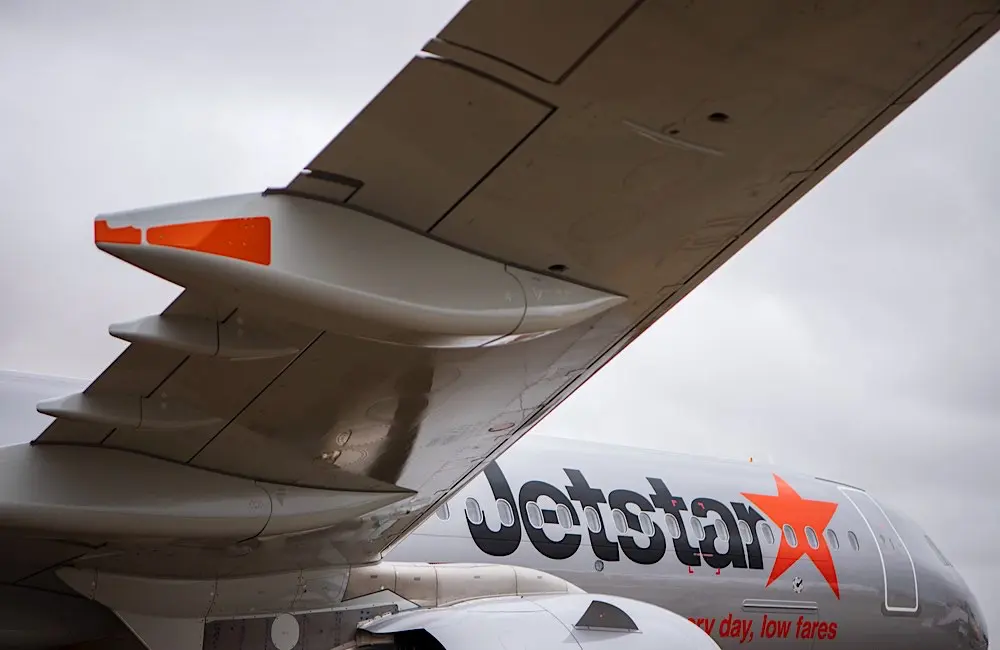
Jetstar was the only Australian airline to make the top 10 list for the second straight year, ranking in 10th place for global airline emissions efficiency due to fleet choice, seat configuration and aircraft routes.
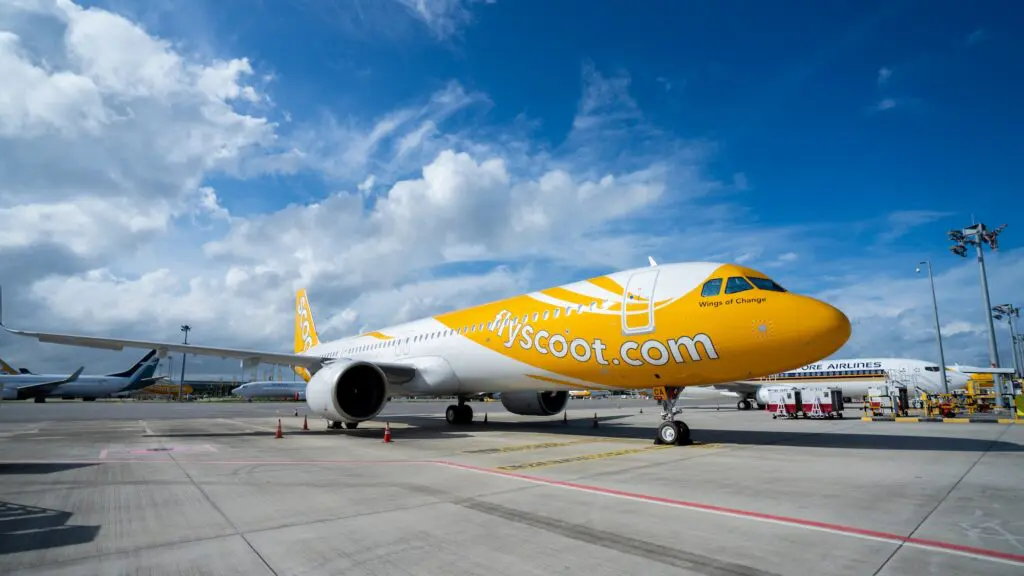
Scoot is the first South-East Asian carrier to lead the global airline emission efficiency rankings with an average seat density of 242 seats per aircraft operating on longer average sectors.
It took the top spot from last year’s inaugural winner, Hungary’s Wizz Air, followed by UK’s TUI Airways (3), Spain’s Air Europa (4) and USA’s Frontier Airlines (5).
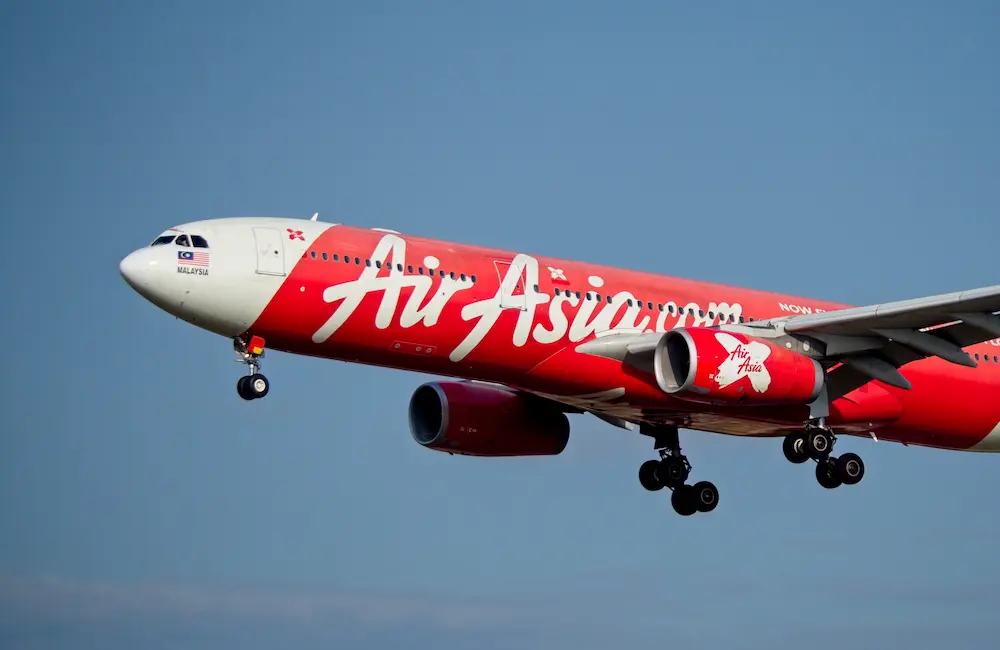
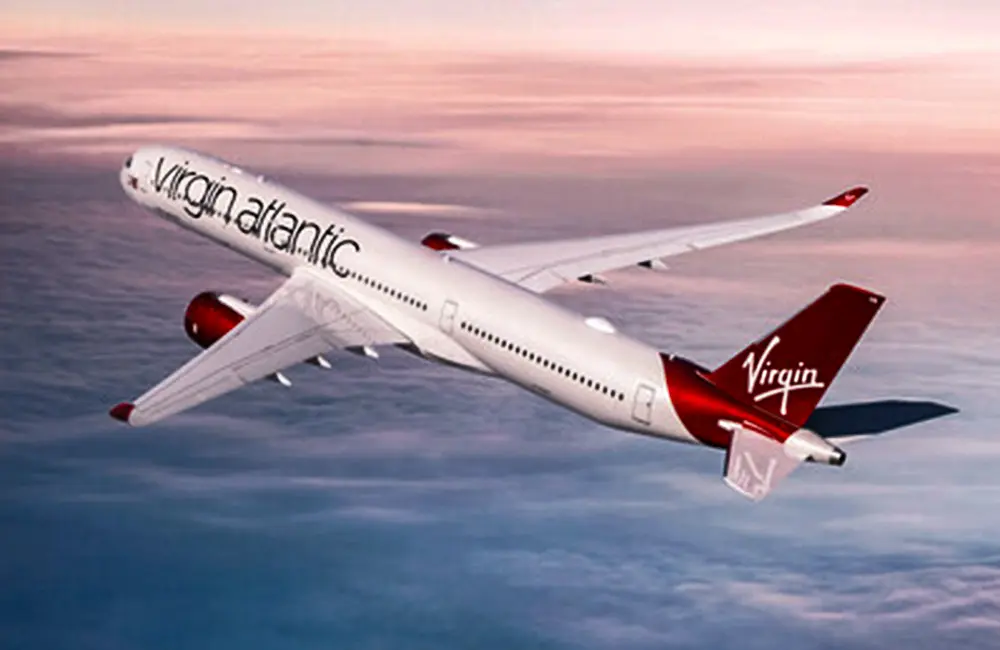
Rounding out the top 10 most emissions-efficient airlines globally are Germany’s TUIFly (6), Virgin Atlantic (7) – the only major long-haul carrier in the top 10, AirAsia X (8) and Turkey’s Pegasus (9).
The results reinforce a consistent pattern across the industry. Airlines operating younger fleets with higher seat density continue to outperform on airline emissions efficiency.
In contrast, long-haul carriers are closing the gap through fleet renewal, removing older, less-fuel-efficient aircraft from service. Airlines such as Virgin Atlantic with newer widebody aircraft and higher-capacity configurations can deliver competitive emissions performance even on long-distance routes.
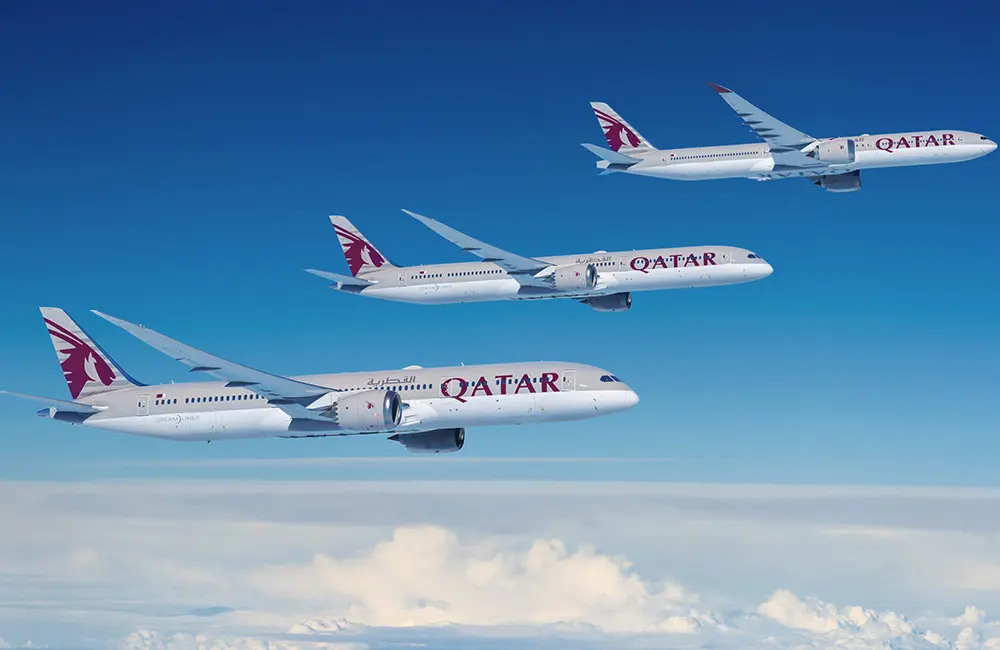
The largest airlines ranked as the top five most emissions-efficient by total seat capacity (ASK) are Qatar Airways, Ryanair, Turkish Airlines, Southwest Airlines and Emirates.
Rounding out the world’s largest airlines by CO2 per ASK are United Airlines (6), China Southern (7), Delta Air Lines (8), American Airlines (9) and China Eastern (10).
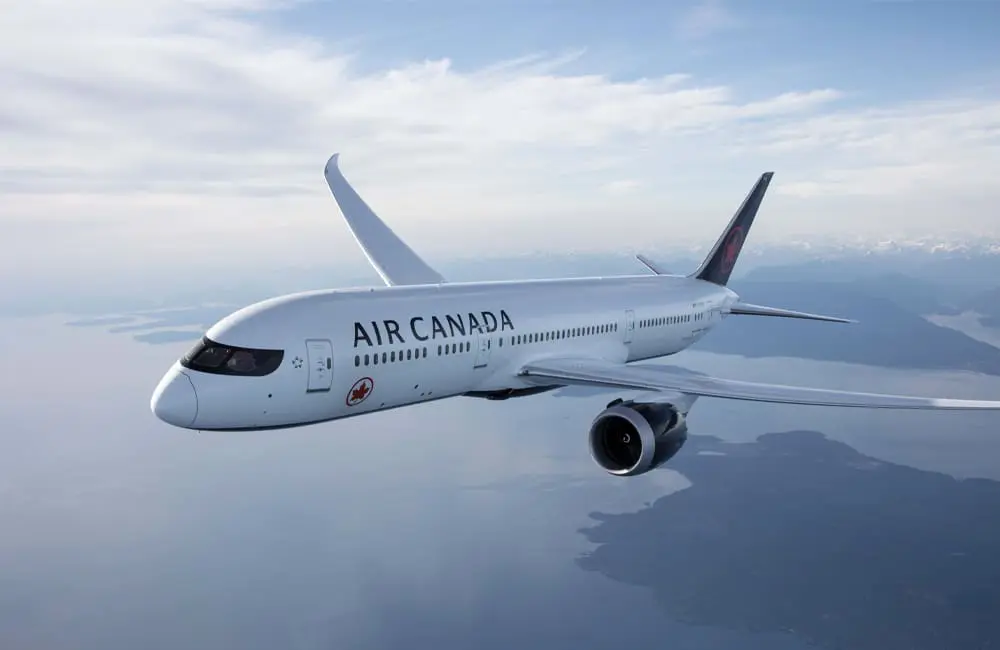
Regional leaders in high-volume travel corridors include Frontier (intra-North America), Wizz Air (Europe), VietJet Air (SE Asia), JetSmart (Latin America), Virgin Atlantic (transatlantic) and Air Canada (transpacific).
Cirium CEO Jeremy Bowen said airline emissions efficiency comes down to decisions that carriers can control: fleet choices, seat configuration and how aircraft are deployed on routes.
“The airlines at the top of these rankings have got those fundamentals right, and it shows. Better emissions efficiency and lower fuel bills go hand in hand,” he said.
KARRYON UNPACKS: For travel advisors, the findings highlight how sustainability and commercial performance are increasingly aligned as airline emissions efficiency shapes both airfare pricing and client perception.