




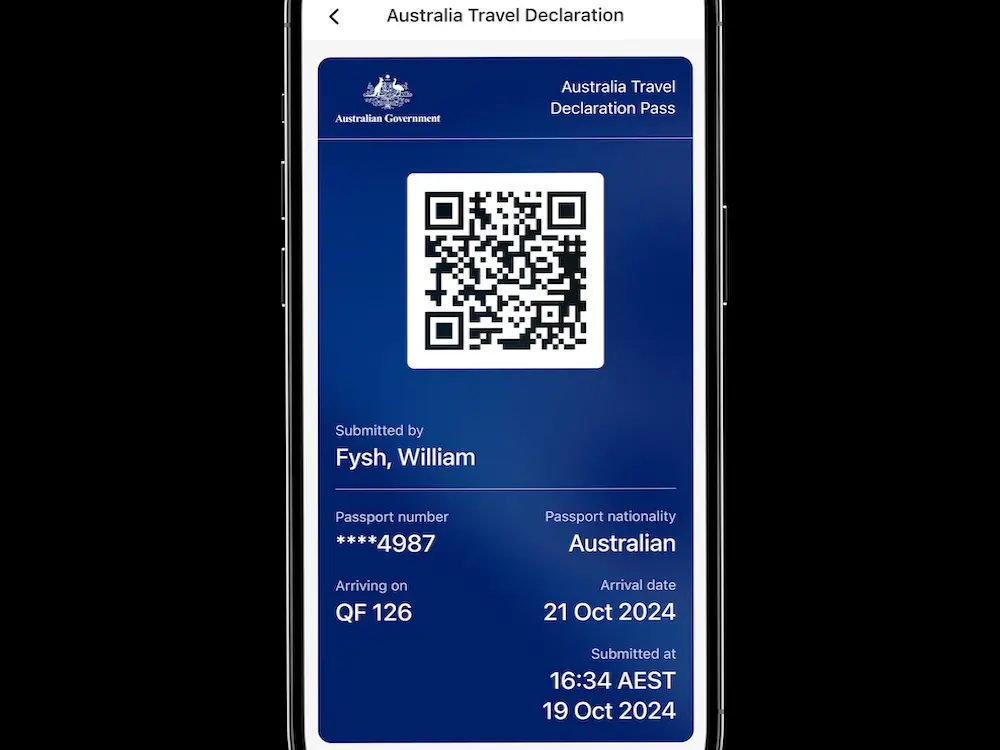
Australia will replace its paper incoming passenger card with a digital Australia Travel Declaration, rolling out nationally over the next 12 to 18 months as airports and travellers welcome the long-awaited move.
The digital Australia Travel Declaration (ATD) follows successful trials at Brisbane, Sydney and Melbourne airports with further trials to take place at Perth and Adelaide airports before the end of 2026.
Once fully in place, eligible travellers will complete their arrival declaration online rather than filling in the paper card on the flight or in the arrivals hall.
The change applies to everyone arriving in Australia, so returning Australians and inbound visitors alike will be affected as the system expands from the trial airports to the rest of the country.
What is changing at the border
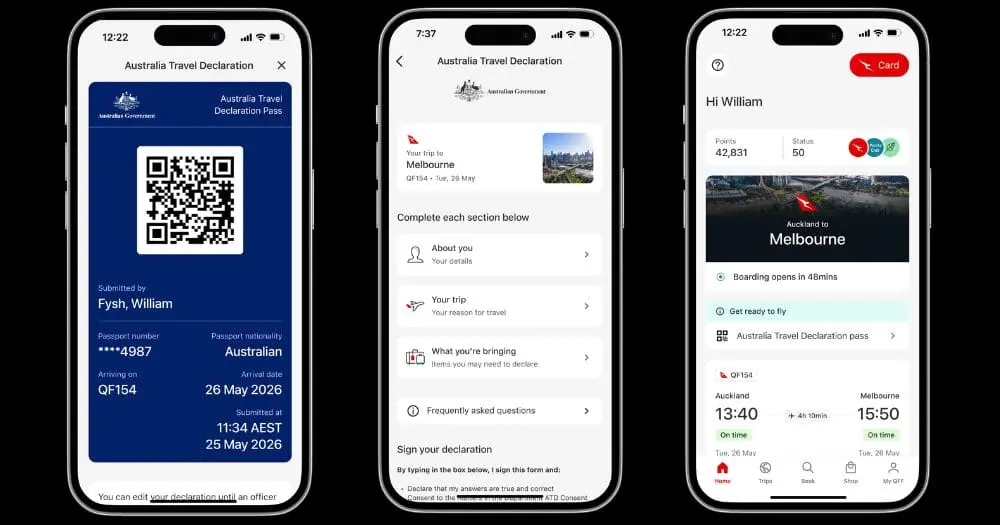
The Federal Government’s commitment to the Australia Travel Declaration rollout digitises a process that has remained largely unchanged for decades. The Australian Airports Association (AAA) has long advocated for greater use of digital technology at the border and welcomed the move.
AAA CEO Simon Westaway said returning Australians and international visitors had grown weary of the paper arrivals card.
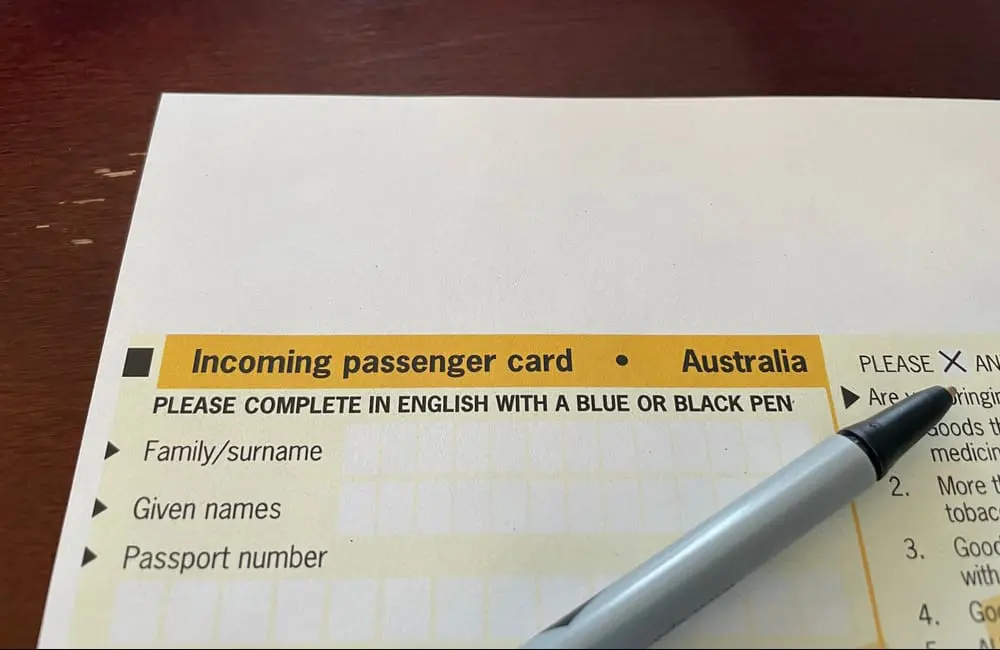
“This is such an important move and we thank the Federal Government for taking action to modernise a process that has remained largely unchanged for decades,” he said.
“Many of us have experienced the outdated method of filling in a paper card when arriving in Australia, often tired after a long-haul flight and caught out searching for a pen.
“Once fully rolled out, eligible travellers will simply fill in their declaration online, saving time and hassle for themselves as well as border officials.”
Why the Australia Travel Declaration timing matters
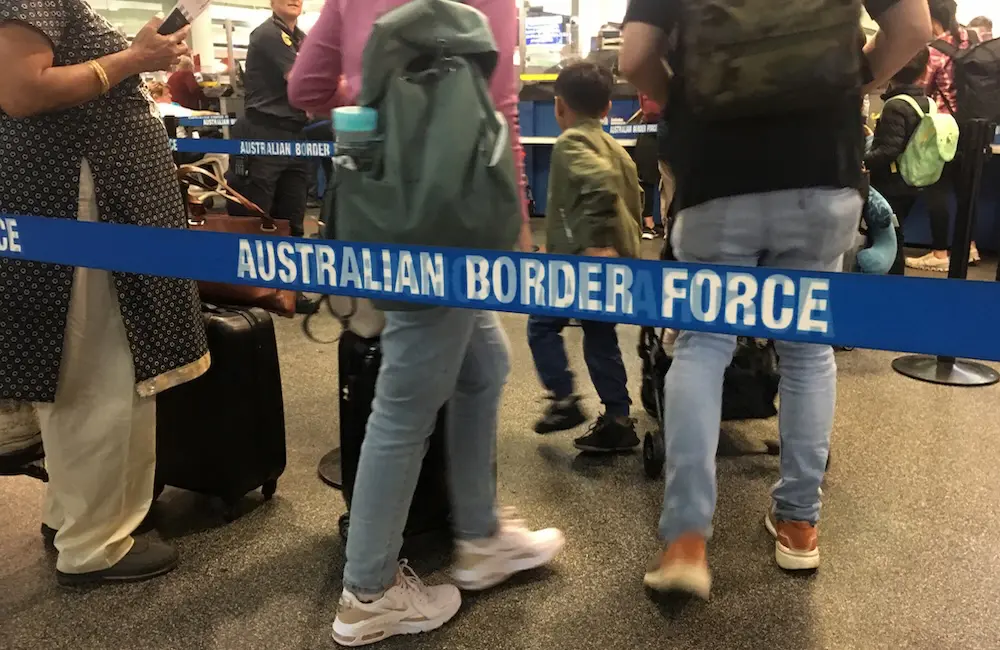
Australia’s airports facilitated nearly 45 million international passenger movements in 2025 with records breaking as international travel drives aviation growth.
Major airports expect that figure to reach more than 86 million by 2040, an increase of nearly 94 per cent.
“International travel has been the primary driver of aviation growth in the past few years, so it’s vital that we make the border processes as smooth as possible,” Westaway said.
“Seamless travel upgrades like this help ensure that Australia keeps pace with leading international border systems and add to the positive experience for both tourists and residents.”
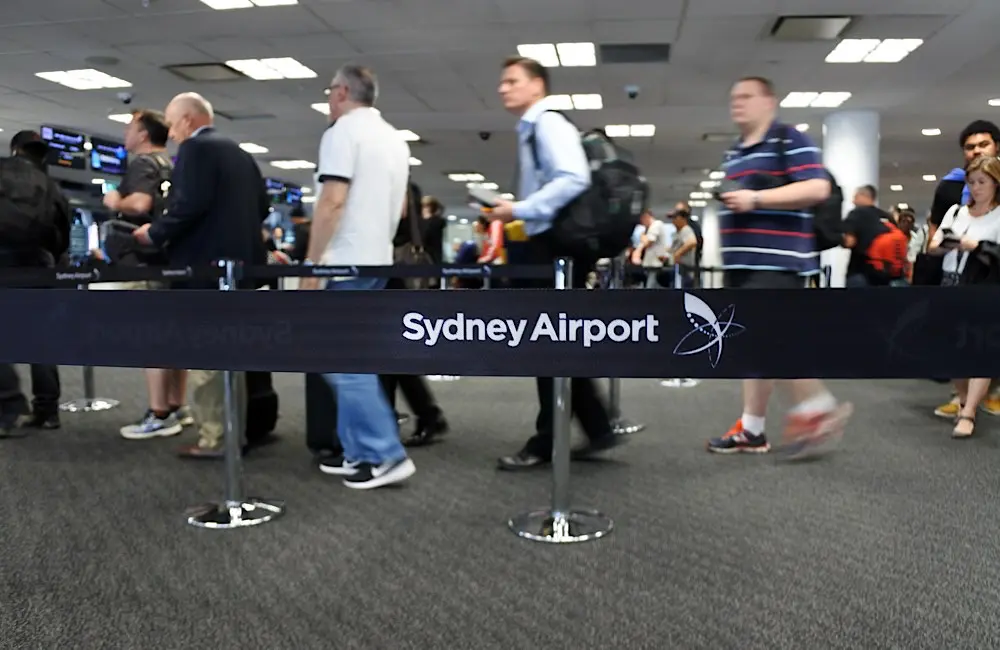
As Australia’s busiest international gateway, Sydney Airport welcomes more than 17 million international passengers each year.
Sydney Airport CEO Scott Charlton said: “We welcome the Australian Government’s investment in modernising Australia’s border processes and making international arrivals faster and easier for millions of travellers each year.”
“For many visitors, Sydney Airport is their first impression of Australia. A digital declaration card is a simple, practical change that will help deliver a faster welcome while maintaining strong border security.
“This is an important step towards a more seamless border experience that keeps Australia competitive, supports tourism and economic growth, and helps prepare Sydney Airport to welcome 72 million passengers a year by 2045,” he said.
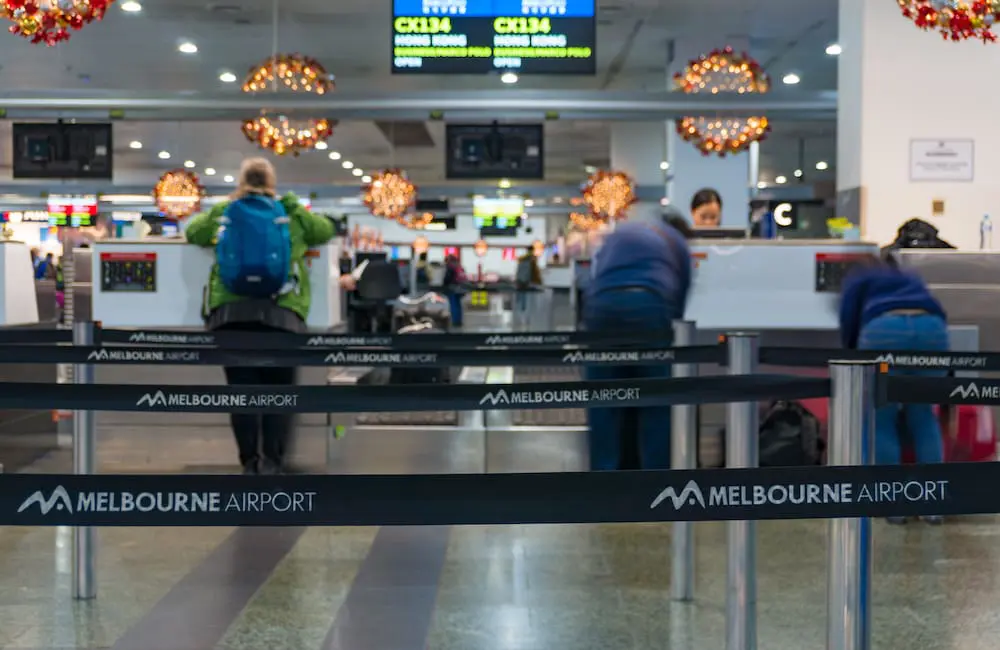
With almost 37 million passengers passing through Melbourne Airport in FY26, CEO Lorie Argus said the growing passenger volumes highlighted the need for a modernised, smoother travel experience.
“Given the growing volume of travellers, the international arrivals process is currently one of our biggest passenger pain points, so we’re pleased the Federal Government has committed to fixing this,” she said.
“We’re excited to work with the Federal Government to ensure a seamless rollout of the new digital arrivals process in Melbourne.”
Tourism & Transport Forum (TTF) Australia CEO Margy Osmond said the Australia Travel Declaration announcement marked the beginning of a once-in-a-generation transformation of Australia’s international border, following years of industry advocacy and close collaboration with government.
“This announcement brings Australia’s border into the digital age. As digital passenger cards are rolled out at international airports across Australia over the next 18 months, we’ll see less paperwork, fewer queues and a safer, more secure arrival experience for millions of travellers,” she said.
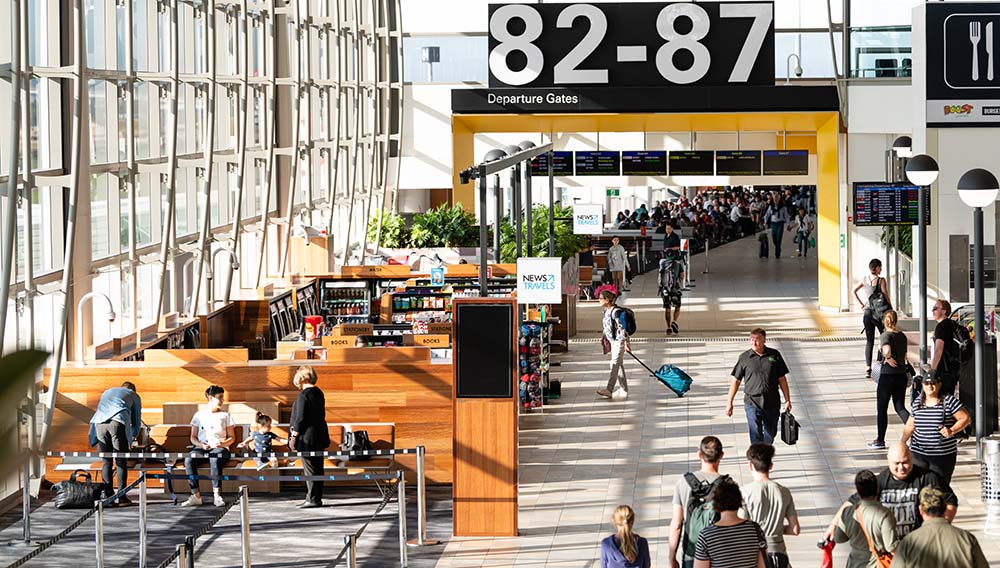
Westaway pointed to the 2032 Brisbane Olympic and Paralympic Games as a driver of continued border modernisation, alongside airport infrastructure upgrades to accommodate rising passenger numbers.
“We look forward to continuing to work with the Federal Government on further border modernisation projects, particularly as we count down to the 2032 Brisbane Olympic and Paralympic Games,” he said.
KARRYON UNPACKS: A digital Australia Travel Declaration is one less friction point for clients and one worth flagging in pre-departure notes as the rollout expands beyond trial airports in the next 12 to 18 months. It joins a wider push to smooth the journey for the millions of Aussies and visitors.