


Is packing light becoming the smarter travel choice for Australians? Scoot Australia General Manager ADAM KELLY explores why the cabin bag mindset is gaining momentum in 2026 and what that travel trend means for Aussie flyers.
Australians are rethinking what it really means to get away. It’s no longer just about the destination, it’s about freedom, flexibility and moving through the journey with ease. For many, the biggest shift is not shiny upgrades or premium perks, but the simple joy of travelling light. Across all types of trips, packing light is emerging as one of the travel trends heading into 2026, driven by a desire for flexibility, simplicity and ease.
This shift is especially visible among the growing number of Australians travelling solo. Recent Scoot research shows solo travel has moved firmly into the mainstream, with more than eight in ten Australian solo travellers taking at least one solo trip in the past year, and nearly nine in ten planning to do so again in the next 12 months. As travellers take more control of their journeys, how they pack is becoming just as intentional as where they go.

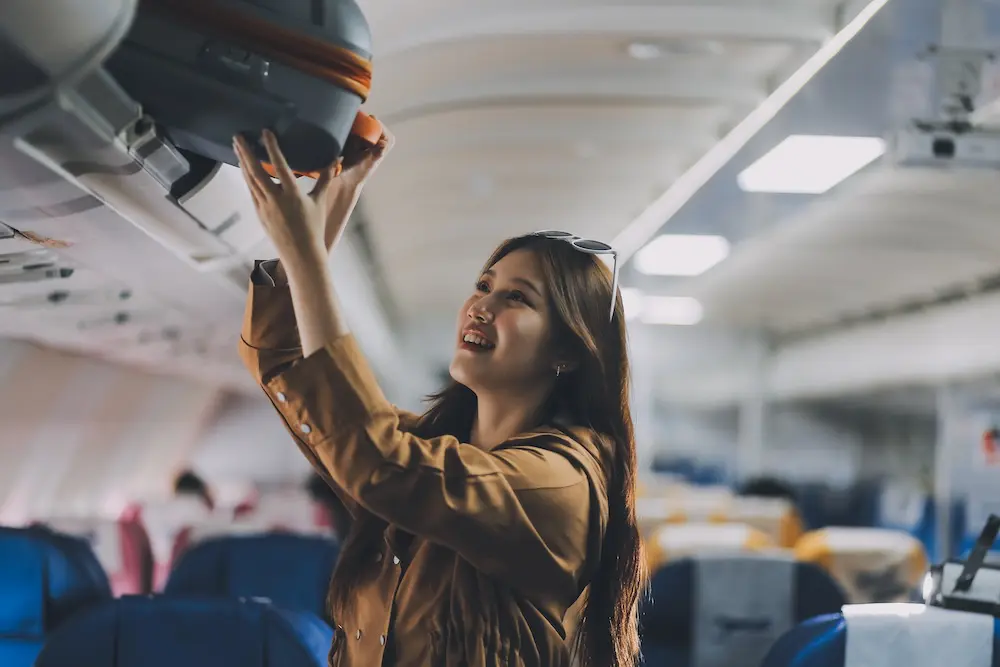
With digital boarding passes, online check-in and faster airport processes now the norm, packing smart has become the natural next step. Fewer bags mean less time wrestling with luggage, fewer decisions to make at the airport, and a calmer start to the journey.
What is interesting is that travelling light is no longer confined to a single type of traveller. Solo travellers are embracing it for a more streamlined travel experience. There are countless examples online showing just how creative and personal packing can be. Fashion-focused travellers share tips on building mix-and-match outfits that work across multiple occasions. Tech-focused travellers and content creators show how to pack, charge and organise gadgets efficiently without unnecessary bulk. And sometimes travelling light is as simple as heading to Koh Samui, putting a bikini in a bag and saying, done.
Families are also embracing a smarter approach. With planning, a family of four might only need two or three suitcases instead of four, reducing costs while keeping everyone comfortable. Parents often pack light, while kids somehow manage to bring half a wardrobe but even then, the flexibility to choose how much luggage to include makes a difference.
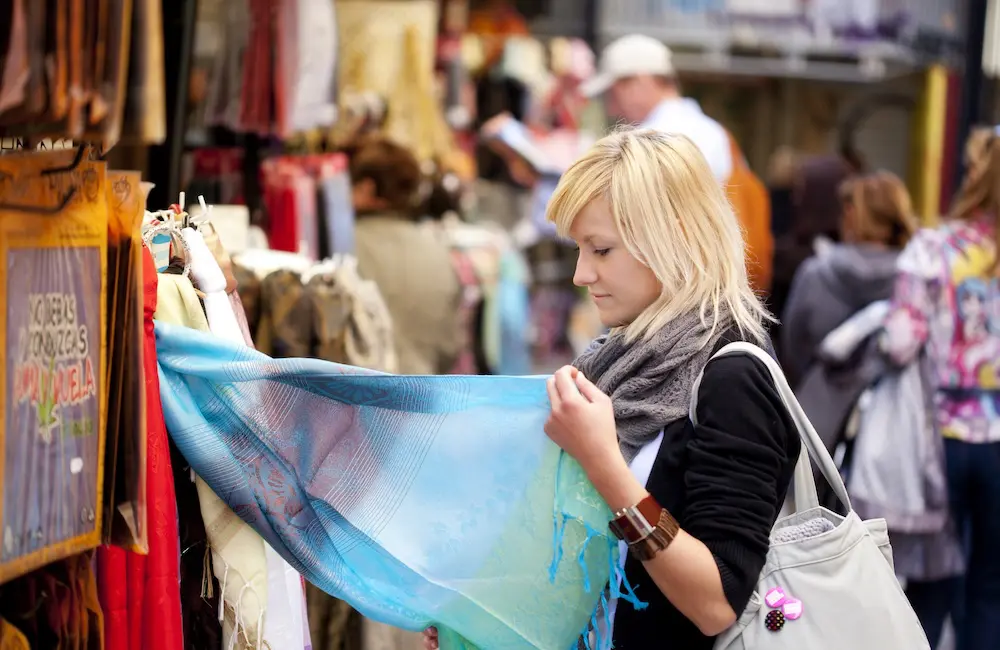
There’s also a quiet comeback of the overseas shopping trip. Travelling out with minimal baggage, knowing you have the option to add luggage for the return leg if needed, gives travellers confidence to shop, without committing upfront. That’s the key shift we’re seeing: travelling light isn’t about going without. It’s about having options. At the heart of this trend is choice. Travellers want the freedom to travel the way that suits their trip, rather than being locked into a one-size-fits-all fare.
This is where unbundled travel models are playing a significant role. The long-held perception that low-cost carriers offer less is challenged by travellers who see value in paying only for what they actually need. Bags, meals, drinks and extras become optional rather than being built into the ticket price, giving travellers more control over both cost and experience.
Scoot has seen this shift firsthand among Australian travellers. The airline’s 10kg cabin baggage allowance reflects how people are choosing to move through airports today and how small choices can make a big difference.
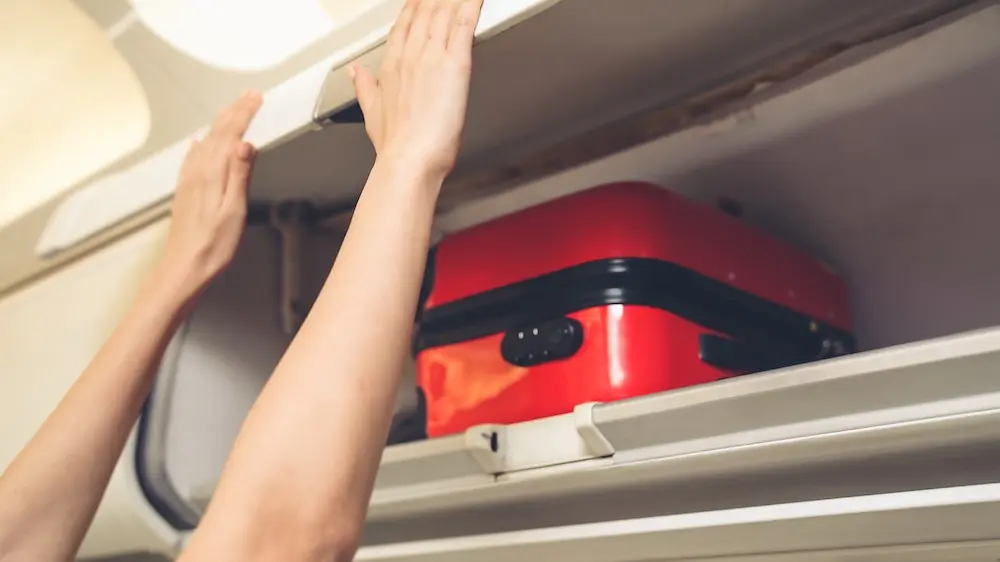
Ultimately, travelling light is about recognising that no two journeys look the same. Some trips suit a simple carry-on, while others call for extra flexibility. What matters most is that travellers can choose what works best for their journey, without being locked into full service bundles.
As travel continues to evolve, freedom and flexibility have become the real luxuries. When packing matches the journey not the other way around – the entire experience feels lighter, simpler and far more enjoyable.