



The Australian Travel Industry Association (ATIA) warns the ongoing Qantas-American Airlines alliance could sideline travel advisors, urging the ACCC to safeguard fair competition and independent distribution in the trans-Pacific market.
ATIA has raised concerns with the ACCC that travel advisors risk being squeezed out of a competitive market under the proposed reauthorisation of the Qantas-American Airlines Joint Business Agreement.
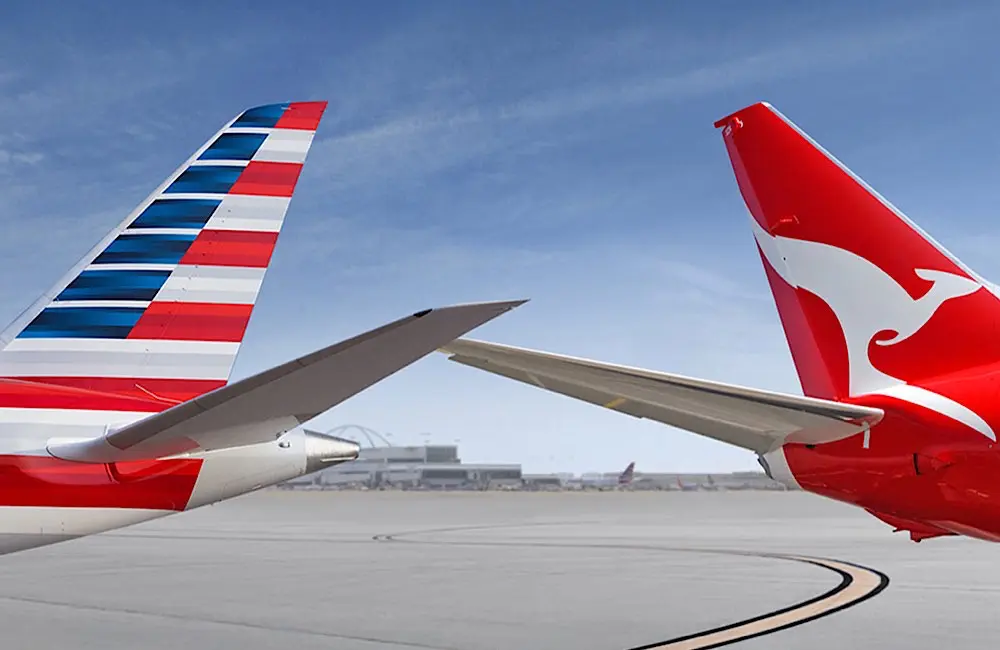
The ACCC recently granted interim authorisation for the Qantas-American Airlines alliance for another five years, with a final determination due in mid-2026, allowing both carriers to continue aligning schedules, flights, pricing and revenue.
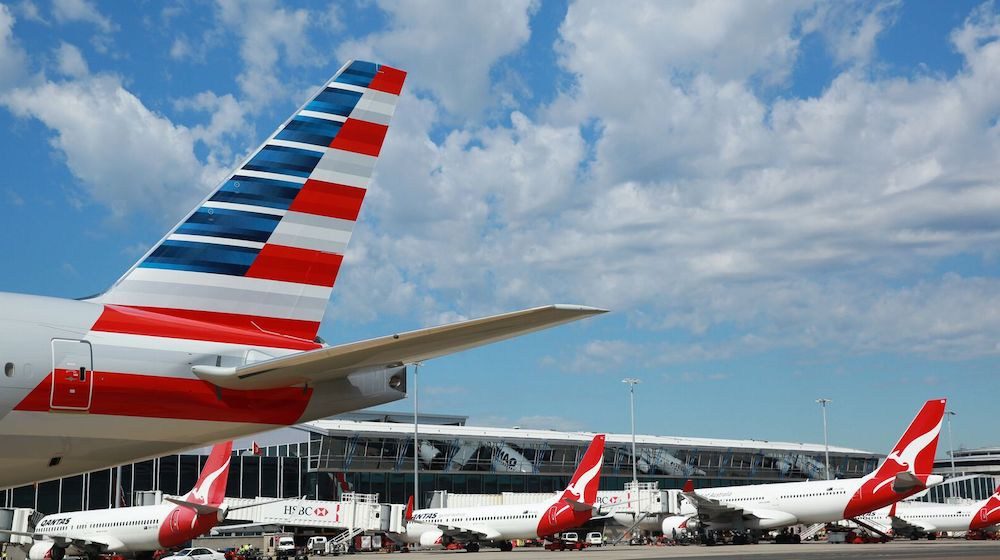
Together, Qantas and American account for 54.5 per cent of the US-Australia market with the codeshare partnership offering increased capacity and improved connectivity, as well as the potential for lower fares.
However, while the alliance enables coordination across flights and frequent flyer programs, ATIA argues it may also extend to how the airlines engage with travel advisors and tour operators.
In a formal submission to the ACCC, the industry body has called for agency distribution strategies to be excluded from the agreement.
ATIA said travel advisors and tour operators play a critical role in maintaining competition by enabling price comparison and product substitution at the point of sale.
The association argues that allowing major airlines to coordinate agency strategies would reduce pressure to offer competitive commissions and fair fare access, making it harder for advisors to secure the best outcomes for clients.
ATIA CEO Dean Long said the organisation does not oppose airline partnerships but is seeking safeguards to ensure travel professionals retain the ability to negotiate independently.
For travel advisors, the outcome of the ACCC’s final determination could directly affect the ability to access competitive fares, negotiate commissions and maintain independence when selling air products.
A more coordinated airline approach to distribution may limit flexibility, while regulatory safeguards could help preserve a fair and competitive selling environment.

“ATIA is committed to a level playing field where all our members, including the 92 per cent of our members who are small businesses, can compete fairly,” Long said.
“The travel trade is responsible for an indirect market worth over $19.6 billion annually, supporting over 19.8 million Australians who choose to book through an expert.
“When airlines coordinate their distribution strategies, it weakens the ability of travel agents to act as independent advisors.
“We are asking the ACCC to put a ‘referee’ in place so that the travel trade can continue to compare, contrast and steer demand based on merit, rather than facing coordinated restrictions from the major carriers,” he said.