



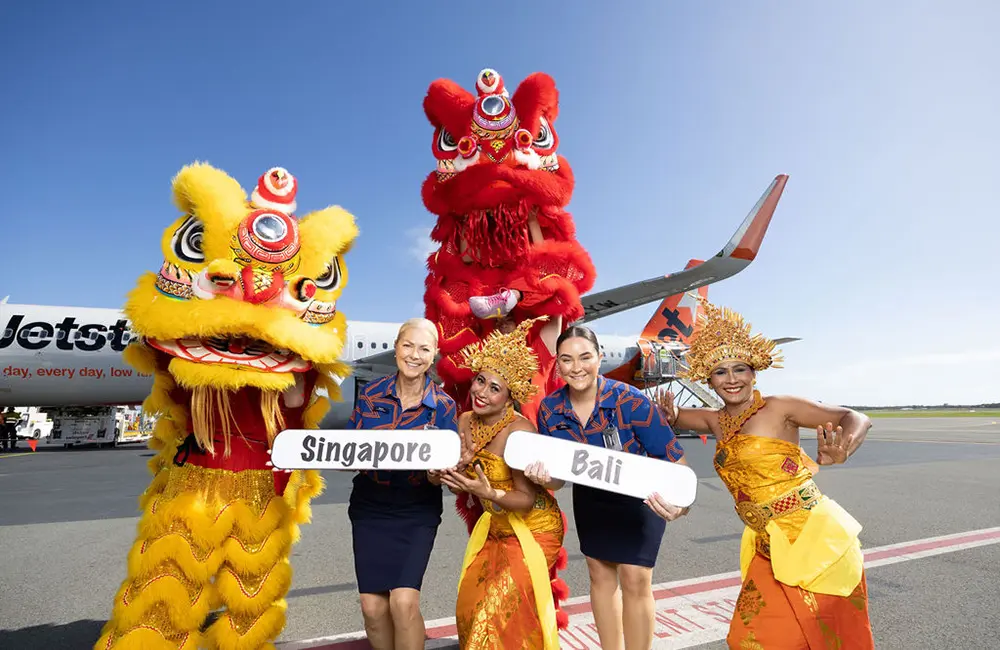
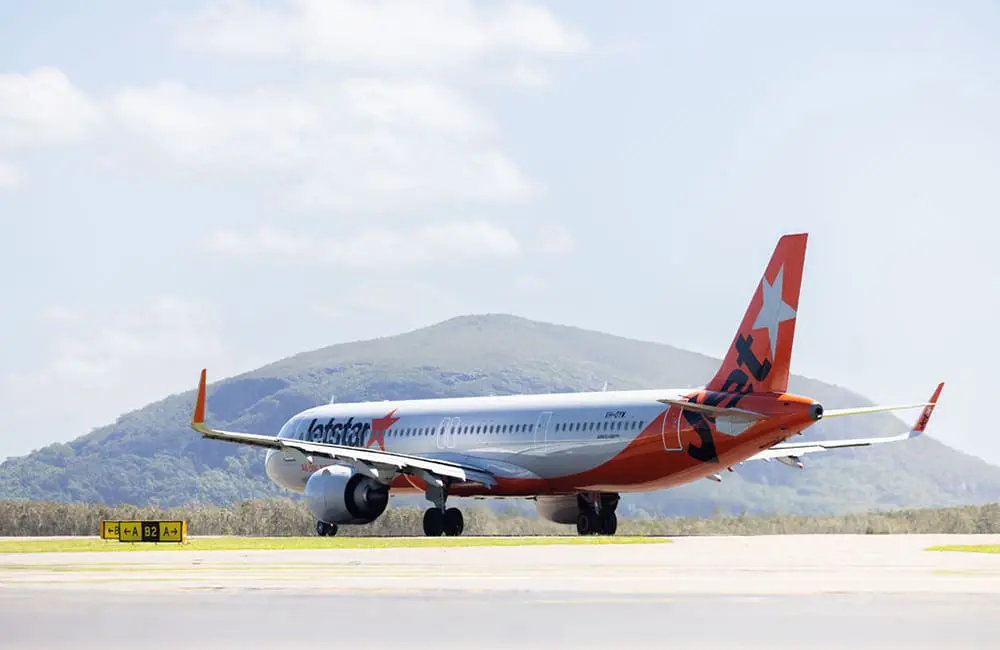
Sunshine Coast Airport saw off its inaugural Jetstar service to Singapore via Bali on 25 March 2026, linking the region to two of Asia’s most popular destinations for the first time and the South-East Queensland hub’s second international route.
The nonstop, thrice-weekly Sunshine Coast to Bali flights will offer more choice and access to and from the region to Bali and Singapore, adding more than 70,000 low-cost seats on this route per year.
Direct flights will initially operate twice weekly from Sunshine Coast Airport (MCY) to Bali Denpasar Airport (DPS) and from Bali to Singapore Changi Airport (SIN).
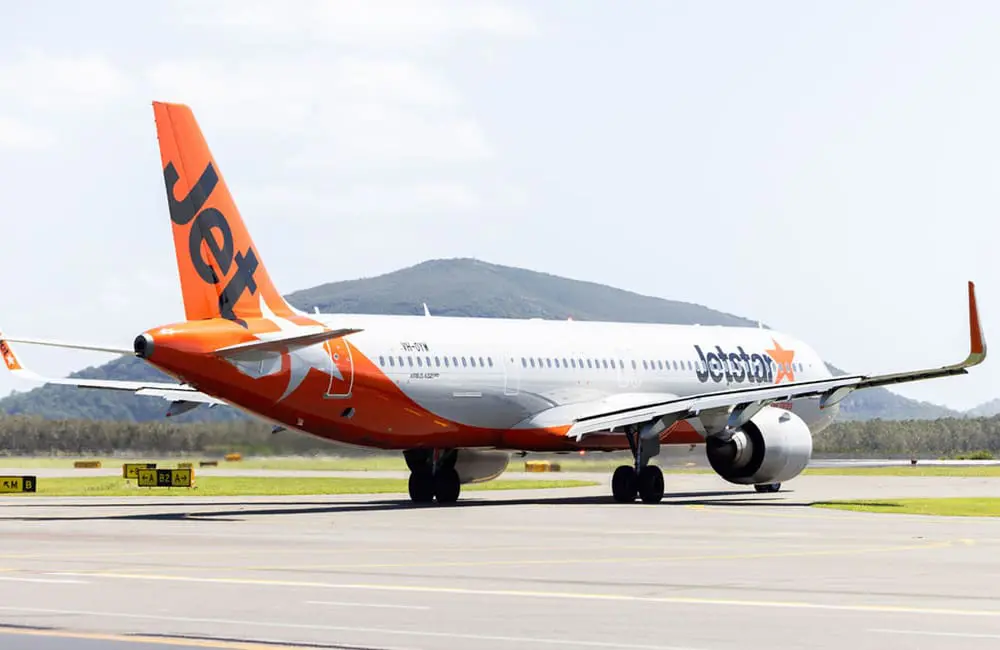
From 29 March 2026, Sunshine Coast-Bali flights will depart MCY at 9:10am on Monday, Thursday and Saturday, landing in DPS at 1:35pm local time. The Bali-Singapore route will depart DPS at 3:05pm, arriving in SIN at 6pm local time.
Sunshine Coast Airport CEO Chris Mills said more than 200 passengers boarded the first of the Sunshine Coast to Bali flights.
“[It] is a proud moment for our airport and our community. Direct services to Bali and through to Singapore strengthen our region’s accessibility and help unlock new opportunities for tourism, trade and investment,” he said.
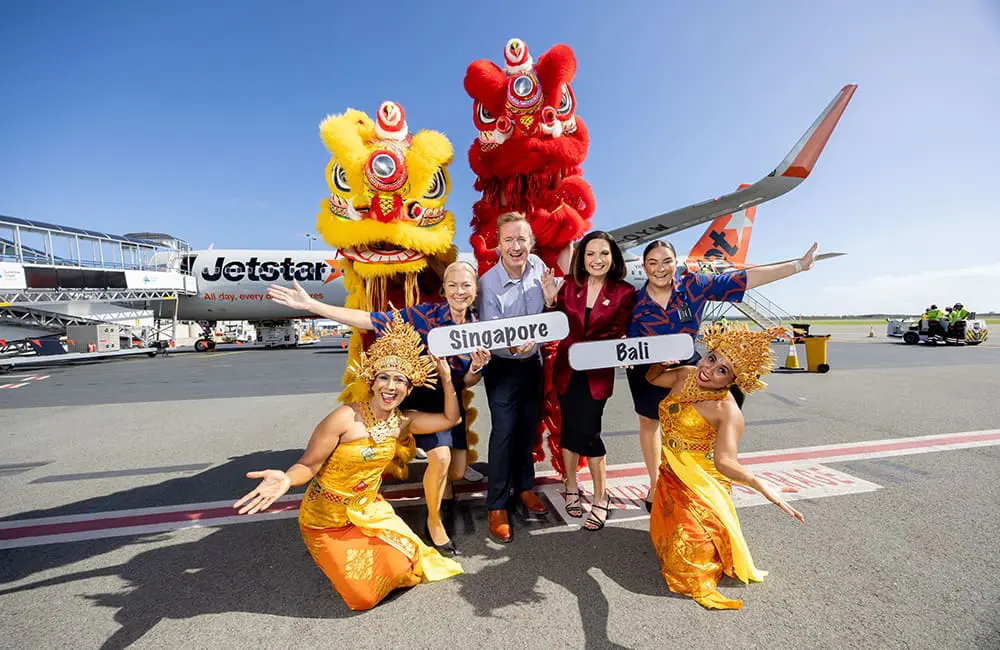
Jetstar Head of Network Fleet Strategy & Planning Ted Knight said the airline is leading the way in opening new international connections with the Sunshine Coast to Bali flights.
“Asia is closer than ever for Sunshine Coast residents and visitors with the inaugural service from Maroochydore to Bali and Singapore,” he said.
“In the time it would usually take to drive to Brisbane, find parking and get to the boarding gate, Sunshine Coast residents will be preparing to land in Bali.”
Jetstar currently operates direct services from Sunshine Coast Airport to Auckland, Adelaide, Melbourne, Sydney and Cairns, making it the Queensland hub’s largest carrier.
KARRYON UNPACKS: The new Sunshine Coast to Singapore via Bali flights signal the airport’s evolution as an international gateway. With Jetstar broadening its footprint, the service shows how secondary airports can build relevance through targeted, high-demand international routes.