



United Airlines CEO Scott Kirby has confirmed he approached American Airlines about a potential merger, revealing plans for what he described as a growth-focused airline powerhouse before the proposal was shut down.
After weeks of speculation around a possible tie-up between two of the United States’ biggest carriers, Kirby detailed the discussions in a lengthy statement outlining why he believed a combined airline could “do something incredible”.
“I approached American about exploring a combination because I thought we could do something incredible for customers together,” he said in a public statement.
But the talks never advanced.
“I was hoping to pitch that story to American, but they declined to engage and instead responded by publicly closing the door.”
That response, according to Kirby, effectively ended the idea “for the foreseeable future”.
The proposed merger would have combined two of the world’s largest carriers at a time when United has aggressively expanded internationally and invested heavily in premium cabins, technology and loyalty programs.
Kirby argued the vision differed from previous airline mergers, which historically focused on cutting costs, reducing routes and shrinking workforces.
“In the past, airline mergers usually have been about two struggling airlines coming together to cut costs, flights and headcount,” he said.
“My aspirations could not be more different.”
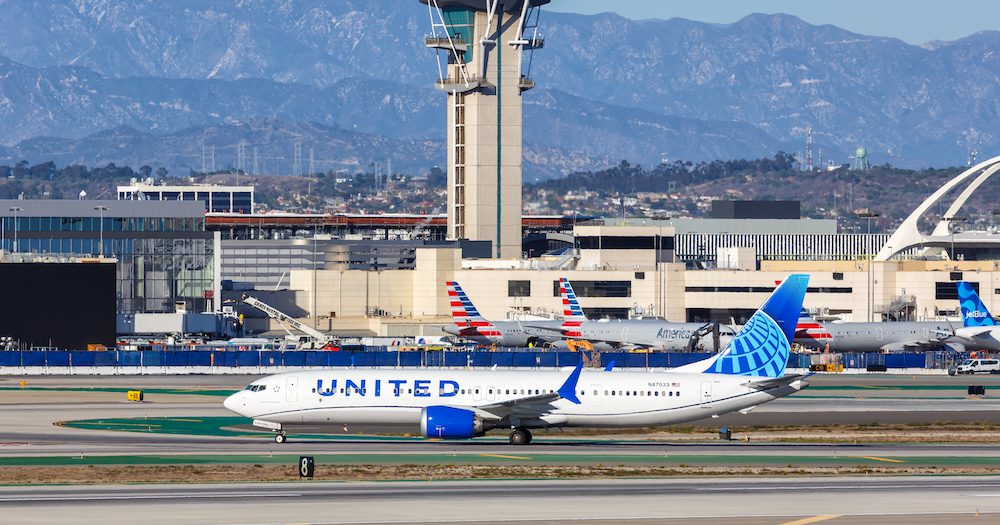
Instead, Kirby positioned the idea as a strategy built around expansion, international growth and stronger competition against foreign airlines.
He claimed a merged carrier would have delivered more international services and expanded connections to smaller communities.
Kirby also suggested the larger carrier could have strengthened the US aviation sector globally, particularly against foreign airlines dominating long-haul travel.
The comments come as United continues to push its premium-focused strategy, investing in newer aircraft, onboard technology and expanded international flying.
While American has not engaged publicly beyond rejecting the approach, Kirby’s remarks offer a rare glimpse into how major carrier consolidation discussions can unfold behind closed doors. For now, though, the prospect of a mega-merger appears grounded.
“Without a willing partner, something this big simply can’t get done,” Kirby remarked.
For Australian travellers and travel advisors, any merger involving US carriers would likely have reshaped alliance partnerships, loyalty benefits, pricing dynamics and long-haul connectivity. Instead, the failed proposal leaves the competitive landscape unchanged for now, as global airlines continue chasing scale, revenue and international networks.
KARRYON UNPACKS: Airline mergers rarely stay confined to the US market. Had this happened, Australian travellers could have felt the ripple effects through alliances, fares, loyalty programs and long-haul competition across the Pacific.