



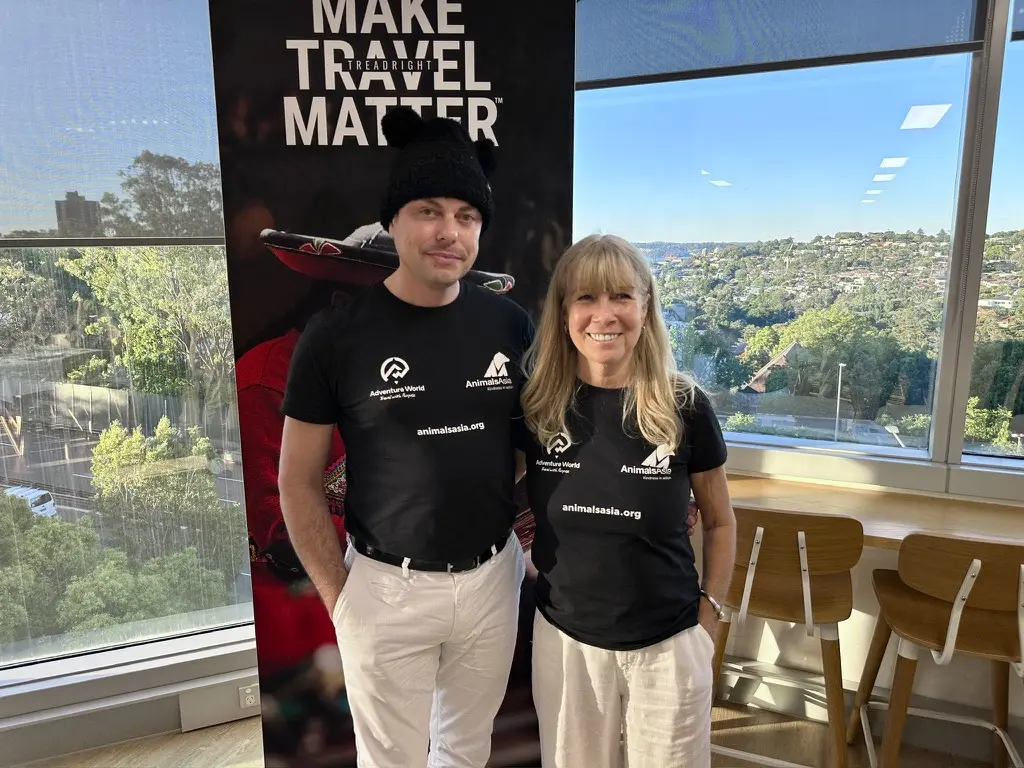
Karryon’s MARK HARADA catches up with Animals Asia Founder (and animal rights legend) Jill Robinson MBE and Adventure World Travel Managing Director Neil Rodgers about Animals Asia’s ongoing mission, its relationship with Adventure World and what the travel industry is getting right (and what it needs to do more of) when it comes to wildlife welfare.
One of the best things about travel is the opportunity it affords holidaymakers to interact with animals they wouldn’t typically encounter. I know the most amazing travel experiences I’ve had have featured wildlife – like safari drives in Africa or viewing schools of dolphins in the Gulf of California.
Experiences like these can open the heart to the plight of animals. They can also highlight how the travel industry provides a platform for shaping perceptions about wildlife – and its treatment. It’s a unique position, and one that many travel companies have come to embrace.
Like Adventure World.
The Travel Corporation brand offers multiple wildlife experiences in its portfolio of tours (think gorillas in Rwanda and polar bears in Manitoba), but its tie-up with the welfare organisation Animals Asia is perhaps the most meaningful.
For more than two decades, Animals Asia – led by charismatic founder and welfare warrior Jill Robinson – has shone the spotlight on the horrifying practice of bile bear farming, specifically in Vietnam.
Over the last few years, Adventure World has joined the cause by leading guests on bespoke trips to Vietnam’s Tam Dao Sanctuary, where hundreds of rescued bears have been given another chance at life.
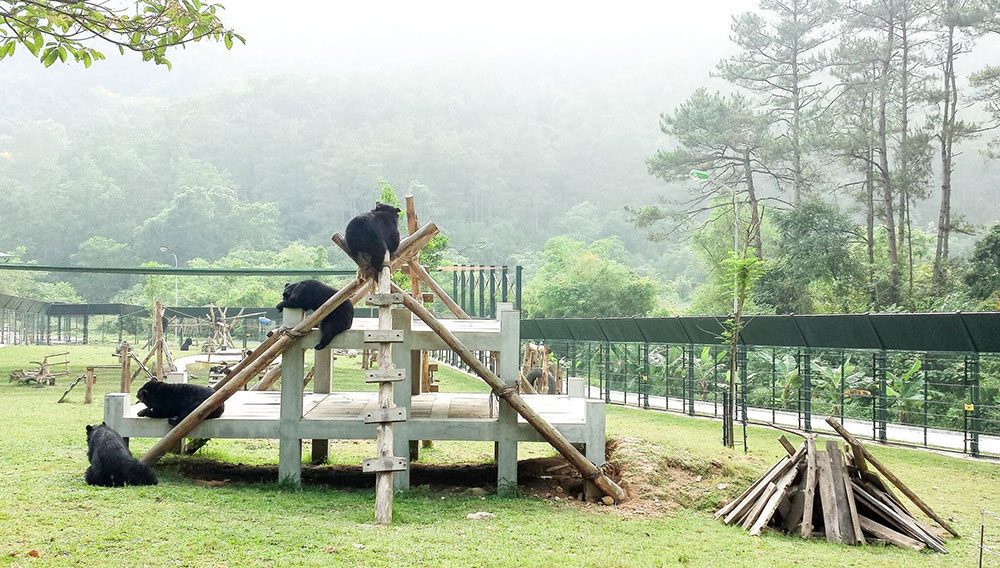
Through firsthand experiences, it’s a partnership that has highlighted the role the travel industry, and travellers, can play in this space.
“We were very cautious about working in the travel industry, because no matter how ethical some agencies maintain to be… something comes up where animals are being exploited,” Robinson tells me in a joint interview with Adventure World Managing Director Neil Rodgers in Sydney.
“But with Neil and Adventure World, we quickly realised that they were totally the real ethical deal, and we’ve never looked back. There’s a genuineness… and that comes out of the conversations that you have. And that has been a real unexpected pleasure of this partnership.”
Animals Asia’s non-travel partners are also “thoroughly surprised to find that a whole travel company is on [its] side”.
For the travel industry, setting out on the right path begins with a common travel trait: curiosity.
“There are no wrong questions when it comes to animal welfare and sustainability. So the travel industry should have the conversation,” Rodgers says.
“It’s been one area that’s not been competitive, [so] it’s wonderful to see an industry come together and to champion what’s right.”
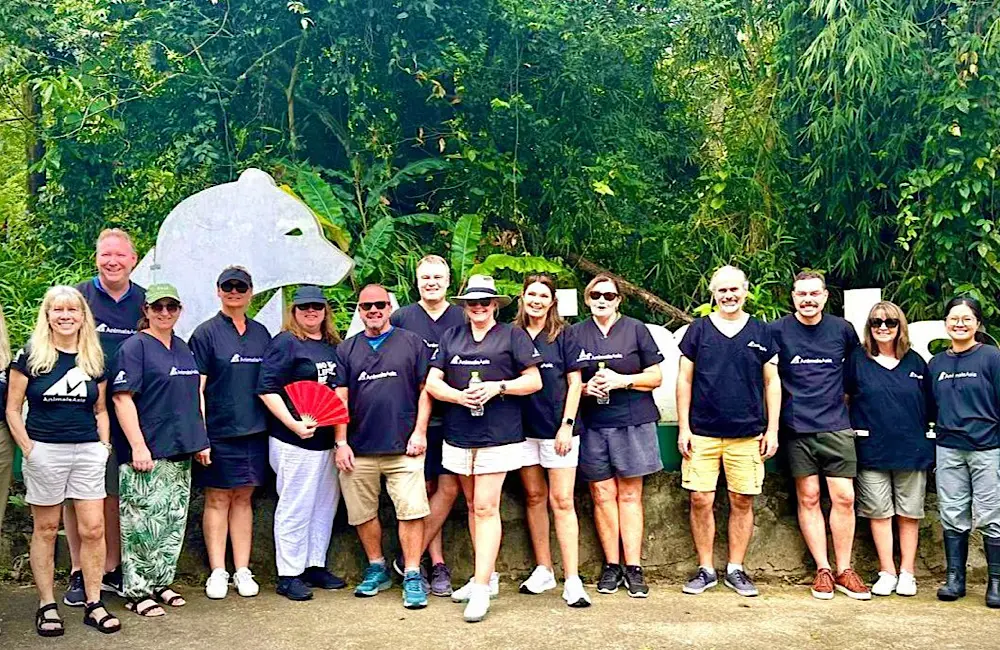
Ultimately, it’s about ongoing learning and a desire to do what’s right.
“Every time I’m with Jill, I look at what other opportunities we can arm our frontline advisors with, educationally,” Neil adds.
“When we were in Vietnam together, and [Jill was] like, ‘Neil there’s that civet coffee’ and I was like, ‘what’s that?’ That’s in the airports. There’s another cause that we could be advising our advisors on… [for] their customers.
“It was not too long ago, we were all seeing Shamu in SeaWorld, which nobody would ever do now; or they’d be walking with lions in some parks. Education… has changed the narrative.”
When it comes to bear sanctuary visits, Adventure World’s customers won’t be challenged with confronting imagery either – they needn’t be, to be moved.
“When people come from Australia or the UK… to where we’re working in Asia, they say, ‘are we going to see anything that’s going to make us sad and make us unhappy?’,” Jill says.
“And because of working with people like Neil at Adventure World Travel, we can just say, ‘look, you’re travelling with the very best company that’s not going to be showing you anything that’s going to be shocking you or upsetting you’.”
“And obviously, when they come to the sanctuary as well, it’s just a place of love and respect – and happy, joyful bears that are bouncing around together.”
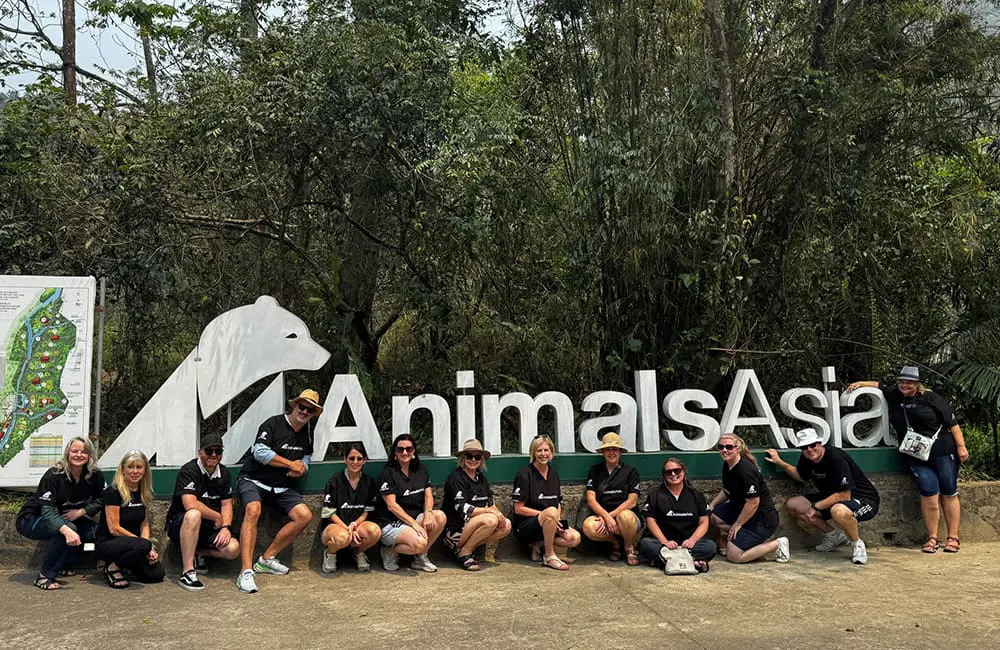
Despite this, Adventure World still wants to “empower” its agency partners with as much information as possible, “just to make you aware this is what [clients will] be doing culturally”.
“Because on a basic business principle, you do not want an unhappy client,” he explains.
“And the power of a travel agent or good advisor is knowing your traveller and what makes them have a wonderful holiday experience.”
Ultimately, though, Neil says, the travel trade and travellers “want to do the right thing”.
“It is very much in the top three [in the] path to purchase. It is a movement that isn’t going away, and people want to travel with brands that they [identify] with.
“At the end of the day, these are great, wonderful experiences. The fact that you’re giving back to the destination and to an organisation… is a win-win. So go for it.”
And if you’re not sure what constitutes harmful behaviour towards animals, Robinson has a few basic pointers.
“We always say, if it feels wrong, then it probably is wrong; if it looks wrong, it probably is wrong.”
“We all know, subconsciously, that there must be an element of exploitation. As Neil says, if you’re looking at a box of civet coffee with a civet on it, your mind must tell you something doesn’t feel quite right.
“It’s all very well being told what to do or told about it, but we need to use our instincts a little bit more as well and just start to question.
“We’ve all got iPhones, look, what does civet coffee really mean to the animals that are on that box, and you very quickly find the answer.”
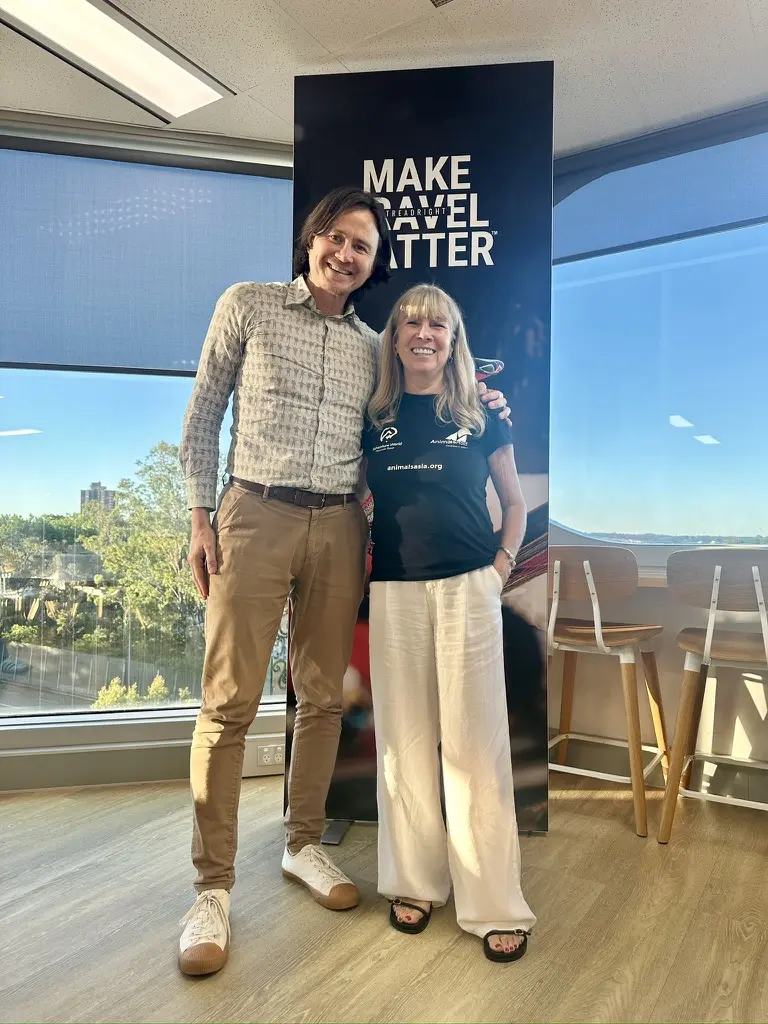
As for Animals Asia, its work will continue in other countries, despite nearing the end of its original mission – a journey that will come “full circle” in late 2026.
“We’ve just achieved our founding goal, which was to end bear bile farming, and that’s happened now in Vietnam,” she says, referring to memoranda of understanding with the Vietnamese government, “who have been so amazing over these last few years”.
“Not just that, but we’ve brought the country along with us, which was very important. We didn’t want to be seen as cultural imperialists – it’s very important for us to work deep within the community in Vietnam.
“There’s still bear farming in existence in other countries. But the most exciting thing is that there’s been a real mindset change.”
And that’s among travellers and the travel trade as well.
For more information on Animals Asia, visit www.animalsasia.org.