



The Middle East travel map is shifting again, with Australia tightening advice for two once low-risk Gulf stopovers.
The Department of Foreign Affairs and Trade (DFAT) has raised its travel alert level for Qatar and Oman amid ongoing tensions in the Middle East.
The two nations were previously the only countries in the region sitting at the lowest travel alert level (one) – “Exercise normal safety precautions”. That has now changed, mostly due to the escalating civil unrest in Iran and threats by the US of a military intervention in the country.
“We’ve reviewed our advice for Qatar and have raised the travel advice level. We now advise exercise a high degree of caution due to the security situation in the region,” DFAT states on its Smartraveller website.
The new warning comes after the US withdrew some personnel from military bases in the Middle East, including in Qatar, for fears of a retaliatory attack by Iran, the ABC reports.
The government says “the security situation in the Middle East is unpredictable”.
“Conflicts in the Middle East could lead to an increase in tensions elsewhere in the region and may result in airspace closures, flight cancellations and other travel disruptions,” the department states.
Beyond travel disruptions, DFAT warns Aussies to “avoid all demonstrations and protests”.
“Prioritise your safety, monitor events and follow local advice. Demonstrations and protest activity may also occur, and local security situations could deteriorate with little notice,” it states.
In June 2025, the Federal Government upped its advice for Qatar – a popular stopover among Australians enroute to Europe – to level two, but lowered the travel alert level again in early August.
Eye on Oman

DFAT’s update for Oman, generally considered a safe and desireable destination, follows similar advice for Qatar.
“We now advise exercise a high degree of caution overall due to the security situation in the region,” it states.
While overall advice for Oman now sits at level two, the government continues to advise Aussies to “reconsider your need to travel” to areas bordering Yemen “due to the threat of armed conflict and violence”.
“International terrorist groups are active in the Arabian Peninsula. Attacks against targets in Oman may happen,” it states.
“Monitor local media for updates and follow the advice of authorities.”
Like Qatar, Oman advice was raised In June 2025 before it was lowered again several weeks later.
Blanket updates
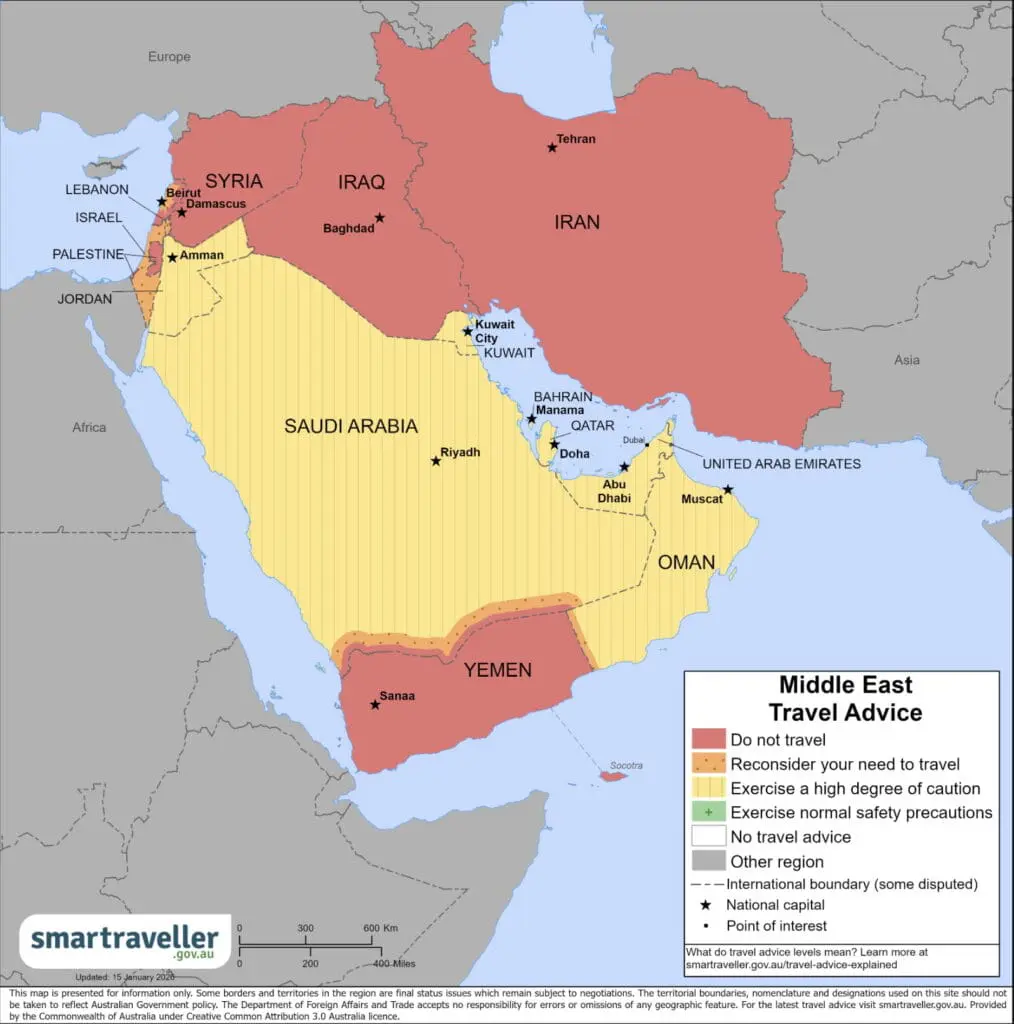
On Thursday, Smartraveller also updated its travel alerts to every other country in the Middle East region, including popular stopover points and holiday destinations like Egypt, Jordan, Türkiye and the United Arab Emirates (including Dubai and Abu Dhabi). However, the overall advice for these nations remains at level two – “Exercise a high degree of caution”.
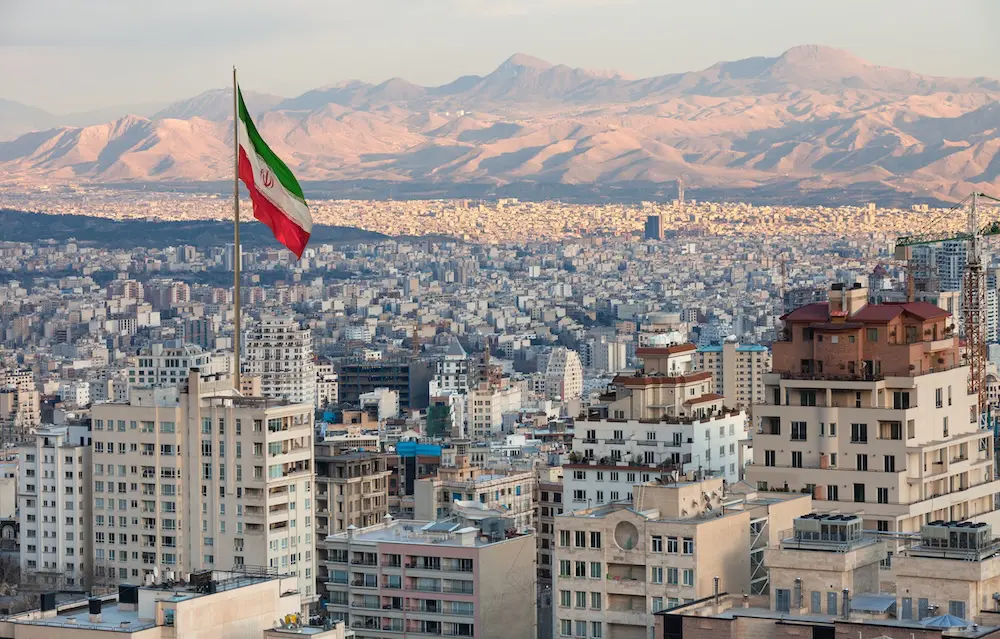
The new travel alerts come just days after the Albanese Government issued a fresh warning for travel to Iran as numerous airlines cancelled flights amid tensions in the region. DFAT’s overall travel advice for Iran remains at the highest level (four), “Do not travel”.
According to Al Jazeera, Iranian airspace was temporarily closed this week following threats against Iran by US President Donald Trump.
The closure mostly occurred overnight Wednesday into the early hours on Thursday (local time), US Federal Aviation Administration (FAA) notices show.
During the shutdown, many airlines were forced to take wide berths around Iranian airspace, including at least one Qantas flight between Australia and Europe.
KARRYON UNPACKS: For agents, these travel alerts matter. Think careful pre-trip advice, flexible routings and proactive client comms as Middle East volatility affects airspace, schedules and traveller confidence.