




While we love tap-and-go technology for payments on the go, cash travel trends show most Australian travellers still prefer to carry foreign currency when travelling overseas.
The inaugural Travelex Travel Money Insights Report reveals 84 per cent of Australians use cash abroad, compared to 42 per cent using credit cards and 22 per cent relying on debit cards.
While digital payments remain popular at home, with cash estimated to make up less than 10-15 per cent of domestic transactions in Australia last year, the data shows travellers use a mix of payment methods internationally with most combining cash and cards for flexibility, security and peace of mind.
One in 10 Australians says they rely exclusively on cash when travelling overseas. Prepaid travel money cards are also gaining traction with Travelex reporting a 15 per cent year-on-year increase in reloads of the Travelex Travel Money Card in Australia during 2025.
Cash travel trends continue to favour physical money due to its reliability across destinations, particularly for small purchases and in regions where card acceptance may be inconsistent.
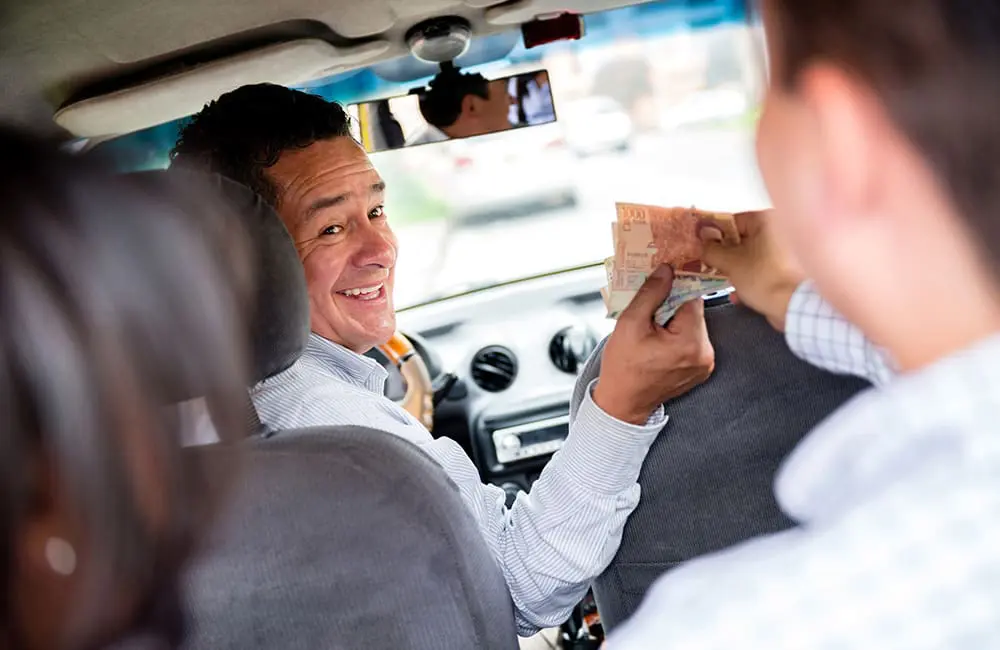
Travelex CEO Philip Bowcock said cash still plays a critical role in travel spending behaviour with 79 per cent of Aussies using cash for small purchases when travelling.
“Cash remains vital for small items like tipping and taxis, while many travellers have reservations over cards being accepted and potential fees,” he said.
The findings also highlight a growing preference for forward planning with travellers increasingly organising their travel money well before departure.
Almost half (49 per cent) of respondents said they acquire foreign currency at least a month before travelling, while only three per cent leave it until the day of departure.
Almost all (92%) of Aussies will return home with leftover foreign currency after their trip – more than half will keep it for future travel.
Collectively, Australian travellers hold approximately AUD$1 billion worth of unspent foreign currency, according to Accor research.
The report, which used Travelex revenue data across 12 months and surveys, also highlighted a shift in how travellers acquire travel money.
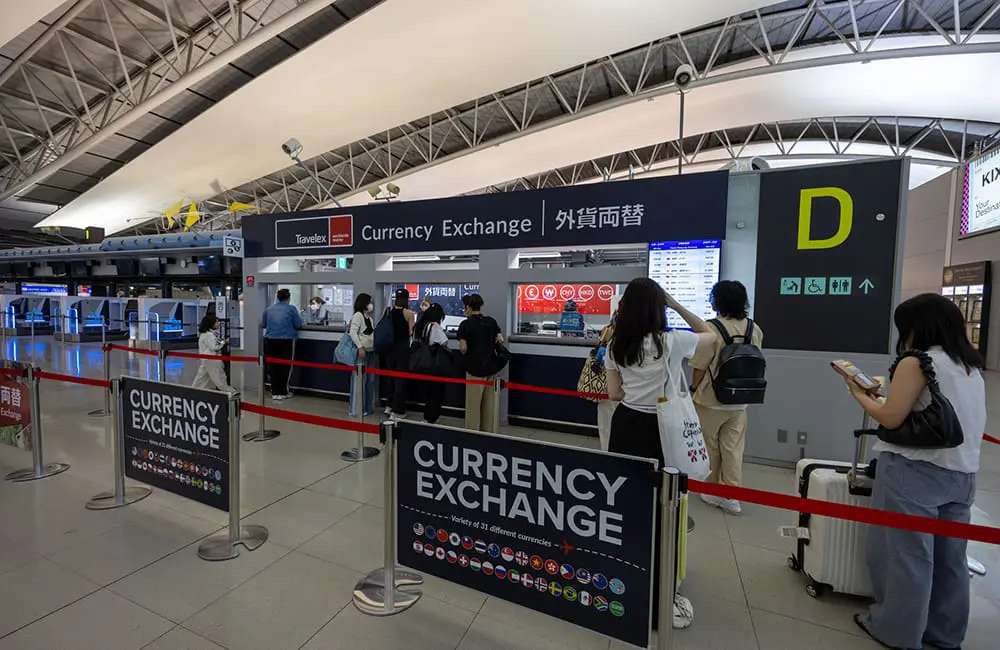
It found most travellers are moving away from the traditional currency purchases at the point of departure, like an airport, and instead, trending towards pre-trip planning and acquiring their travel money in the weeks and months before travel.
Almost half (49%) plan to acquire their travel money a month or more before they travel – only three per cent of those surveyed say they purchase their travel money on the day of departure.

Travelex cash travel trends data also points to shifting destination demand with double-digit growth in purchases of Sri Lankan rupees and Vietnamese dong among Australian travellers.
This aligns with the rising popularity of emerging Asian destinations, where cash usage is often more prevalent and reinforces the importance of advising clients on destination-specific payment norms.
For advisors, integrating travel money guidance into the booking journey can add value, improve client confidence and support a smoother on-ground experience.
KARRYON UNPACKS: Cash travel trends show that even in a digital world, physical currency remains essential abroad, giving travel advisors a practical way to add value through smarter pre-trip financial guidance and ancillary products.