Book now, pay now: Latest advice as fuel prices and flight cuts shake up corporate travel plans
Corporate travellers are being urged to lock in flights early and pay upfront as rising fuel costs, airspace disruptions and reduced airline capacity continue to reshape global business travel.
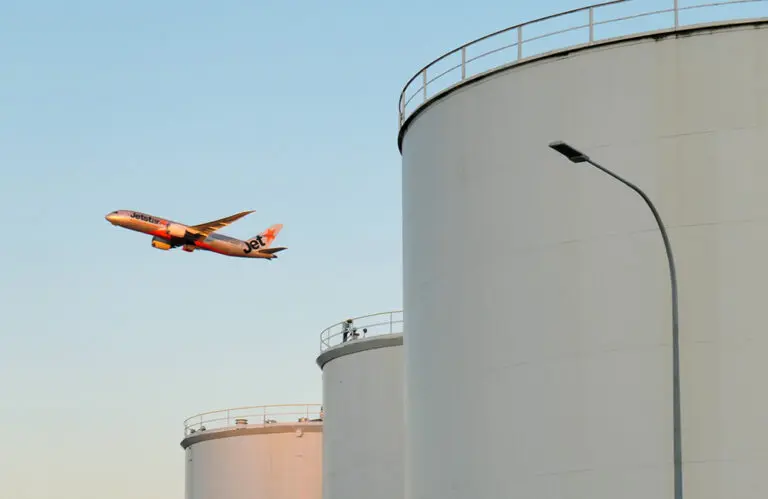
Corporate travellers are urged to book and pay early as fuel costs, airspace disruptions and limited airline capacity reshape global business travel. Image: Sze kiat Koh/iStock
Corporate travellers are being urged to lock in flights early and pay upfront as rising fuel costs, airspace disruptions and reduced airline capacity continue to reshape global business travel.
Corporate Traveller Global Managing Director Tom Walley said shifting travel patterns linked to the Middle East conflict and airspace closures are placing increased pressure on airline capacity.
“Seats on many key routes are being snapped up faster than usual. We’ve seen some routes are now running with load factors over 90 per cent with a lot more traffic going through Asia than before,” he said.
▼ ADVERTISING ▼
▼ ADVERTISING ▼
Corporate Traveller is seeing limited availability on key international routes, particularly to Europe. Image: Shutterstock
Walley advised businesses to secure flights as soon as travel is approved, warning that delays can lead to limited availability and volatile pricing.
“Book now and pay in full now – that’s the best guarantee you can give yourself. Business travel doesn’t stop, but the way it’s managed can make all the difference,” he said
With rerouted flights and reduced direct services, journey times are increasing, making itinerary planning more complex.
Corporate Traveller Global MD Tom Walley.
Walley noted that flexible fares are becoming essential, rather than optional, in managing disruption risk. He also recommends building extra buffer time into itineraries to accommodate delays and schedule changes.
“Instead of seeing flexible fares as a luxury, this is actually a smart tool for managing both cost and risk,” he said.
“The financial impact of changing a non-flexible ticket or managing unexpected disruptions can quickly outweigh any upfront savings.”
Corporate travel remains resilient, but companies may need to adjust how they plan and manage itineraries and budgets. Image: Shutterstock
The advice comes as the Federal Government reduced fuel excise by 5.7 cents per litre from 2 April 2026, following an earlier 26.3 cents per litre cut, bringing total reductions to 32 cents per litre.
While this may ease some cost pressures, the ACCC is monitoring fuel prices to ensure savings are passed on to consumers and is also closely watching how airlines respond to ongoing geopolitical tensions impacting international travel as industry experts call for more aviation support.
For travel advisors and corporate travel managers, proactive booking strategies, flexible fare selection and expert planning are now critical to navigating an increasingly complex global travel environment.
KARRYON UNPACKS: Corporate travel isn’t slowing, but it is shifting. Advisors who prioritise early booking strategies and flexible fares will be best placed to protect client budgets and maintain seamless travel experiences.