



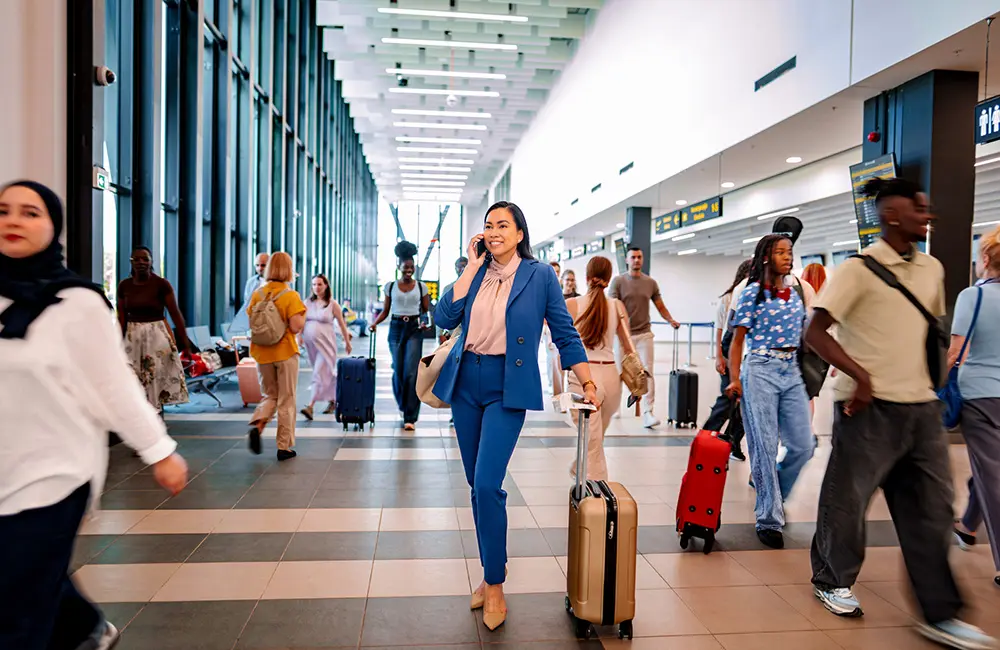
Australian small and medium businesses ran SME travel programs as complex as major corporates in FY26 but without the headcount to manage them, according to Corporate Traveller‘s year-end data.
Multi-stop itineraries, international routes and logistically demanding trips, once the preserve of large corporates, have become routine for lean SME teams with no dedicated travel manager, the Flight Centre Travel Group SME specialist reports.
Travel and expense management ranked as a top priority for 76 per cent of Corporate Traveller’s SME travel customers in FY26, drawn from the Flight Centre Corporate State of the Market Survey 2025.
Despite economic headwinds and a year of global uncertainty, the appetite for face-to-face connection held firm.
Why rising costs did not ground SME travel

Corporate Traveller Global Managing Director Tom Walley said businesses recalibrated rather than retreated.
“People want to meet in person. The value of sitting across the table from a client, or getting a whole team in the same room, still outweighs the cost and the effort to get there,” he said.
“The complexity of travel has well and truly caught up with SMEs. But the headcount to manage it hasn’t.”
The bleisure shift kept growing

Three-quarters of SMEs reported their employees combined business and leisure travel at some point during the year with some adapting their policies to support the rise in bleisure travel.
For many travellers, tacking personal time onto a work trip has become a practical way to spread annual leave, decompress after an intensive schedule and experience the places their jobs take them.
“It’s one thing to fly in, do your meetings, and fly straight back out. It’s another to give yourself a couple of extra days to unwind, explore a new city, and come home feeling like the trip was worth it: for you, not just the business. We’re seeing more companies formalise that, and it’s good for everyone,” Walley said.
What FY27 has in store for SME travel

Walley expects businesses to focus harder on the policies, technology and processes that make every travel dollar work with compliance crucial and return on investment under scrutiny.
He said disruption is now a permanent feature of business travel rather than an occasional one, citing geopolitical tensions, severe weather events and visa rule overhauls.
“You can’t predict disruptions, but you absolutely can prepare for them. That means a rock-solid travel policy, 24/7 emergency support, and someone in your corner who can rebook a flight at midnight, navigate a visa crisis, or find you an alternative route home when the world is upside down,” Walley said.
Premium cabins and the productivity case
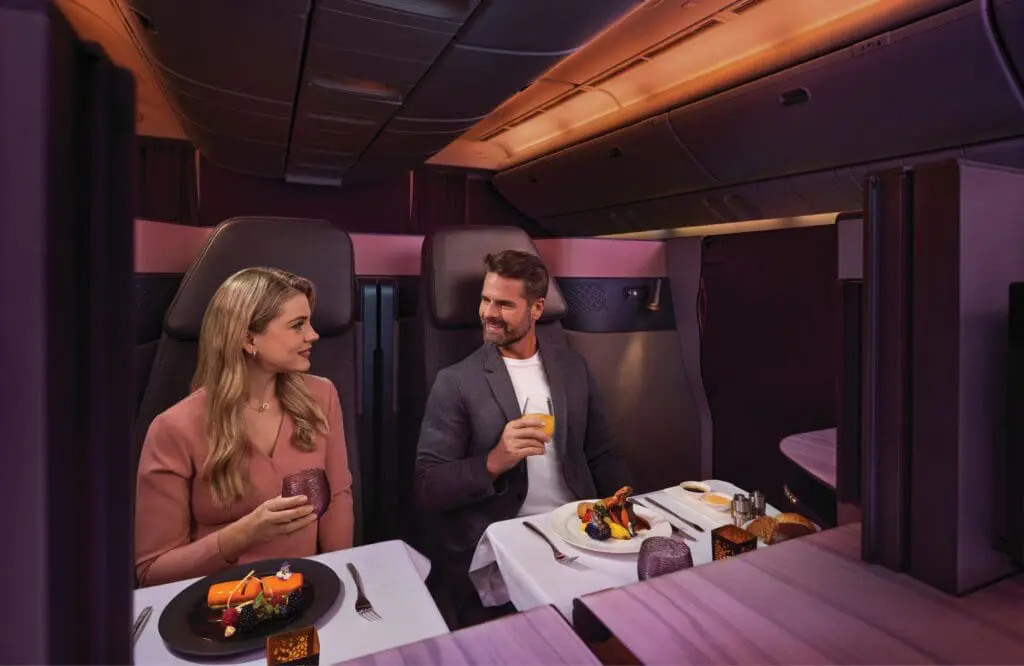
Corporate Traveller recorded steady growth in premium cabin bookings as businesses backed the logic that a rested traveller performs better and airlines added more premium options across key business routes.
On the expense side, manual reconciliation accounts for roughly 30 per cent of finance teams’ time, while spending leakage through out-of-policy purchases and manual errors runs at 8 to 12 per cent, figures that Walley said drove the launch of CT Pay in the ANZ market.
“The last thing a weary traveller wants to do after a long trip is hunt down receipts and lodge expense claims. Getting that friction out of the process is just as important as getting the booking right in the first place,” he said.
KARRYON UNPACKS: Corporate Traveller paints a picture of SME clients carrying corporate-grade complexity without the same level of support, exactly the gap a managed travel relationship is built to fill. With bleisure now standard and premium cabins on the rise, leisure and corporate travel are blending into one booking for advisors.