



Australia’s number one beach for 2026 does not require a 4WD, a survival plan or a mate guarding their ‘secret spot’. It requires an Opal card and a quick trip on Sydney’s T4 line.
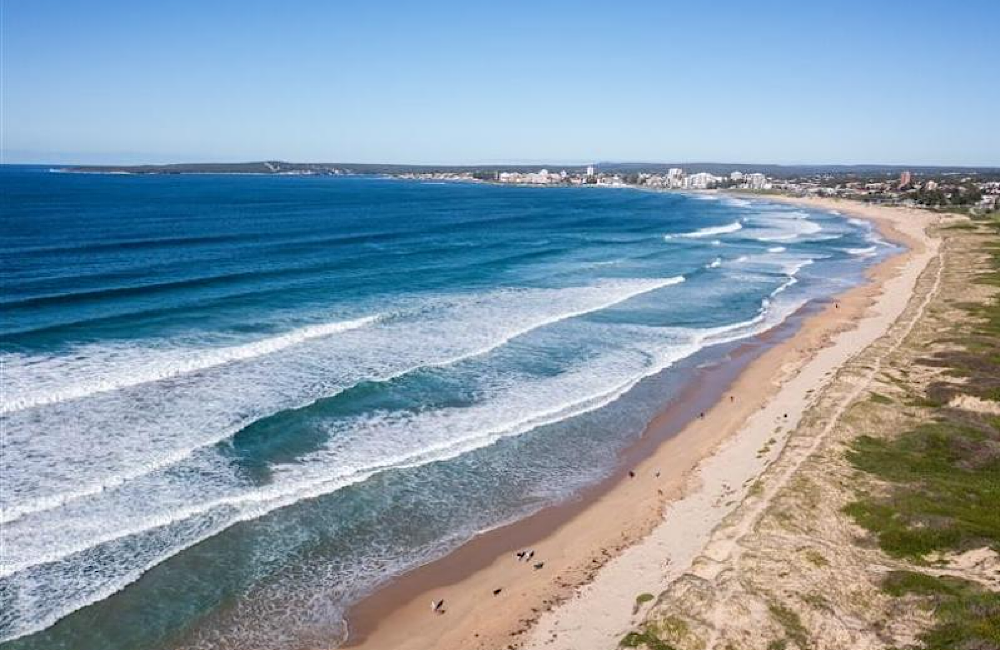
Bate Bay, the connected run of beaches around Cronulla, has taken the top position in Brad Farmer AM’s annual Best Australian Beaches list, released this week. The result replaces 2025 winner Bay of Fires in Tasmania and puts a metropolitan beach system at the top of the national rankings.
Bate Bay covers nine beaches across a 4.8‑kilometre coastal sweep: Greenhills, Wanda, Elouera, North Cronulla, South Cronulla, Oak Park and adjacent sections, alongside four ocean pools and the sheltered waters of Gunnamatta Bay.
The coastline forms Sydney’s longest continuous stretch of sand. Farmer assessed more than 12,500 beaches nationwide using a 130‑point criteria that includes environmental condition, access, safety, facilities and surrounding character. He described the Bate Bay collection as “community‑minded” and said it “ticked almost every box”.
“With glorious golden sands and a cosmopolitan vibe, this picturesque stretch of coastline feels like a hidden gem right under your nose but is easily accessible by train from the city centre,” Farmer said.
Where is it and how do you get there?
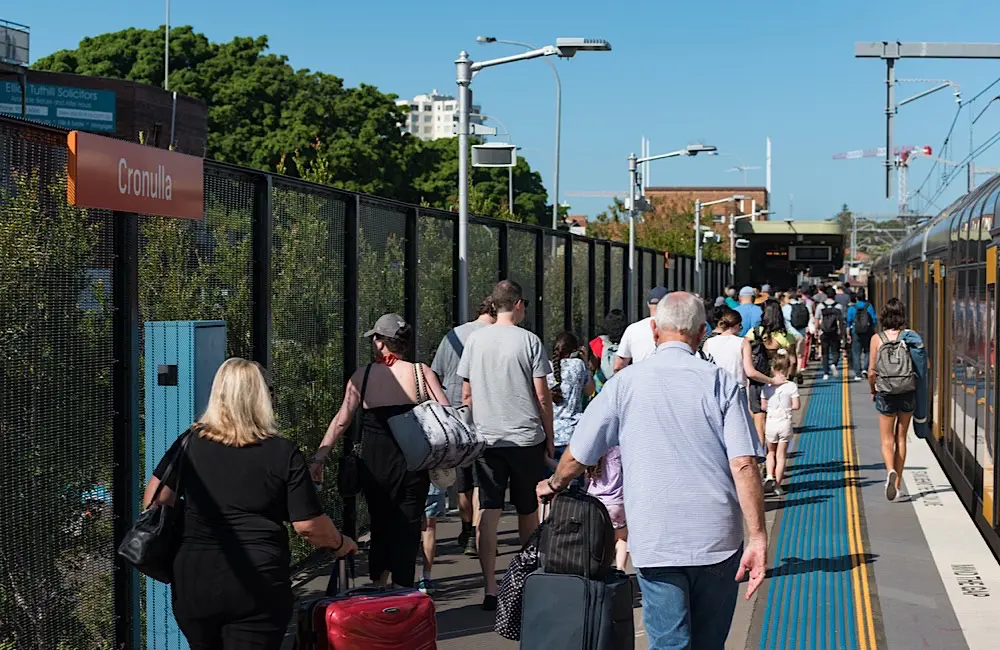
Cronulla sits about 26 kilometres south of Sydney CBD. It is the only Sydney ocean beach directly accessible by train, via the T4 line to Cronulla Station. The station is within walking distance of South Cronulla Beach.
Parking is available across the precinct and remains free in many areas. The ranking announcement specifically referenced ease of access as part of the area’s appeal.
Who else made the top 10?
The 2026 top 10, ranked in order, is:
- Bate Bay Beaches, New South Wales
- Pinky Beach, Western Australia
- Beachcomber Cove, Queensland
- Tallow Beach, New South Wales
- Hellfire Bay, Western Australia
- Godfreys Beach, Tasmania
- Inskip Point, Queensland
- Mount Martha, Victoria
- Smoky Bay, South Australia
- Ellery Creek Big Hole, Northern Territory.
The inclusion of inland and still‑water locations reflects the study’s broader definition of where water meets shore.
Why does this matter beyond Sydney?
Tourism Australia has consistently positioned beaches as central to the country’s international appeal.
Tourism Australia Managing Director, Robin Mack, emphasised the importance of the list in driving regional tourism and showcasing the breadth of Australia’s natural beauty.
“Our beaches are a key part of our international brand, and this year’s study brilliantly showcases the incredible diversity of our coastline and beaches,” Mack said.
“From the stunning sands of Bate Bay in NSW and Pinky Beach in WA to the iconic backdrop of The Nut in Tasmania and Ellery Creek Big Hole in the NT, these locations encourage both Australians and international visitors to explore more of Australia beyond the traditional hotspots.”