


For Australian skiers this winter, the real shock may not be the snow conditions, but the price tag that comes with them. What looks like a quick, convenient domestic getaway is increasingly turning into one of the most expensive ways to ski.
New figures from travel wallet YouTrip reveal just how stark the comparison has become, showing that the daily cost of skiing in Australia can rival, and in some cases exceed, what travellers pay per day on longer, more immersive trips to Japan or China.
Once lift passes, accommodation, food, transport and hire are added up, a three-day trip in the Australian snow can cost close to $600 a day on the slopes. In parts of Japan and China, a full week can come in hundreds of dollars cheaper per ski day.
The domestic ski weekend is starting to look expensive
For many Australians, a quick trip to the snow has always felt like the easier option. No international flights. No passports. No major planning. Just load the car, drive to the mountains and hope the conditions play along.
But convenience comes at a cost.
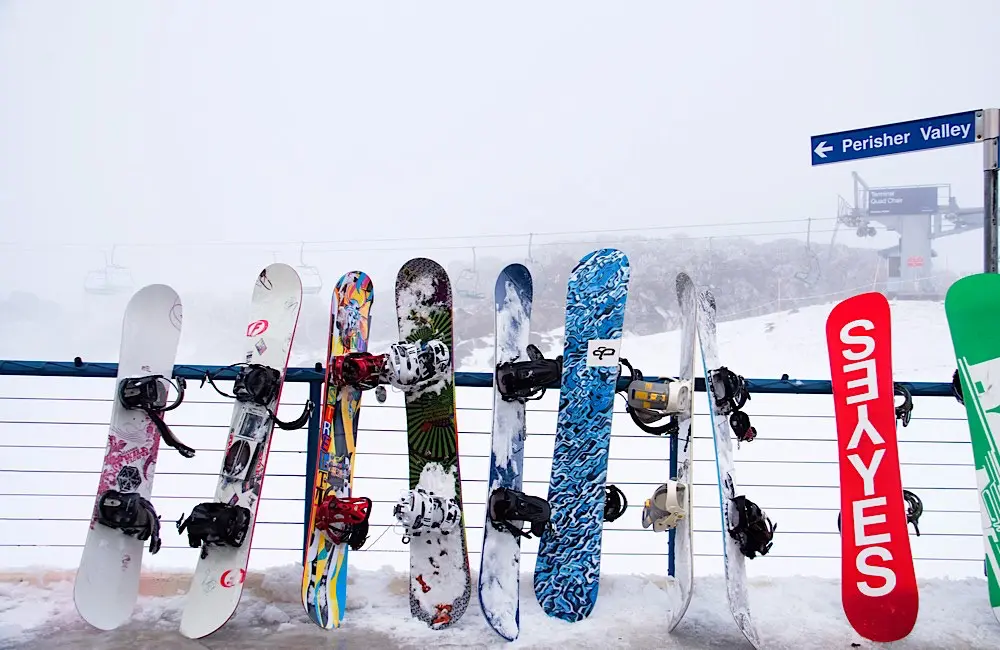
According to YouTrip’s mid-range estimates, a three-night trip to Perisher costs around $1,850 per person, based on two adults sharing, driving from Sydney and skiing for three days. Thredbo comes in slightly lower at around $1,781 per person.
That makes Australia cheaper in total than travelling overseas. But only because the trip is much shorter.
When the cost is broken down by ski day, Perisher works out at around $617 per day, while Thredbo comes in at around $594 per day.
That is where the comparison starts to bite.
A week overseas can cost less per ski day
YouTrip compared those domestic figures with seven-night trips to Japan’s Myoko Kogen and Hakuba, and China’s Yabuli and Altay.
A week in Myoko Kogen is estimated at around $2,889 per person, while Hakuba comes in at $3,047. China’s Yabuli is estimated at $3,275, while Altay sits at $2,911.
On the surface, Australia still looks cheaper. But the overseas trips include more than double the time away.
Broken down by ski day, Myoko Kogen comes in at around $413 per day and Hakuba at $435. In China, Yabuli works out at around $468 per day, while Altay comes in at $416.
Put simply, travellers may be spending around $1,000 to $1,500 more in total to go overseas, but they are getting seven nights away, more time on the mountain and, in many cases, a lower daily cost.
For advisors, that is the sell. Not that Japan or China are “cheap”, but that the value equation can look stronger once clients compare like for like.
Lift passes are the clearest gap
The biggest difference is not accommodation or even food. It is lift passes.
YouTrip estimates three-day lift passes at around $660 for Perisher and $630 for Thredbo.
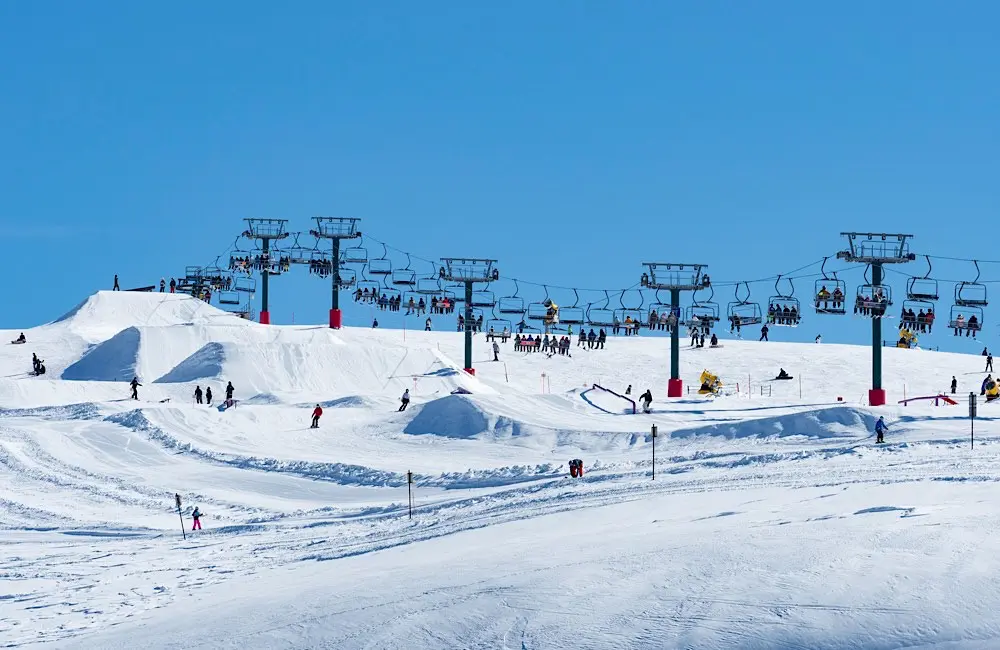
In Japan, the total lift-pass cost for seven days is lower than the Australian three-day total. Myoko Kogen is estimated at around $385 for the week, while Hakuba is around $364.
China is more expensive than Japan on lift access, with Yabuli estimated at $714 and Altay at $700 for the week. But across seven days, that still comes in at around $100 to $102 per day, less than half the daily lift-pass cost of the Australian examples.
For clients who look only at the total holiday cost, Australia may seem like the obvious short-break choice. For clients who ski hard and care about time on the mountain, Japan and China become harder to ignore.
Food costs change the equation too
Then there is the cost of eating on the mountain.
YouTrip estimates food and drink at around $438 for a three-night Perisher trip and $423 for Thredbo. Across three ski days, that is around $140 to $146 per day.
For a week overseas, the total food and drink estimates are lower in several cases. Myoko Kogen comes in at around $294, Hakuba at $385, Yabuli at $406 and Altay at $301. Broken down by day, that is closer to $42 to $58.
Of course, travellers can spend more. Japan is not short on excellent restaurants, and China’s ski destinations will vary depending on resort, itinerary and traveller style. But for families, groups and cost-conscious skiers, the daily food spend is one of the easiest places to feel the difference.
A bowl of ramen after skiing is not just more appealing than another overpriced tray meal. It may also be doing less damage to the budget.
Flights are the trade-off
The obvious cost Australia avoids is international airfares.
YouTrip estimates flights at around $1,100 for Myoko Kogen and Hakuba, $1,000 for Yabuli and $950 for Altay. That is the main reason the Australian trips still win on total price.
But flights also turn the trip into something bigger.
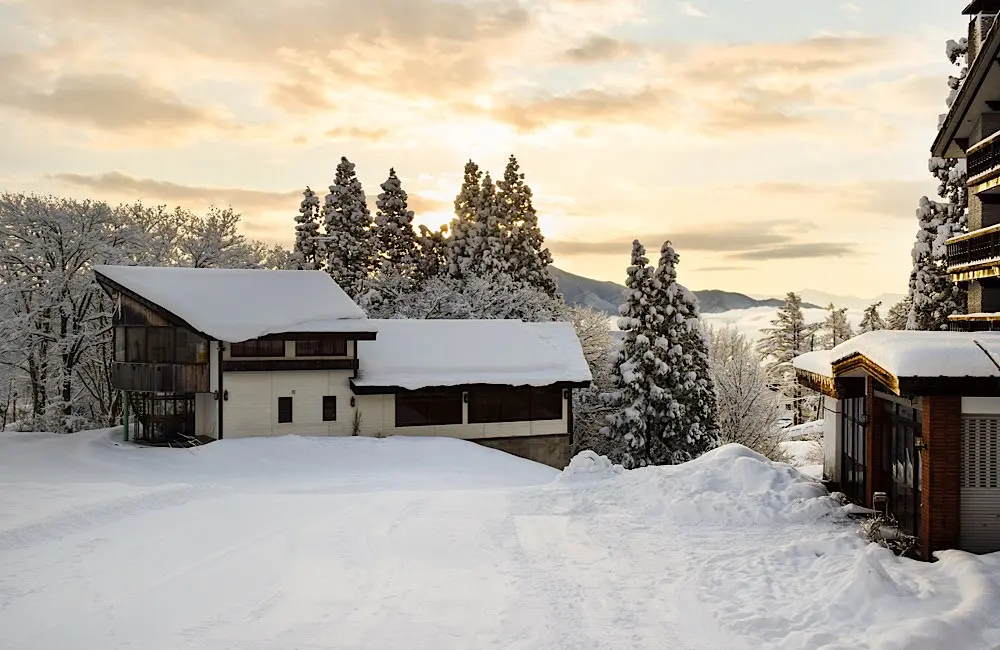
A domestic ski weekend is usually a short, high-cost hit: three nights, three ski days and a long drive. Japan and China turn the spend into a full holiday, with more ski days and more off-mountain appeal.
In Japan, that can mean onsens, izakayas, village stays, rail travel, convenience-store culture and an itinerary that works for non-skiers too. In China, it can mean pairing snow with Harbin, Beijing or a broader winter itinerary.
Japan has the advantage of familiarity
Japan remains the easier overseas ski sell for Australians.
JNTO reported a record 1,058,300 Australian visitors to Japan in 2025, up 15 per cent on 2024, with December and January aligning strongly with school holidays and the ski season.
For advisors, that familiarity helps. Many clients already understand the Japan snow proposition: powder, food, culture, service, rail, hot springs and strong destination appeal beyond the slopes.
Myoko Kogen and Hakuba also give travellers a holiday that feels broader than skiing. They can sell to powder hunters, families, couples, food travellers and mixed groups where not everyone wants to be on the mountain every day.
That is why the value story is so compelling. Japan is not just competing on snow. It is competing on the whole holiday experience.
China is the emerging value play
China is the more intriguing option.
It does not yet have Japan’s pull with Australian skiers, but interest is growing. ABS figures show Australian resident returns from China rose from 67,970 in April 2025 to 90,930 in April 2026, an increase of almost 34 per cent year-on-year.
Access is also becoming easier. Smartraveller says ordinary Australian passport holders may be able to enter China visa-free for up to 30 days for tourism and other eligible purposes, with the waiver currently effective until 31 December 2026.
For ski travellers, destinations such as Yabuli and Altay offer a different kind of winter holiday. Yabuli has established infrastructure and access via Harbin, while Altay taps into China’s far north-western winter landscapes and growing interest in ice and snow tourism.
But China is not yet an autopilot snow booking. Advisors will need to guide clients through payments, apps, connectivity, language, transfers and resort expectations. Smartraveller notes that China prohibits access to many foreign internet services, and that the country is largely cashless, with payments commonly made through WeChat or Alipay.
That complexity is exactly where advisors can add value.
KARRYON UNPACKS: A thin domestic season is a ready-made hook for selling a Japan or China ski week, especially once the cost-per-day maths tips in favour of guaranteed powder and shorter lift lines. Japan is the safe sell, but the 34 per cent lift in Australian visitors to China points to a niche worth watching for the next winter cycle.