


International arrivals to the United States were essentially flat during the FIFA World Cup 2026 group stage with sports economists saying the promised US tourism payday has not materialised.
Overall international arrivals to the US rose just 0.2 per cent in June year-on-year, even as the FIFA World Cup 2026 group stage (11–27 June) drew crowds to host cities across North America, according to data from the National Travel & Tourism Office (NTTO) in the Commerce Department.
Arrivals fell from two regions that consistently dominate international visitation to the US: Europe was down 1.2 per cent and Asia was down 5.6 per cent. Instead, FIFA World Cup 2026 tourism gains came from smaller markets with Africa up 13.8 per cent and South America up 4.7 per cent.
Football’s global governing body, FIFA, is set to take in USD$9 billion (around AUD$12.9 billion) in revenue, according to Bloomberg Intelligence, while the wider economic boost for the US now looks far smaller than projected.
What was promised versus what arrived
FIFA analysis predicted hosting the FIFA World Cup 2026 would inject USD$30.5 billion (around AUD$43.8 billion) into the US economy, a figure that relied on a large influx of international fans spending far more per person than domestic attendees.
Part of the pitch to host cities was the promise of crowds split evenly between domestic and international visitors, officials at three host city organising committees told Forbes.
Smith College Professor Emeritus of Economics Andrew Zimbalist said: “FIFA plays a PR game with all of these numbers. It was never reasonable that there would be a $30.5 billion gain to the US economy.”
Hotels in host cities raised room rates but did not see an increase in occupancy or room demand, according to American Hotel & Lodging Association (AHLA).
Why US inbound is under pressure
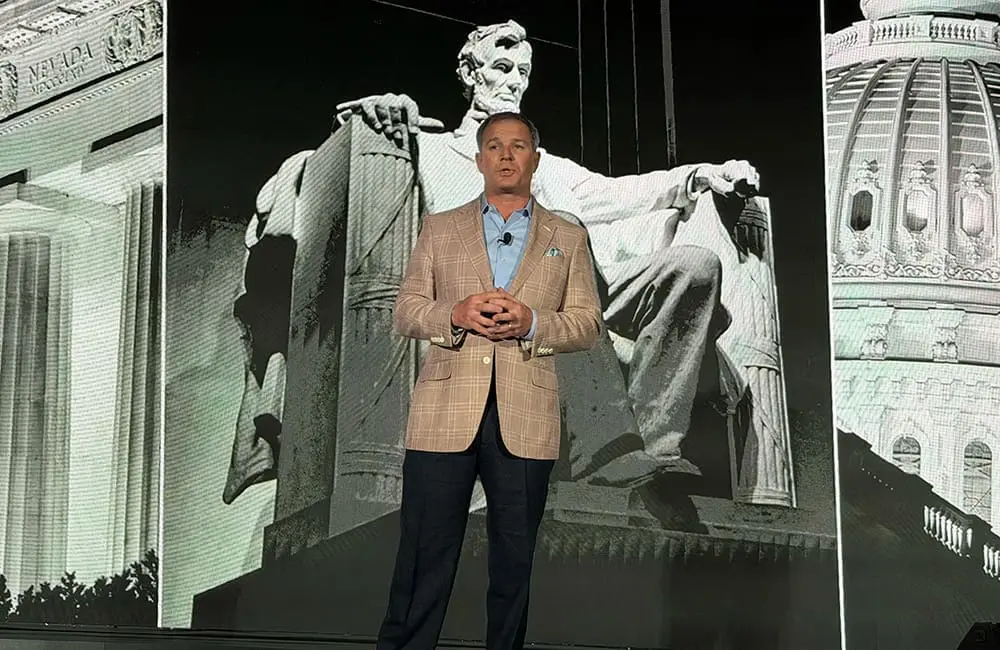
The US was the only major nation in the world to record a decline in travel in 2025, as U.S. Travel Association CEO Geoff Freeman told the international trade and media assembled at IPW 2026.
Zimbalist attributed the fall to “generalised revulsion against Trump’s tariffs and his international policy. That’s not a partisan statement. It’s simply a reality”.
CoStar National Director of Hospitality Market Analytics Jan Freitag told Forbes it was “hard to look at the absolute data and draw the conclusion that this tournament was a tremendous boon for international inbound”.
Who carries the cost

Each of the 16 FIFA World Cup 2026 host cities across North America, 11 in the US, three in Mexico and two in Canada, invested between USD$100 million and USD$200 million (between around AUD$144 million to AUD$287 million) in infrastructure, transportation and security, according to analysis by North Carolina State University.
FIFA also required host cities to shield it from municipal taxes and pursue state tax exemptions where possible. Three states, Florida, Georgia and Missouri, waived at least USD$57.8 million (about AUD$83 million) in combined state and local tax revenue to host games.
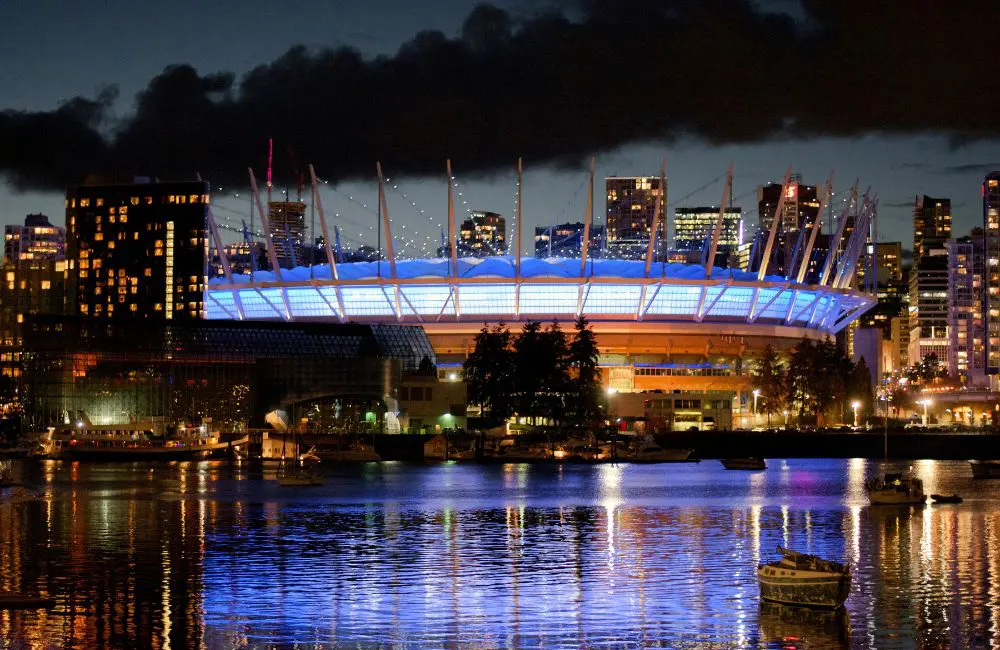
North Carolina State University Professor of Sports Management Michael Edwards said: “FIFA’s model is FIFA gets the revenue, and host cities bear the costs and the risks.”
With semifinals done and dusted ahead of the finals and bronze playoff, analysts say it remains unclear whether the knockout stage will draw the affluent overseas fans FIFA had counted on.

Some destinations continue to buck the wider trend with New York welcoming 65 million visitors in 2025 and Miami and Atlanta outperforming expectations, but for most FIFA World Cup 2026 host cities, the picture is mixed.
Freitag said: “Is it possible that we’re substituting an average international traveller in 2025 with a high-paying international traveller this year? We don’t know.”
KARRYON UNPACKS: The US has slipped down the list of Australian outbound destinations and a flat FIFA World Cup 2026 shows even a global drawcard isn’t reversing the trend. For US pricing inquiries, host-city hotel rates rose without demand to match, so client value is worth checking carefully.