


The World Travel & Tourism Council says the escalating conflict in Iran is draining at least US$600 million (A$847m) per day in international visitor spending across the Middle East, with major aviation hubs still operating well below capacity two weeks into the crisis.
The figure, drawn from WTTC’s pre-conflict forecast of US$207 billion (A$292b) in international visitor spending across the Middle East for 2026, underscores the speed at which geopolitical disruption translates into economic damage across the tourism ecosystem.
It’s a number that puts a sharp dollar figure on what the Australian travel trade has been living through since US and Israeli strikes on Iran triggered airspace closures, airport shutdowns and mass flight cancellations from 28 February.
Why the Middle East matters to global travel
WTTC’s analysis highlights just how central the region is to global connectivity. The Middle East accounts for five per cent of global international arrivals and 14 per cent of global international transit traffic, according to the council.
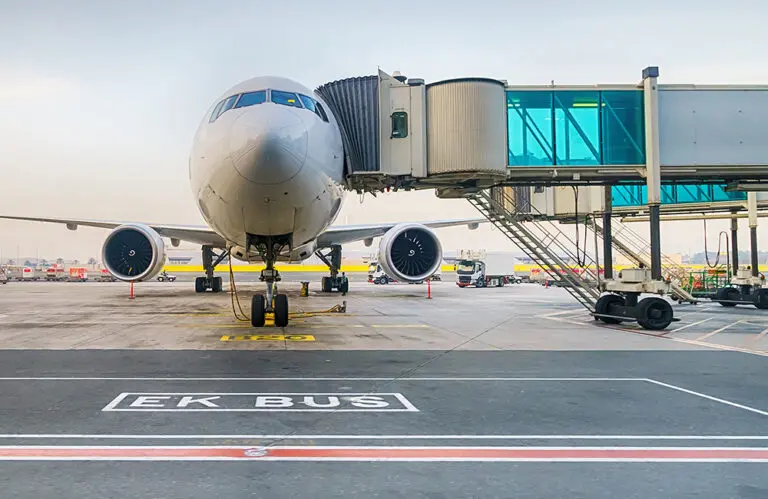
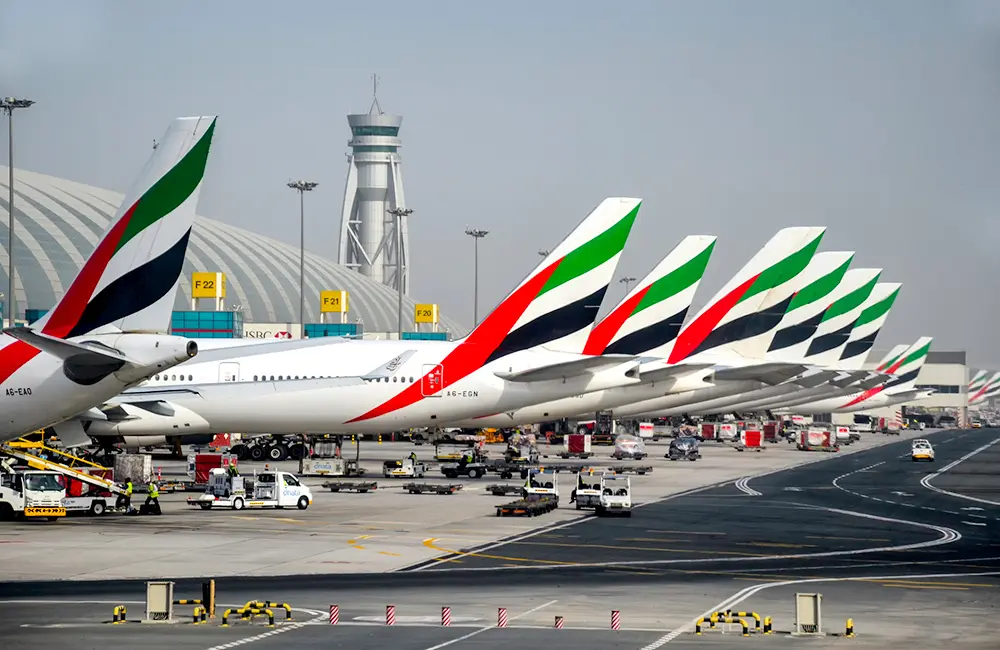
The major regional hubs — Dubai, Abu Dhabi, Doha and Bahrain — normally process around 526,000 passengers per day, WTTC said. All four have experienced closures or severe operational disruption since the conflict escalated.
Emirates, Qatar Airways and Etihad alone normally carry more than half of all passengers between Australia and Europe.
When Gulf hubs go offline, the ripple effect hits airports, hotels, car hire and cruise lines globally. As Karryon reported earlier in the week, passenger volumes through Asian hubs surged 86 per cent as travellers and airlines scrambled for alternative routing.
What advisors have already seen on the ground
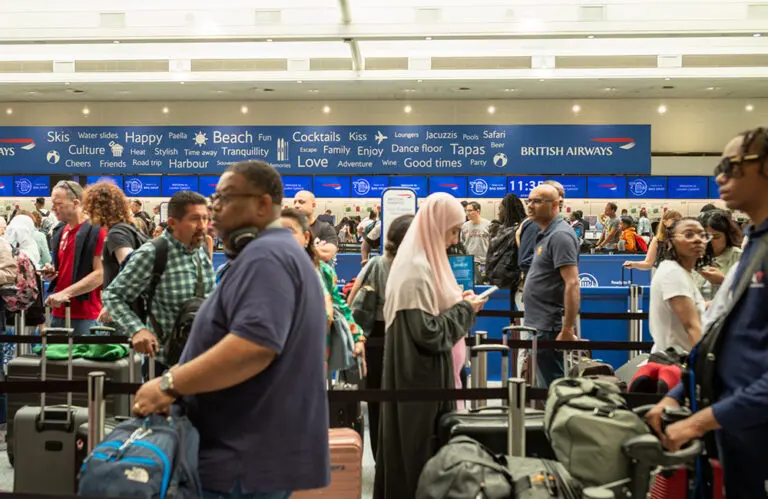
For Australian advisors, the disruption has been acute. More than 115,000 Australians were stranded in the region in the early days, with DFAT raising travel advice to “do not travel” for the UAE, Qatar, Bahrain, Lebanon, Kuwait and Israel.
Over 23,000 flights were cancelled and more than 10 million seats grounded in the first days alone. Dubai International Airport — the world’s busiest for international passengers — sustained damage during Iran’s retaliatory strikes, with one concourse hit and four airport workers injured.
Advisors reported a wave of clients seeking to delay, change or cancel bookings, with one predicting a longer-term shift toward Asian carriers and Turkish Airlines, given that 85 to 90 per cent of European bookings had been routed through Emirates or Qatar Airways.
WTTC says recovery can be fast — with the right response
Despite the scale of the impact, WTTC president and CEO Gloria Guevara struck an optimistic tone.
“Travel & Tourism is the most resilient of sectors,” Guevara said. “The impact of international visitor spending across the Middle East is significant and averages around US$600 million per day, but history shows that the sector can recover quickly, especially when governments support travellers through hotel support or repatriation.”
WTTC’s own research into previous crises found that tourism demand following security-related incidents can recover in as little as two months when governments and industry act together to restore traveller confidence, Guevara said.
“Clear communication, strong coordination between the public and private sectors, and measures that reinforce safety and stability are critical to rebuilding trust with travellers and supporting the sector’s recovery,” she said.
The insurance gap adds pressure

The economic hit extends beyond lost bookings. As Karryon reported, not one of 22 Australian travel insurance providers analysed by Finder offers standard cover for acts of war, leaving many travellers exposed. The Insurance Council of Australia has since declared the conflict a “significant event.”
Meanwhile, oil prices surged more than 30 per cent in the wake of the strikes, with Brent crude briefly touching US$119 (A$168) a barrel and already driving up airfares.
WTTC said it is continuing to monitor developments and remains in contact with governments and industry leaders.
KARRYON UNPACKS: WTTC’s US$600 million (A$847m) per-day estimate puts hard numbers behind what advisors are already feeling. With Gulf hubs still operating below capacity, insurance not covering war, and oil prices pushing airfares higher, the trade impact goes well beyond cancelled flights. The silver lining in WTTC’s data is the two-month recovery benchmark for security crises, but that clock only starts when the shooting stops. In the meantime, advisors routing clients through other hubs are already ahead of the curve.