



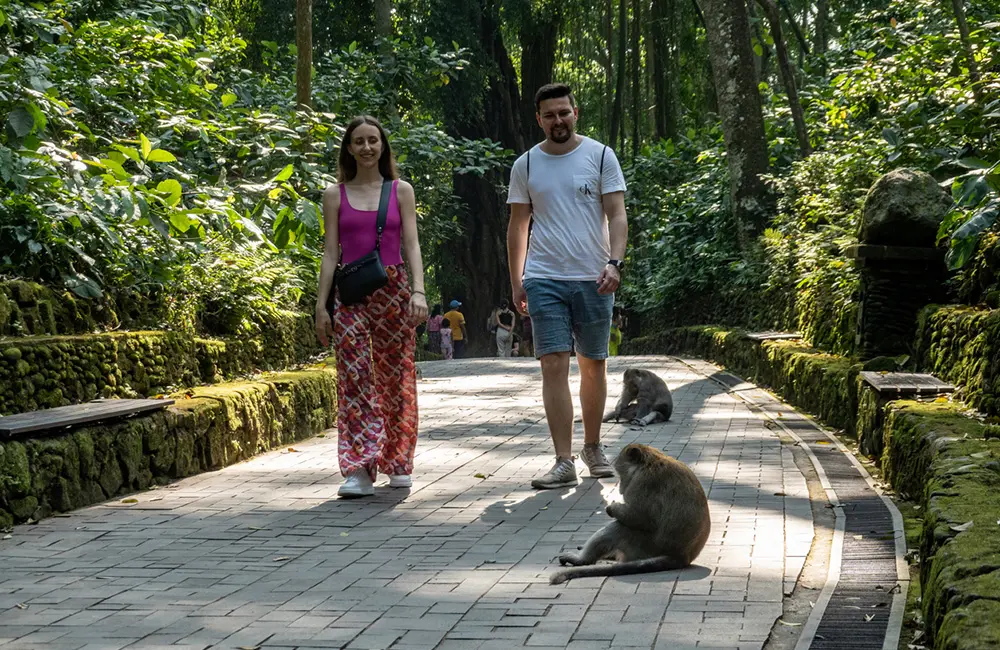
As Bali and Thailand continue to draw Australian travellers, a new study shows monkey mischief can end in medical incidents with monkey-related travel insurance claims increasing by a whopping 350 per cent in the past two years.
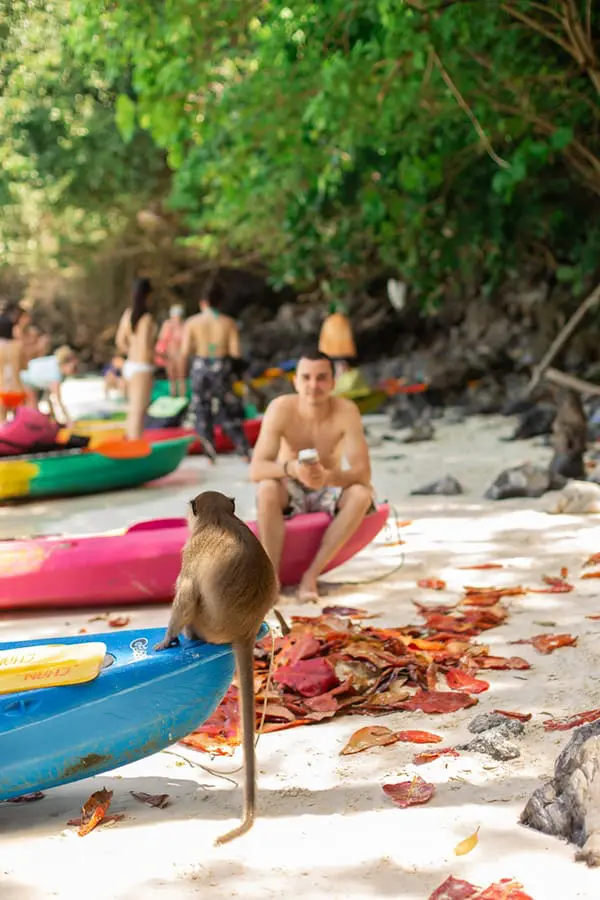
Southern Cross Travel Insurance (SCTI) claims relating to monkey business have more than tripled in the past two years as Aussies visit popular attractions such as Bali’s Sacred Monkey Forest Sanctuary and Monkey Island (Koh Ped) in Thailand.
The insurer issued a warning to Aussie travellers about the costly risk of coming into physical contact with monkeys and urged caution while travelling overseas.
While the majority (78%) of monkey-related travel insurance claims were due to bites or scratches from simian friends, there were also several cases of theft by monkey.

More than one in five (22%) of SCTI’s monkey-related travel insurance claims were related to theft-by-monkey.
In one case, a traveller reported a gang of monkeys breaking into their villa in Bali and stealing a mobile phone. Others have had sunglasses and prescription lenses snatched straight off their faces.
In another case, a child visiting the Sacred Monkey Forest Sanctuary in Ubud was hit in the eye by a monkey and required two rabies shots and a course of antiviral medications to combat potential rabies exposure.
Beyond monkey mishaps, SCTI 2025 stats showed that the most common medical claims were for gastro-related illnesses, rising 64 per cent between 2023 and 2025.
The majority of these claims came from travellers visiting Indonesia and Thailand. These types of illnesses far outweighed other medical-related claims, including trips and falls and respiratory conditions, with the average claim cost for gastroenteritis reaching $1,565.
Almost one-third (29%) of medical and evacuation claims were for Aussie travellers to Indonesia, highlighting the importance of travel insurance for this destination.
KARRYON UNPACKS: The upswing in monkey-related travel insurance claims is a timely reminder that popular wildlife attractions carry real risks, strengthening the case for proactive safety advice and comprehensive cover in Bali, Indonesia and Thailand bookings.