



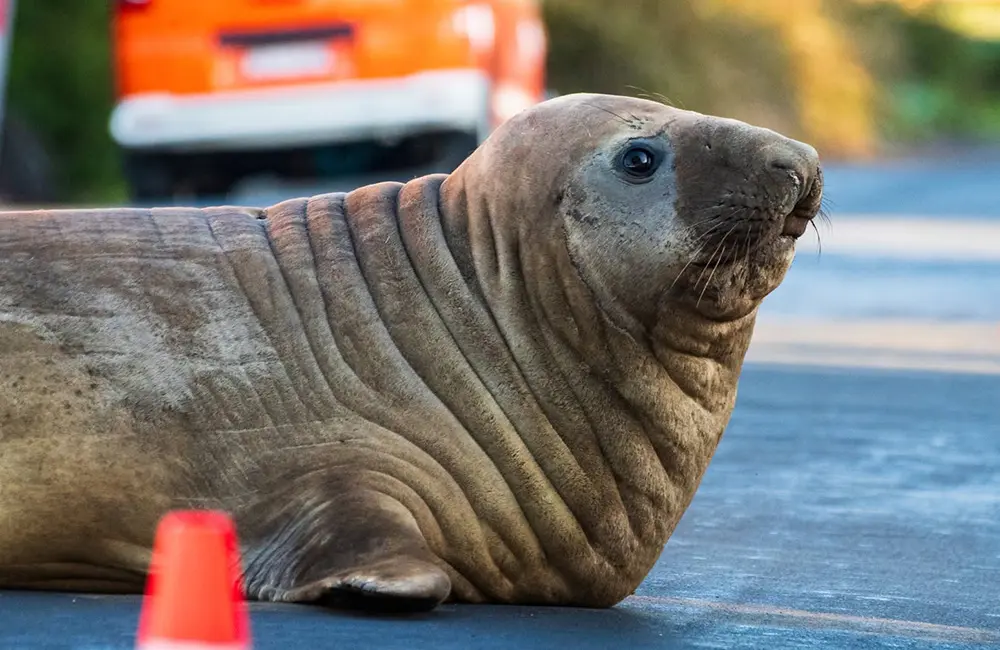
Is Neil the Seal too popular for his own good? Experts warn that the online fame of Tasmania’s Neil the Seal is driving risky close encounters that could cause the animal extreme stress and, in worst cases, lead to him being euthanised.
You’d have to be living under a rock to miss a certain charismatic 1,000kg southern elephant seal’s antics recently. Neil the Seal, a fixture on Tasmanian beaches and across social media feeds, has been captured crushing fences, blocking traffic and banging into parked cars with his considerable bulk.
However, his viral popularity is prompting more people to seek him out in person with potentially serious consequences.
Monash University Faculty of Business & Economics Research Fellow Meg Shaw said the same online attention that builds public affection can also normalise dangerous behaviour when fans try to get too close to wildlife.
It’s a timely caution for advisors selling Tasmania’s nature and wildlife experiences, where responsible-viewing messaging is increasingly part of the product.
Shaw said the pull to connect with animals like Neil the Seal is emotional and instinctive.
“We tend to connect most strongly with stories that feel unique, make us feel good and give us something we can relate to,” she said.
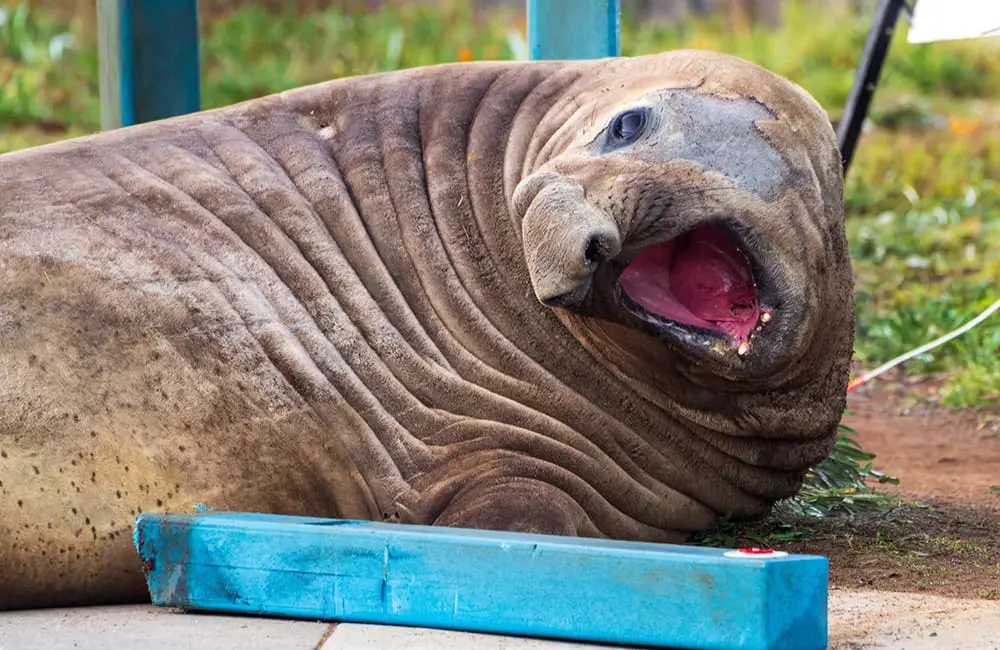
“Animals like Neil the Seal capture our attention because they are unusual, charismatic and entertaining. They are not species we encounter every day and when they appear to have distinct personalities, it becomes easy for us to see them as lovable characters rather than wild animals.
“In many ways, our desire to connect with wildlife is a strength, because we tend to fight hardest to protect the species that we know and love. But sometimes that love can have unintended effects. When a beloved animal becomes a social media sensation, we can start treating them less like an individual wild animal and more like a celebrity.
“The difference is that a celebrity might have a security team, a private home to retreat to and the ability to say no to unwanted attention. An animal has far less privacy, protection or control,” she said.
How social media turns fame into risk
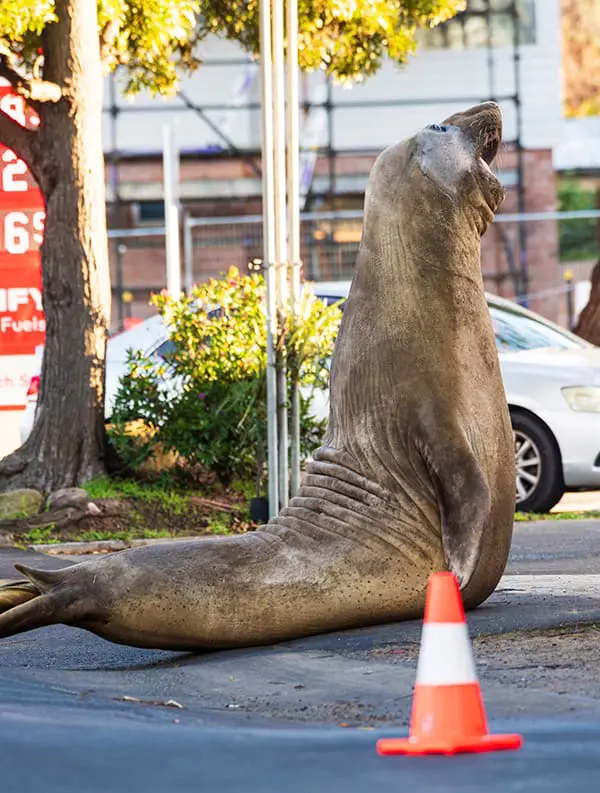
Neil the Seal was born in Salem Bay in 2020 and is tagged and monitored by Tasmania’s Department of Natural Resources & Environment. He regularly returns to southern Tasmania to rest and moult after spending extended periods foraging at open sea as part of normal seal behaviour.
The department says seals can remain ashore for periods of up to five weeks and should not be disturbed during this time. They can be dangerous if approached and may become habituated to people, which compromises their long-term survival.
Monash University researcher Shawa said the problem is that real-time posts showing exactly where Neil is at any given moment can drive crowds of people to approach him.
“Social media has also become a channel for instant, real-time updates. As more photos and videos of Neil are shared online, more people want to see and interact with him themselves,” Shaw said.
“This can make approaching him seem normal and acceptable, especially when posts show where he is at that exact moment. However, approaching a wild animal can cause extreme stress, which can lead to serious health impacts and, over time, may increase the risk of dangerous behaviour.
“Experts have already warned that in similar cases, when people ignore advice to keep their distance, the situation can escalate to the point where the animal may need to be euthanised for public safety.”
What it means for Tasmania
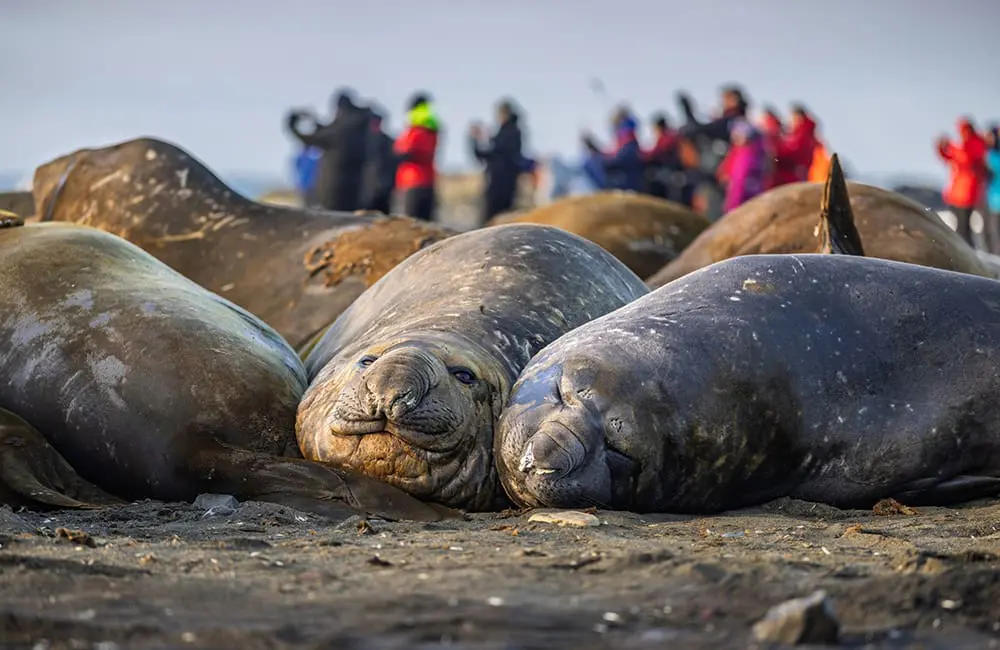
Tasmania’s wildlife and coastal experiences are a core drawcard for domestic and international visitors and encounters with seals, penguins and other native species are often the highlight of an itinerary.
Tourism Tasmania has also leaned heavily into promoting domestic travel during the traditionally quieter months from May to August through its Off Season campaign.
Setting client expectations around maintaining a safe distance and steering travellers toward guided, responsible wildlife-viewing operators rather than the solo pursuit of a viral animal protects both the wildlife and the client experience.
KARRYON UNPACKS: A viral seal is a reminder that the moments travellers most want to capture are often the ones wildlife can least tolerate. As Tasmania leans further into nature-based tourism, the difference between a memorable encounter and a harmful one comes down to responsible tourism.