




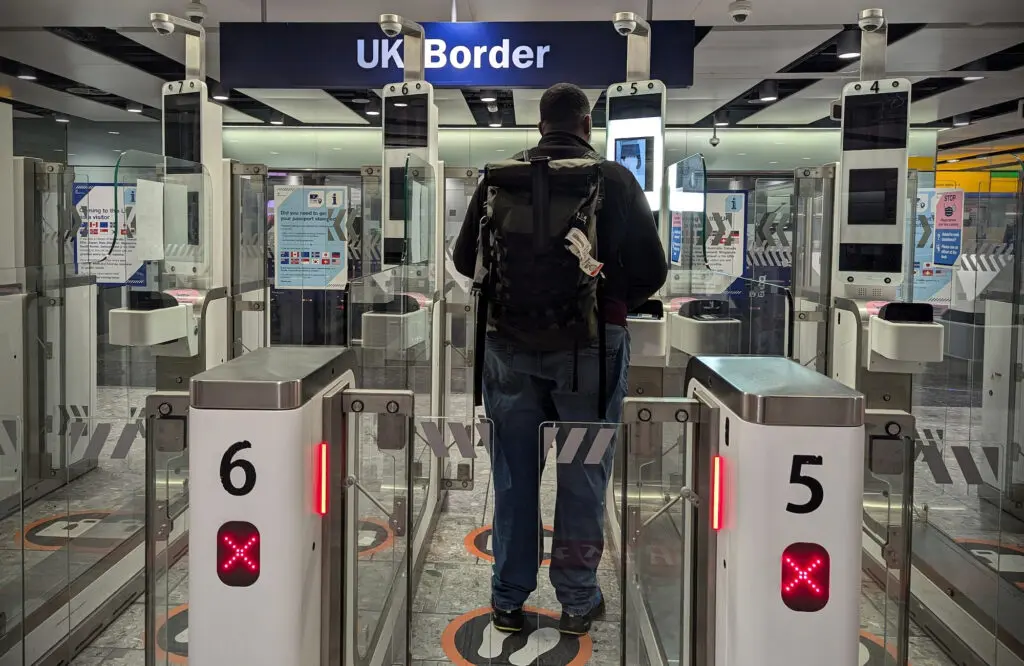
With just three weeks to go until the British Government changes UK entry requirements for dual Australian-British citizens, what are those on the frontline of travel bookings seeing among their UK-bound customers?
Like there was when the announcement was made, there’s still considerable confusion, for starters.
“There are so many versions of the rules and restrictions, and no clear-cut and concise facts,” NSW-based luxury travel advisor Geoff Curries tells Karryon.
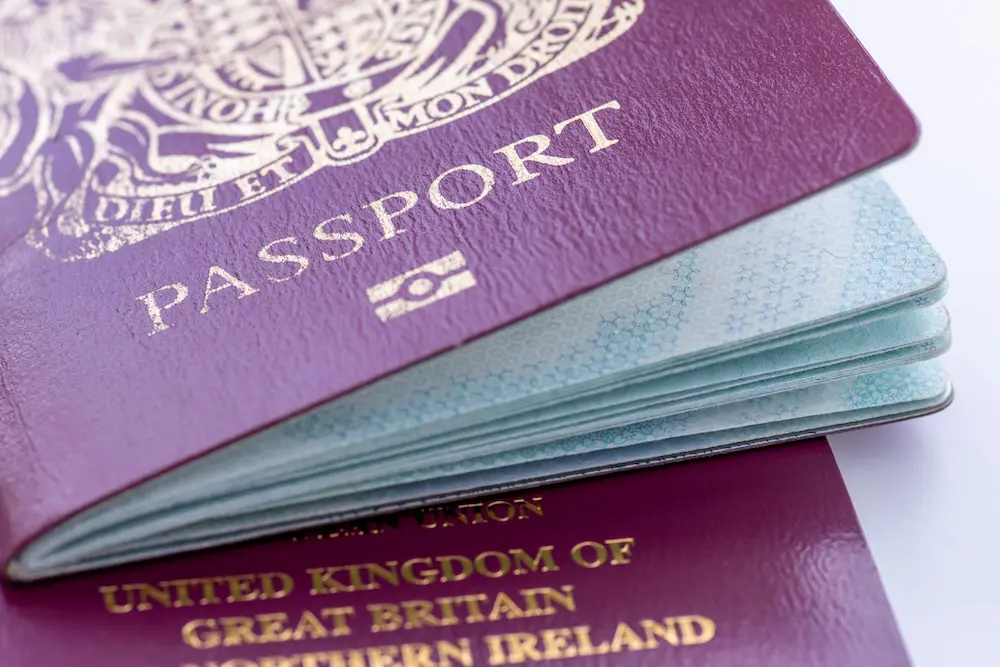
“There seems to be lots of confusion. The uk.gov site is one of the hardest to follow, navigate and understand – and not being able to talk to someone at a consulate or embassy isn’t helpful, so the process isn’t easy.”
Thankfully, Geoff says that most of the clients he has spoken to with British passports told him that “they always keep their UK passport up to date – for the just in cases”.
“It’s the ones born in the UK and have/had both UK and Australian passports and don’t keep up to date” who appear to be the worst off, he says.
Kim Gibson, owner and manager at South Australia’s Helloworld Blackwood, echoes Currie’s comments about the lack of clarity.
“The rules are quite convoluted, and it’s difficult to find accurate information,” she tells Karryon.

“I have had a lot of people coming into my travel agency asking questions about it all. They are all very angry and very confused.
“And I have had a few that want to renounce their British citizenship, but they can’t even get that done in time before their travel dates.”
Kim adds that one of her clients is even contacting their local MP.
While Gibson says she understands the rationale behind the rule changes, she believes that the timeframe “is just ridiculous”.
“The deadline of 25 February does not allow enough time, given the turnaround time of processing passports,” she states.
“We are told currently that it’s 3-4 weeks, but they will blow out once people start lodging their passport applications.
“We lodged one at the Blackwood post office, and they told us a lot of people have posted off their applications.”
While it’s unlikely, Kim says the UK needs to change the start date to “June or July to give people time to comply with the new requirements”.

On the other hand, Jo Kennedy, a business leader at Kennedy & Turner Travel Associates, says that most of her clients “aren’t too concerned”.
“I’ve been helping those who are heading over to the UK soon to prepare. It’s more of a case of ‘yes, I’ve heard about that, what do I need to do?’, rather than being worried about the process. We just get it sorted,” Kennedy tells Karryon.
“For the dual passport holders, so long as they enter the country on their British passport, they are fine. It’s not too complicated.”
However, Kennedy largely works in the luxury space, where clients are more likely to have the means to hold dual passports.
Nothing new?

On Karryon’s Facebook page, news of the change has elicited hundreds of comments ranging from confusion and anger to ambivalence.
One commenter even tries to diffuse the situation by highlighting how Australia has long had a similar system in place.
“Australia demands you use your Australian passport to enter Australia if you are a dual national. UK is doing the same, plus the Australian passport is more than twice the price of the UK passport,” one user wrote.
According to the Australian High Commission to the UK, “all Australians, including dual nationals, should leave and enter Australia on their Australian passport”.
“Those trying to enter Australia as an Australian citizen but without an Australian passport will face difficulties and delays,” it states on its website.
“An Australian passport is the preferred and most conclusive proof of Australian citizenship when travelling.”
Guidance, not guessing
One thing the new UK entry rule has highlighted is the advantage of having a travel advisor in your corner.
“It’s a real ‘lucky you’ve booked with an agent’ time,” Currie says.
“It gives us more value as trying to follow the instructions online when you’ve booked online is a recipe for disaster.”
Kennedy adds, “My goal is always to make sure that my clients understand exactly what they need to do well before departure so that they can get to and from their destination without any hiccups.”
The Australian Travel Industry Association (ATIA), meanwhile, has praised its members for their professionalism in delivering clarity around the new rules.
It says varying levels of consumer awareness about the UK entry rules have placed extra stress on frontline travel advisors.
“We know this situation has created challenges for travel businesses, particularly where traveller awareness has lagged behind policy changes,” ATIA CEO Dean Long said.
“I want to thank our members for the professionalism they’ve shown in managing these conversations and for the care they continue to take in supporting travellers while clarity continues to emerge.”
For its part, ATIA has worked with the UK Home Office, VisitBritain and Australian officials to clarify guidance. It has also launched a live hub with clear advice, FAQs and official links members can share confidently with travellers.
“ATIA’s role is to be there for our members when issues like this arise, ensuring we have the right conversations at the highest levels and then turning that into clear, practical guidance travel businesses can rely on,” Long added.
KARRYON UNPACKS: With new UK entry rules looming, confusion is still high. This is where travel advisors earn their stripes: interpreting murky policy, calming travellers and turning deadline stress into clear, confident action for clients.