




The US Government plans to triple the cost of US National Park Annual Passes for international visitors from USD$80 (around AUD$120) to USD$250 (around AUD$377) starting 1 January 2026. What does this US National Park fee hike mean for Australian advisors and suppliers selling travel to the USA?
The new, digital America the Beautiful Annual Pass will continue to cost USD$80 for US residents but increase more than threefold to USD$250 for non-residents.
It will cover entrance fees and standard amenity fees (day-use fees) at Federal recreational sites, including national parks.
In addition, international travellers without an America the Beautiful Non-Resident Annual Pass who wish to visit 11 of the most-visited national parks will have to pay USD$100 (around AUD$150) per person on top of the standard entrance fee.
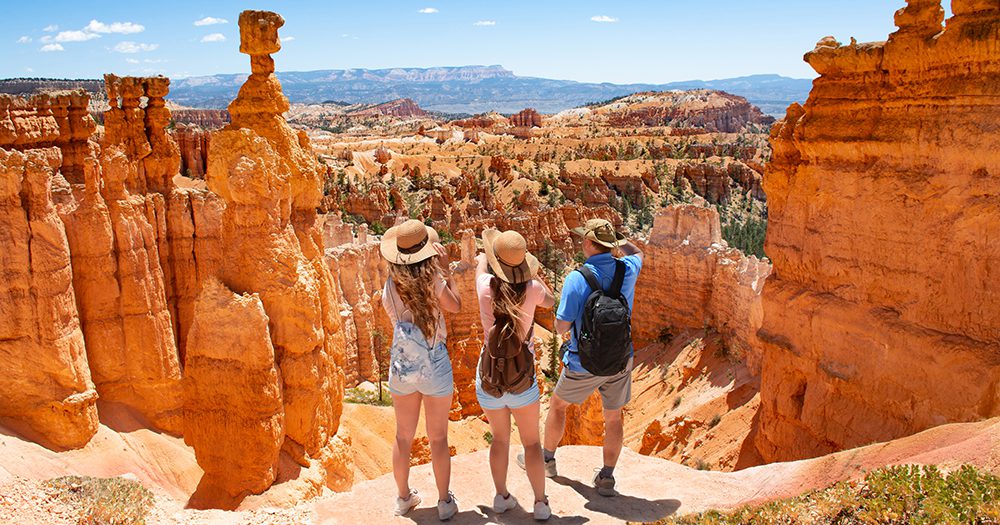
International travellers aged 16 and up without an annual pass will need to pay USD$100 per person per day to visit Acadia, Bryce Canyon, Everglades, Glacier, Grand Canyon, Grand Teton, Rocky Mountain, Sequoia & Kings Canyon, Yellowstone, Yosemite and Zion national parks.
This includes those travelling as part of a commercial tour group.
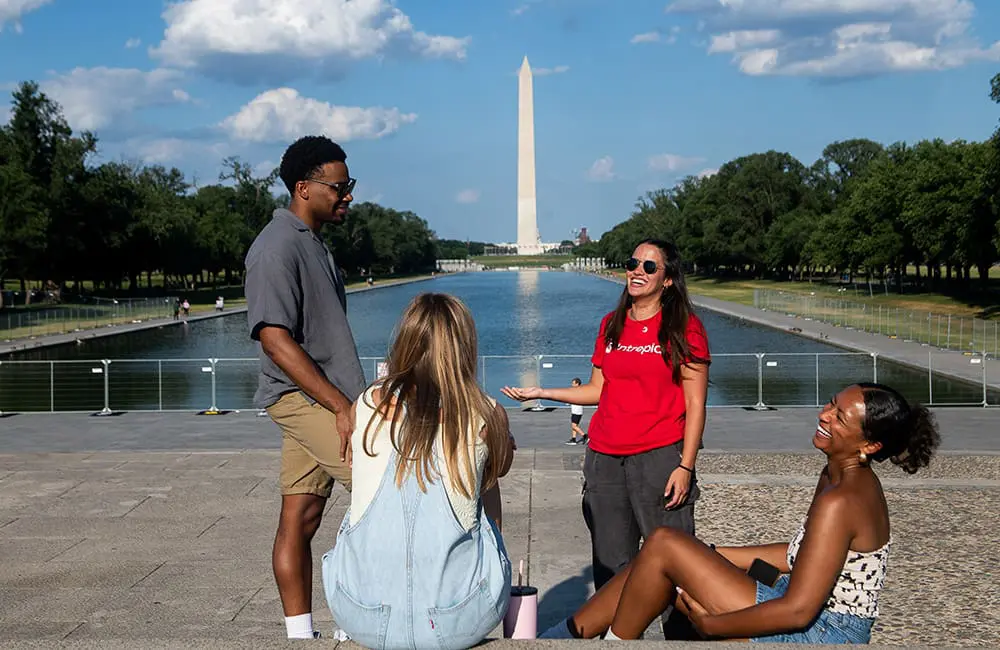
Visitors will also be required to make an online reservation for timed entry at 12 high-traffic sites, including Acadia National Park, Gateway Arch National Park, Haleakalā National Park and Washington Monument.
The Department of the Interior Secretary Doug Burghum said the ‘America-first’ fee structure will enhance access for residents “while international visitors contribute their fair share to maintaining and improving our parks for future generations”.
While not all national parks charge an entrance fee per person or per vehicle, the US National Park fee hike changes could see the cost of affordable US travel rise for families, larger groups and road trippers by hundreds of dollars.
The US National Park fee hike may feel disproportionate for visitors already facing high airfares, accommodation and transport costs, reducing the perceived value of US travel.

It also comes as the latest Skift report shows international travel to the US continues its downward trend for a seventh consecutive month of year-on-year declines.
Government data shows overseas visitation to the US dropped 3.5 per cent in November 2025, following a 3.1 per cent decrease in October.
The overall international visitor volume remains below pre-pandemic levels with particularly sharp decreases from key markets, including Europe, Asia and Canada, however, some lesser-visited US states, such as Tennessee (up 24%), are seeing significant growth from these markets as more affordable options.
The U.S. Travel Association does not expect a full recovery to pre-pandemic levels until 2029, citing issues such as affordability and new entry restrictions, including a potential USD$250 visa and social media rules, and now the US National Park fee hike.
At the recent Travel South USA International Showcase, Australian buyers and suppliers of US tours and group travel voiced their concerns and confusion about the US National Park fee hike for international travellers.
Tour operators and travel advisors will need to rethink itineraries, budgets and pricing well in advance to accommodate the US National Park fee hike. The higher cost may also discourage travellers from visiting multiple national parks, impacting classic road trips and tours and extended stays.
For more info, visit nps.gov
KARRYON UNPACKS: The sharp rise in National Park fees underscores the growing affordability gap in US travel. For Australian advisors, recalibrating itineraries, pricing and value messaging will be key to sustaining traveller interest in iconic American road trips in 2026.