


Vancouver will host the Socceroos on 13 June 2026 as part of the FIFA World Cup 2026, giving British Columbia a fixed Australian supporter surge to plan for, package and sell.
The match is one of seven being staged in the city and lands early in the tournament, placing Australia’s travelling fan base directly in BC’s opening commercial window.
All eyes on Vancouver and beyond
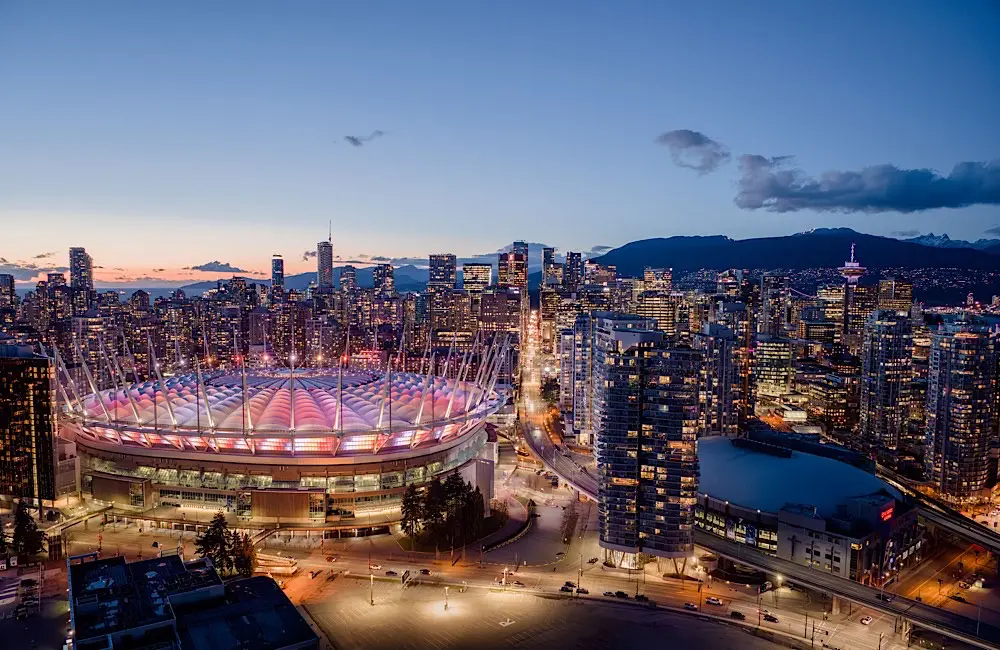
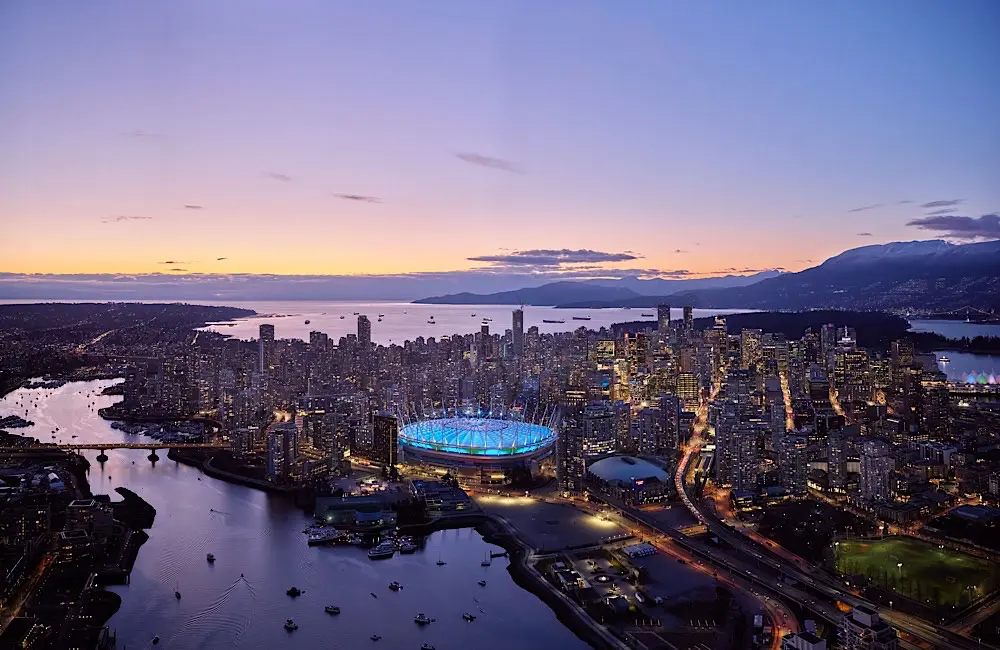
The Socceroos’ group-stage match will be played at BC Place, which is forecast to welcome more than 380,000 spectators across the tournament. Vancouver will also host an official FIFA Fan Zone designed to keep visitors in-market beyond matchday.
Super, Natural British Columbia Vice President Global Marketing Maya Lange said the province is preparing for Australian supporters in volume.
“We’re getting ready to say G’day to Aussie footy fans in 2026,” she said, positioning Vancouver as the arrival point before encouraging visitors to push deeper into the province.
“Once you’ve experienced the culture, creativity and culinary delights of Vancouver, Australian visitors should head further into British Columbia to experience the wealth of diverse experiences that the province has to offer,” she said.
“Whether it’s grizzly bears in the Great Bear Rainforest, canyoning in Britannia Creek, road tripping to the Rockies, or encountering the distinct stories, languages and traditions of our more than 200 First Nations.”

Why Australia matters to British Columbia
Australia already sits as a material long-haul market for British Columbia and the World Cup drops a fixed national travel trigger into the calendar.
British Columbia logged 180,000 Australian arrivals to September 2025. In 2022, 13.5 million Australians watched the World Cup. The 13 June fixture turns that audience into potential on-the-ground traffic.
For sellers, the confirmed match date converts general interest into bookable behaviour. Flights, hotels, supporter packages and pre- and post-match touring can now be built around a single anchor.
Mid-June timing positions the match at the front edge of the northern summer peak. That sharpens pricing pressure and tightens availability before the wider tournament cycle even gathers pace.
Stadium, city and home-game energy
Australian football broadcaster Claudio Fabiano, who recently visited Vancouver during the Concacaf Gold Cup, said the stadium’s central location would amplify matchday trading across the city.
“The stadium is in the middle of the city and next to the water, so you just know the surrounding bars and pubs will be rocking during that summer month,” he said.
Fabiano also pointed to the existing Australian population in Whistler as a factor in supporter density.
“With the amount of Aussies in Whistler alone, we’d pack out BC Place and make it feel like a home match for our Socceroos,” he said.
He added that summer conditions would suit both players and travelling fans, with Vancouver functioning as a base for wider provincial travel on non-match days.
Fan Zone shifts the spend pattern
Beyond the stadium, Vancouver’s FIFA Fan Zone is designed to run alongside live matches across the tournament. The commercial effect is longer dwell time and distributed spend beyond ticketed attendance.
Fan Zones draw travelling supporters, casual viewers and displaced non-ticket holders into the same footprint. The result is broader food, beverage and accommodation demand across multiple trading periods rather than a single post-whistle surge.
For operators, that widens selling windows beyond matchday and supports short-stay extensions before and after the Australian fixture.
The calendar play
The Socceroos’ 13 June 2026 slot positions Australia early in the tournament narrative.
That timing pulls Australian demand forward, sharpens early booking curves and concentrates sales pressure into June rather than spreading it across the broader competition window.

For wholesalers and tour operators, it creates a tight activation window with a known on-sale trigger and a fast-moving traveller cohort.
KARRYON UNPACKS: One confirmed Socceroos match creates a narrow Australian sales window with early pricing power, tight June inventory and clear packaging rules for 2026.