



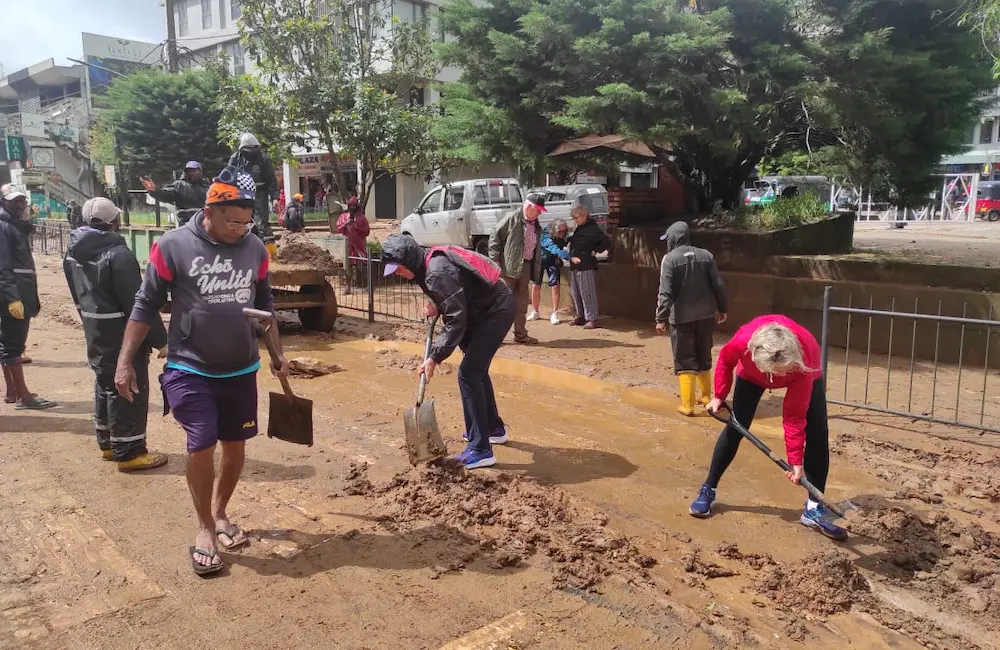
Two weeks ago, Sri Lanka was reeling from its worst cyclone this century. Now, the South Asian nation is pleading for a boost in tourism to the country.
Before Cyclone Ditwah hit, holiday travel to Sri Lanka was trending upward.
According to Sri Lanka Tourism Development Authority (SLTDA) data, from January to July 2025, the country welcomed 1,368,288 leisure travellers, an increase of nearly 15% on 2024.
Aussie travel grew even stronger, rising by 25.6% to 60,442 over the first seven months of the year. Australia’s growth saw it rise to become the seventh-largest source market for Sri Lankan tourism.
Reflecting this growth in demand, tour operators such as Intrepid and Explore have hosted major famils in Sri Lanka this year. And just days ago, Jetstar announced it would commence its first direct service to the country.
However, with Cyclone Ditwah threatening to put the brakes on tourism growth, authorities are now urging Australian travellers and travel sellers to put the country front of mind when it comes to 2026 holiday destinations.
Firstly, it’s saying the Indian Ocean nation is safe.
In a video message welcoming Australian tour operators and visitors to the country, the Chairman of the Sri Lanka Tourism Promotion Bureau (SLTPB) Buddhika Hewawasam said tourism operations “are very much open right now”.
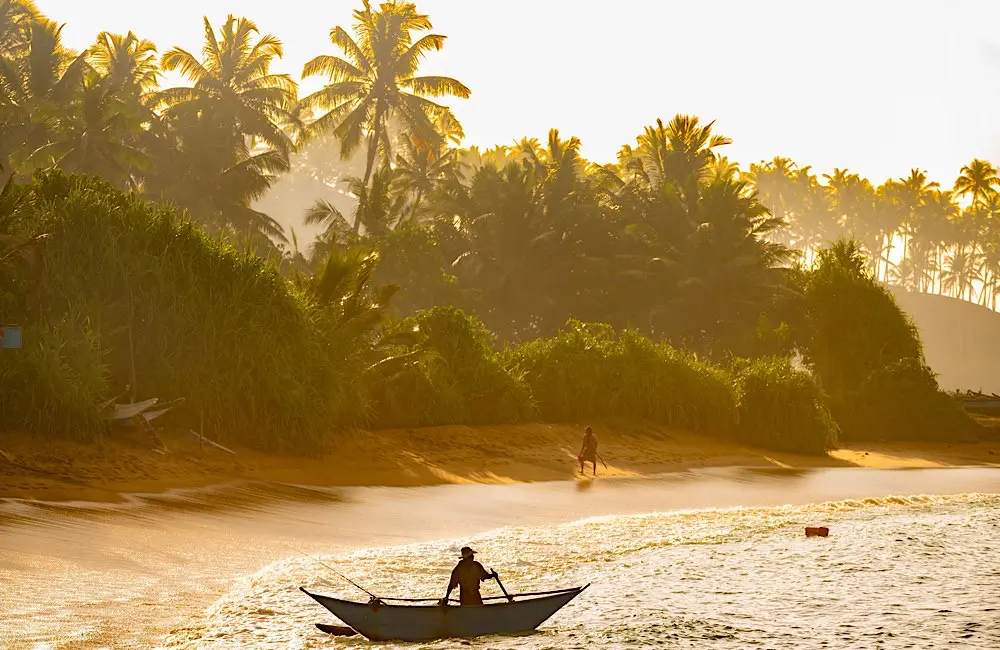
“All of our destinations are open, including Sigiriya. And all other destinations on the beachfronts are very much accessible,” he remarked.
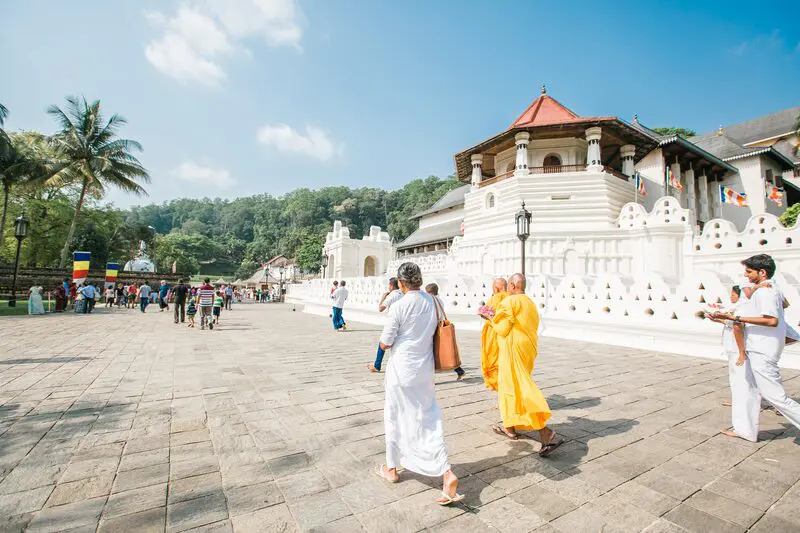
“And also the mountains, if you think about Nuwara Eliya, Kandy and also the north and the eastern areas of Sri Lanka, including Pasikudah, are open for tourists.
“We want Australian tourists to come to Sri Lanka, enjoy this country.”
Elsewhere, Hewawasam said wildlife experiences are operating as usual, while National Parks are open, including Yala.
Meanwhile, hotels are “back to normalcy”.
“Almost all hotels in Sri Lanka are in excellent condition. Over 70% of the hotels are full right now,” he added.
“And the tour operators are very much ready with their vehicles… and all the roads are accessible in Sri Lanka.”
On the ground

Intrepid Sri Lanka General Manager Poornaka Delpachitra said the country “is coming back to normal quite fast” and that the “it is safe to travel”.
“More than 90% of our main tourist places and sites, including the national parks are open for business,” he stated.
“Relief efforts are still ongoing for everyone who was affected, but there’s been considerable progress. A lot of the damaged infrastructure is already being restored.
“Yes, the first week after the cyclone and the immediate aftermath was quite grim, but as always, Sri Lanka’s resilient mode kicked in. The entire nation came together, and that spirit has made a huge difference.”
When it comes to the situation on the ground right now, Delpachitra said customers are giving “very positive feedback”.
“Many of them appreciate and understand how the country is bouncing back, and they’re feeling the warmth shown by everyone,” he added.
The only experience currently “missing”, Poornaka said, is “the scenic train ride through Tea Country, as the train tracks were severely damaged”.
Elsewhere, “travel times in the hill areas may be a bit more than usual especially between Kandy, Nuwara Eliya, Ella or Bandarawela because of some road works”.
“One of the best ways you can support the country is by travelling,” he said.
Amrit Rajaratnam, Managing Director of accommodation and experience company, Island Life Sri Lanka, highlighted the country’s resilience.
“While the recent cyclone brought challenges to many communities, recovery efforts are well underway, and the tourism sector is moving swiftly toward normal operations,” he remarked.
“Our hotels and teams across the country are focused on rebuilding, supporting affected communities, and ensuring guests continue to experience the warmth and resilience Sri Lanka is known for.
“As we enter peak season, we remain confident in the country’s readiness to welcome travellers once again.”
What DFAT says
Australia’s Department of Foreign Affairs (DFAT) warns Aussies to “Exercise a high degree of caution in Sri Lanka due to the threat of public demonstrations and security risks”. This is the government’s second-lowest travel advice level.
“Sri Lanka continues to experience widespread impacts from Cyclone Ditwah, including flooding, landslides and damage to infrastructure,” it states on its Smartraveller website.
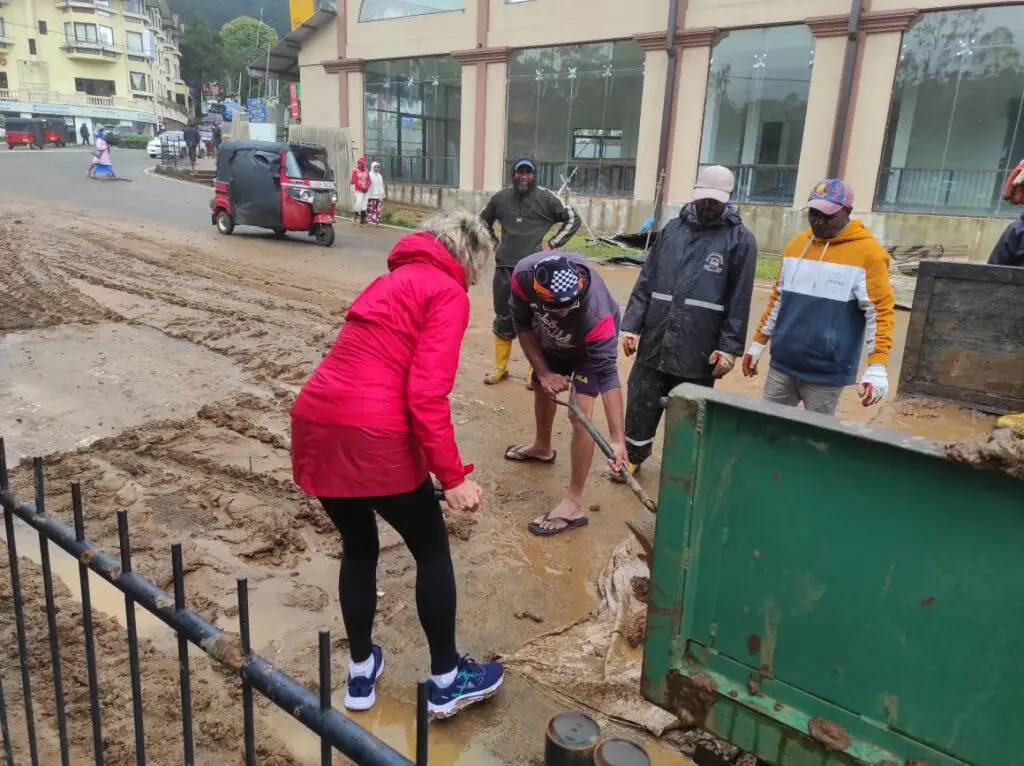
“Transport, roads, railways, and essential services may be disrupted. Contact your travel provider for updates, check media and follow the instructions of local authorities. Road closures have affected some major roads and have interrupted essential services and supplies.
“Check conditions with local authorities or your travel provider before you travel by road or rail to all central mountain districts, including Kandy, Nuwara Eliya, and Ella, Anuradhapura and surrounding regions, the area between Negombo and Chilaw, and the Mahaweli River Valley.”
Elsewhere, it warns of “severe flooding and landslides… especially Uva and Central provinces”.
“Power and water supplies have been disrupted. Telecommunications are severely affected”, in these areas, it adds.
“Food and water shortages may occur due to the loss of water infrastructure, contamination of wells, and disruptions to supply chains.”