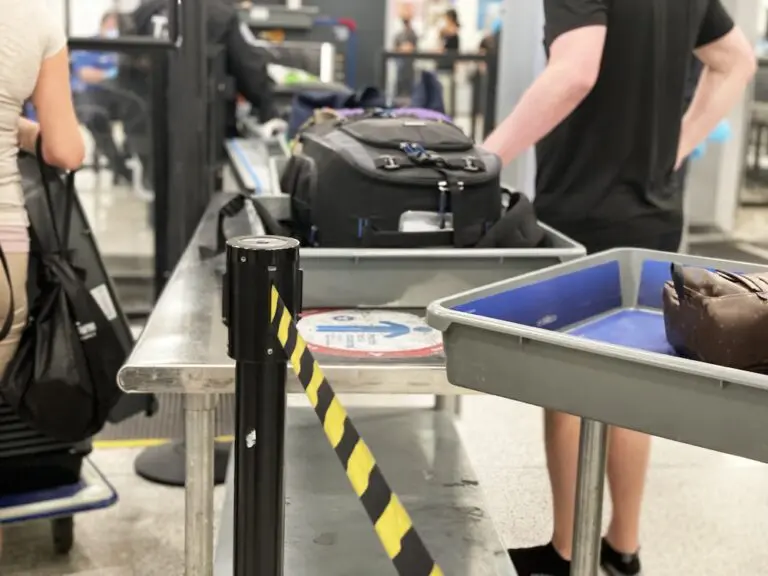




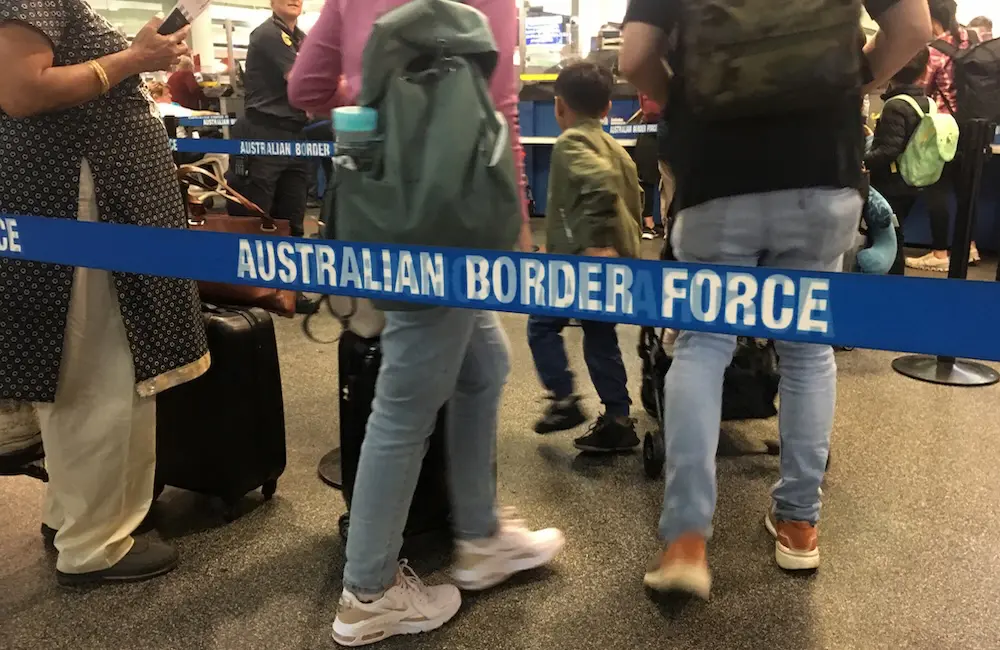
Australia’s largest international gateways are calling on the Federal Government to urgently modernise the country’s border system, warning the current arrivals process risks falling behind global standards.
Sydney Airport, Melbourne Airport and Brisbane Airport have joined forces with the Tourism & Transport Forum (TTF) and the Australian Airports Association (AAA) to push for investment in a more seamless arrivals experience ahead of the next Federal Budget.
Airport leaders argue the current system remains too slow and outdated for a country preparing to host the 2032 Brisbane Olympic and Paralympic Games.
“Australians deserve better than the current international arrivals experience, which is cumbersome, inefficient and no longer fit-for-purpose,” Melbourne Airport Chief of Aviation Jim Parashos said.
“Melbourne Airport is investing $4.5 billion to upgrade our international terminal, but the congestion in our arrivals area is primarily caused by outdated Border Force processes and technology.”
Similarly, Sydney Airport CEO Scott Charlton said that “outdated, paper-based processes risk holding Australia back compared to more advanced global hubs”.
“Modernising Australia’s border is critical to maintaining our global competitiveness, particularly as we prepare for significant growth in international travel,” he remarked.
“By contrast, a streamlined digital border system would support passenger growth, improve the traveller experience, and allow us to invest more efficiently in the infrastructure that adds value.”
AAA CEO Simon Westaway echoed Charlton, saying the paper incoming passenger card should be immediately “ditched”.
“Ultimately, we could end up with one of the most seamless passenger border experiences in the world if action is taken now and we get things ready in time for the 2032 Brisbane Olympic and Paralympic Games,” he added.
Brisbane Airport CEO Gert-Jan de Graaff flagged the Queensland hub’s recent successful trial of the digital arrival card as a blueprint for a more efficient experience.
“Our trial of the Digital Arrival Card, piloted with Qantas, has proven so successful that it is now being adopted by other airports across the country, but that is only the beginning,” he stated.
Economic edge
TTF research highlights the stakes. Nearly one in three (31%) of Australians say a poor border experience has worsened their impression of a destination, while around five in six (84%) believe Australia needs a modern, world-class border before the Games.
The industry also sees a direct economic upside. If passengers cleared the border faster, 31 per cent said they would spend the extra time sightseeing, 25 per cent shopping and 24 per cent dining out. Another 35 per cent said they would check into accommodation sooner.
“The cost of delay is greater than the cost of reform and every minute a passenger spends standing in a queue is a minute lost to the economy,” de Graaff said.
To fund improvements, the industry is urging the government to keep the Passenger Movement Charge (PMC) at $70, but direct future growth in the fee to border upgrades. Forecasts suggest the charge could generate more than $380 million in additional revenue by 2030.

“Every hour saved at the border translates into real economic activity, supporting local businesses, tourism operators and the broader visitor economy,” TTF CEO Margy Osmond said.
“With the Brisbane 2032 Olympic and Paralympic Games approaching, we have an opportunity to showcase Australia at its best. It is imperative the Government ringfences growth from the Passenger Movement Charge to fund the border, protect Brand Australia, and keep us competitive on the global stage.”
Infrastructure spending at Australia’s four major airports jumped 43.6 per cent in 2024-25, but the ACCC says $20 billion in planned projects could push airfares and travel-related expenses higher. So who pays? Read about it here.
KARRYON UNPACKS: First impressions matter. If Australia’s border feels slow or clunky, travellers notice. With visitor numbers rising and Brisbane 2032 looming, the arrivals experience could become almost as important as the destination itself.