



The ceasefire may have offered the travel industry its first real note of optimism in weeks, but the Australian Tourism Industry Association (ATIA) says it does little on its own to rebuild consumer confidence. For Middle Eastern carriers and destinations, the task now is to win travellers back, and that will take aggressive pricing and close work with the trade.
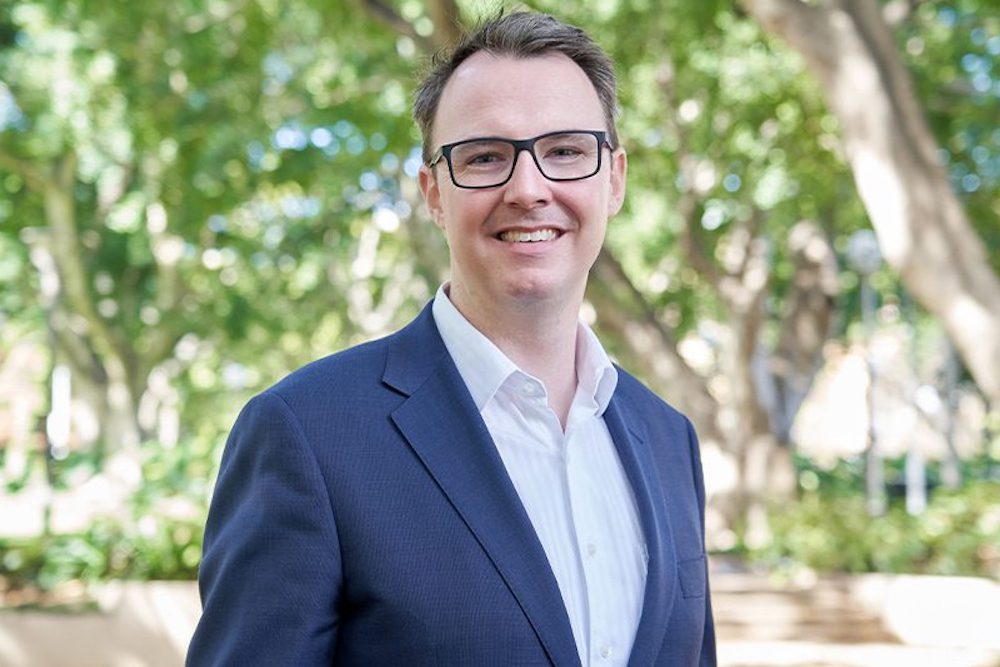
ATIA CEO Dean Long said the ceasefire was a step in the right direction, but not enough on its own to lift the uncertainty weighing on traveller confidence.
“Uncertainty is the real issue when it comes to consumer confidence,” he told Karryon.
Long pointed to the 2002 Bali bombings as a reminder that Australians do return after major shocks, and often faster than expected.
“When you look at how quickly Australians returned after Bali, we were talking months,” he said.
“We are a resilient bunch. We still want to travel.”
A ceasefire is a starting point, not a reset
Long said the ceasefire offers a more hopeful backdrop, but confidence will rebuild more slowly than headlines move.
“The more people that transit through the Middle East and have no issues, the more confidence that will build in the community,” he said.
“And ultimately, the conflict has to end in a way that gives people certainty about what comes next.”
For Middle Eastern carriers and destinations, the ceasefire opens the door. What follows depends on whether that pause turns into something more durable, and whether travellers start to feel they can move through the region with confidence again.
Costs, caution and weaker conversion are already shaping the market
Long said the pressure on the industry is not only about whether people still want to travel. It is also about what happens when higher fuel costs, broader cost-of-living pressure and softer consumer confidence all converge at once.
“We haven’t seen a mass cancellation event like we did during COVID,” he said.
“But new bookings are harder to find.”
He said travellers are still moving, and many with existing Europe bookings are doing what they can to hold onto them, even if that means rerouting through Asia or switching carriers. But the flow-on effects are wider than route changes alone. Sales are taking longer to close, demand is softer than it would otherwise be, and businesses are having to work harder for each booking.
“Travel confidence everywhere is lower than it was before the conflict,” he said.
Long said that caution is feeding into a more uneven operating environment for travel businesses, with some sectors holding up well and others feeling more pressure. Families facing mortgage pressure and higher everyday costs are likely to respond differently to older, wealthier travellers, particularly those benefiting from stronger returns on savings and superannuation.
“What it won’t be is an equal market of recovery,” he said.
“We’re not going to see every demographic moving at the same time.”
“Luxury will hold up because the demographic that has that higher interest rate works in their favour.”
That leaves suppliers, agencies and destinations trying to work out where to spend, where to market and which customers are most likely to convert while sentiment remains unsettled. It also comes at a time when the wider cost base for travel businesses is already under pressure, including from payment reform changes that will make it harder to recover card-related costs from customers.
What Middle Eastern carriers and destinations need to do next
Long’s point is that recovery will not happen on sentiment alone. It will need to be built, deliberately, through the mix of pricing, product and trade support that gives travellers a reason to return.
“For Middle Eastern carriers, they’ve got wonderful product,” he said.
“Aggressive pricing, good product and great relationships with trade should mean the recovery isn’t a multi-year recovery.”
He said advisors will be central to that process, particularly while travellers are weighing risk, routing and value more carefully than usual.
“Maintaining good product and maintaining good advice will work hand in glove to rebuild that confidence,” he said.
For destinations across the Middle East, the same logic applies. Recovery will come through a steadier sense of normality, visible movement through the region and clear, trusted selling from trade partners.
Some travellers are still hedging their bets
Long said one of the market distortions still in play is that some travellers are holding more than one ticket while they wait to see what happens next, often keeping one itinerary via Asia and another via the Middle East.
“There’s a portion of our customer base holding multiple tickets,” he said.
“At some point, if you’re holding two tickets, there’s only one passenger.”
If confidence starts to return, some of those passengers may release one option and recommit to the other.
“If people regain confidence in the Middle Eastern carriers, some of those alternative bookings will fall away, and that opens up supply,” he said.
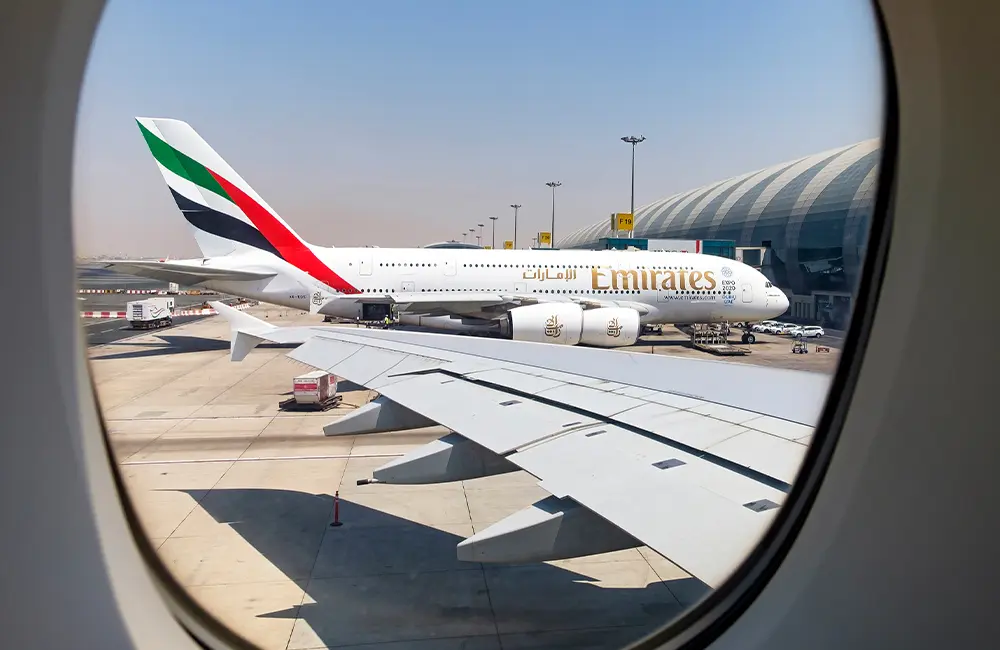
That could create a different kind of recovery effect, with capacity freeing up as booking behaviour normalises rather than only through airlines adding more seats.
Capacity may return before confidence does
Long said there is already enough supply in the market to support a recovery, even if it remains below where it was before the conflict.
“Emirates has more than 50 flights a week flying, and Qatar is gearing up for more than 30,” he said.
“It’s not where the market was before the conflict, but there is supply there that the industry can work with.”
For now, the ceasefire has given Middle Eastern carriers and destinations something they have not had in weeks: a clearer path to start rebuilding.