



Australians heading to Europe via the Middle East have received a welcome boost, with the Department of Foreign Affairs and Trade (DFAT) lowering its travel advice level for several major transit points after months of heightened concerns.
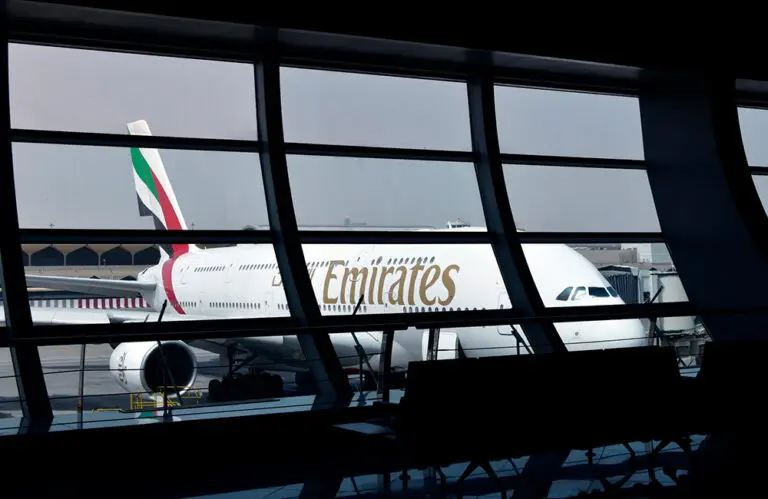
The change affects some of the region’s busiest aviation hubs, including the United Arab Emirates (UAE) and Qatar, which are widely used by Australian travellers flying to Europe, the UK and beyond. Adding to the significance, it also arrives amid Europe’s peak travel season.
How we got here
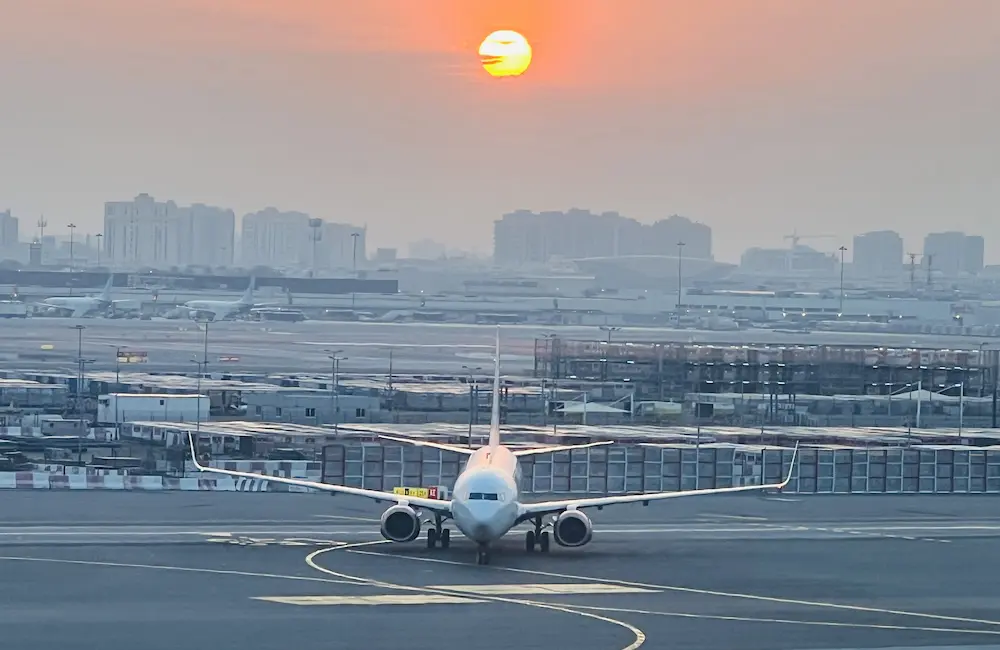
When the US-Israel strikes on Iran, and Tehran’s subsequent retaliation, triggered widespread airspace closures across the Middle East in late February, the Australian Government raised its travel advice to the highest level (four): “Do not travel”. It was a move that limited flights to and via crucial hubs like Doha, Dubai and Abu Dhabi to all but the most essential travel – except for those willing to go against government advice and travel without insurance.
Today, the Smartraveller advice for Qatar, UAE, Bahrain, Israel and Kuwait has been lowered to level three: “Reconsider your need to travel”.
The downgrade comes after a US-Iran ceasefire was confirmed this week, with both sides also agreeing to reopen the Strait of Hormuz, the closure of which had driven up jet fuel prices and led to higher airfares.
(Long) overdue?
The Australian Travel Industry Association (ATIA) CEO Dean Long called the move “a sensible and welcome adjustment, and one ATIA has been seeking for some time”.
“For many Australians, these hubs are the connecting points that get them to the UK, Europe, India and Africa,” he said.
“In seeking a travel advisory level commensurate with the reality of travel as a transiting passenger, ATIA was looking to ensure transiting passengers had all the benefits of travel insurance while on the ground.”
“Additionally, with 150,000 Australians having safely travelled through those hubs, we wanted to ensure consumer confidence in Smartraveller’s advice remains optimum – travellers were telling our members that the “do not travel” advice for passing through just didn’t seem to hit the right balance.”

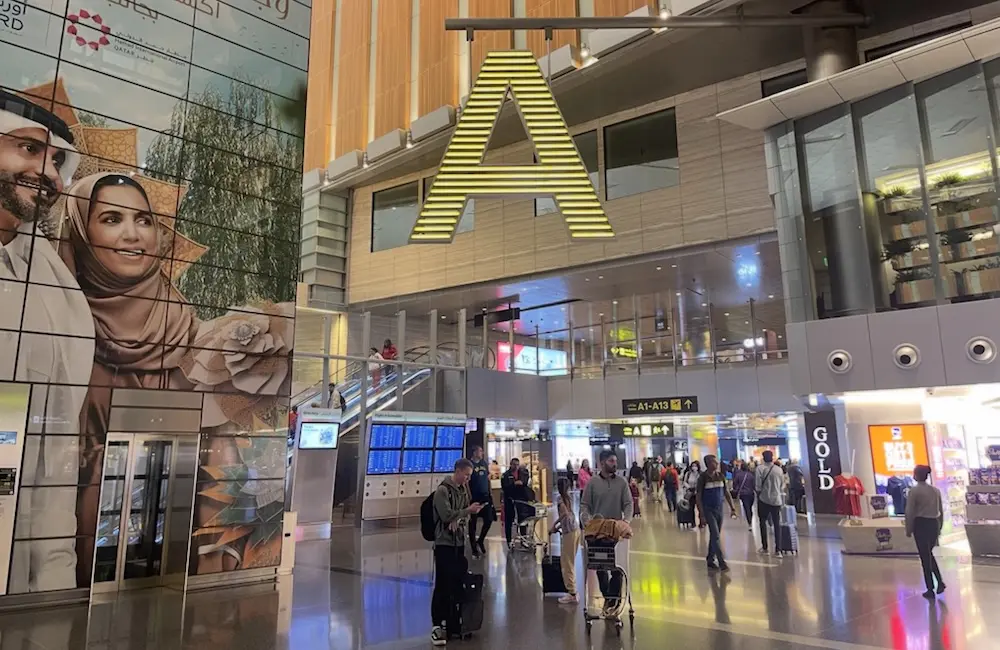
Speaking to Karryon before today’s update, Abercrombie and Kent Travel Group (AKTG) managing director for Asia-Pacific and UK Debra Fox said her recent experience travelling through Qatar was seamless. She added that her Qatar Airways flight was “chock-a-block full” and that Doha’s Hamad International Airport was “as it’s ever been”.
APT & Travelmarvel CEO David Cox also flew via Doha (from Melbourne to London), saying the journey felt safe, smooth and far busier than expected. Read more about his journey here.
Risks remain
While the downgrade signals improved conditions, DFAT stresses that the situation remains volatile, advising Aussies to still “avoid non-essential travel to these locations”.
For travellers transiting through the region, the department recommends keeping stopovers as short as possible and avoiding unnecessary activities outside the airport.
It also warns that airspace closures, flight cancellations and border restrictions can still occur with little notice.
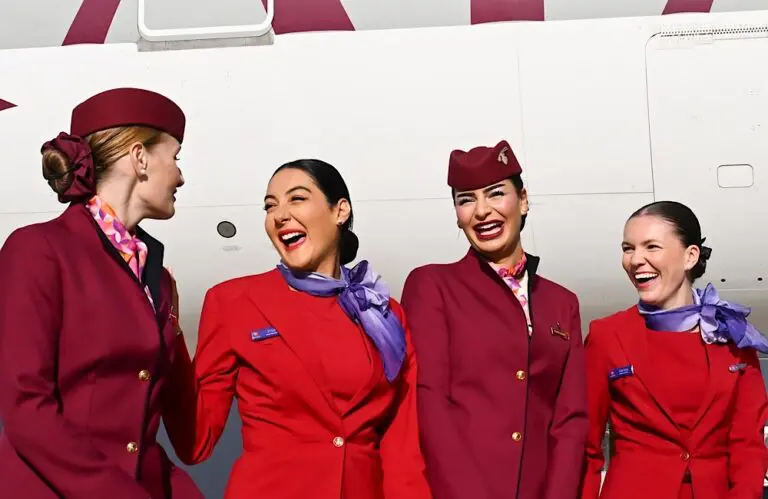
The revised advice comes as airlines continue rebuilding schedules across the Middle East following widespread disruptions. Virgin Australia’s Qatar Airways-operated Melbourne-Doha route is the latest service to resume operations to the region, restarting yesterday.
Meanwhile, DFAT continues to advise against all travel to Lebanon, Iran, Iraq, Palestine, Syria and Yemen, which all remain at the highest alert level.
KARRYON UNPACKS: For the travel trade, this update offers reassurance to clients transiting through major Gulf hubs. But DFAT’s message remains clear: stay informed, monitor airline updates and ensure travel insurance covers potential delays or cancellations.