




With new bookings outpacing cancellations in wholesale and premium demand climbing, Helloworld Travel chief operating officer and executive director Cinzia Burnes tells Karryon confidence in flying through the Middle East will likely return within 90 days of resolution.
It takes 90 days. That’s how long Helloworld Travel’s Cinzia Burnes believes it will take for travellers to regain confidence in flying through the Middle East once the conflict is resolved. Nobody has a crystal ball, she says, but history is a decent guide.
“We have a very fixed number in our business based on all the previous experiences,” Burnes told Karryon.
“It happened after September 11. It happened after the volcanic ash events. It happened after COVID. 90 days is what we say.”
Among the chaos, Burnes sees two silver linings. The first is timing: the crisis has hit outside the peak European travel season, meaning fewer clients were in transit to and from Australia and New Zealand. “If they had to pick a time of the year to do this, this is not our peak for leisure travel,” she stated.
The second is the renewed spotlight on the value of the travel advisor, a theme she returned to throughout our conversation.
Needless to say, the Helloworld network is far from standing still. A recent internal survey of its advisors found that 50 per cent reported no cancellations, with only 3 per cent experiencing full cancellations. The remainder were making changes to their bookings rather than cancelling outright. In its wholesale division, new bookings are still outpacing losses.
Rerouting, not retreating

“When we net out the cancellations versus the new bookings, we’re still ahead,” Burnes said.
The network has seen “a massive surge in new tickets issued on alternative airlines”, with passengers rerouting through Asia, the US, Canada and even South Africa to reach Europe.
“The Australian and New Zealand passengers are very resilient,” Burnes said. “People are just finding a different way to get where they want to go.”
Airlines are adapting too. Burnes points to British Airways redirecting cancelled Dubai services to Melbourne, and to Qantas adding extra A380 services via Singapore. “That’s fantastic,” she said.
Established European bookings for the upcoming summer season have largely held. “People are just waiting, and they’ll still go,” Burnes said.
The US remains the second-largest destination in Helloworld’s wholesale division, with Canada, Vietnam, Bali, Thailand, and the South Pacific also selling well. The network is leaning into its domestic product range too, which Burnes says helped through COVID. “We have a very extensive product range for domestic, from luxury to experiences to Outback.”
“Travel is now part of the household budget,” she said. “People want to travel. It’s about the ability to pivot onto destinations that are different.”
Premium climbing, and the over-55s aren’t flinching
With economy seats scarce on alternative routings, Helloworld is reporting a further increase in premium class bookings.
“Our demographic is not as price sensitive as perhaps some others, and we have actually experienced an increase in our already high percentage of premium classes,” she said.
On price gouging claims, she was direct: “I call that supply and demand. If the demand is really high and you’ve got a few seats, or a hotel only has a few rooms, the cost is going up.”
Helloworld’s core over-55 demographic is also proving resilient economically. Rate rises, Burnes says, are working in her network’s customers’ favour.
“I know this is controversial, but it is actually helpful. They don’t have a mortgage,” she says. “A higher interest rate is actually not a negative for them.”
Another renaissance moment for travel advisors
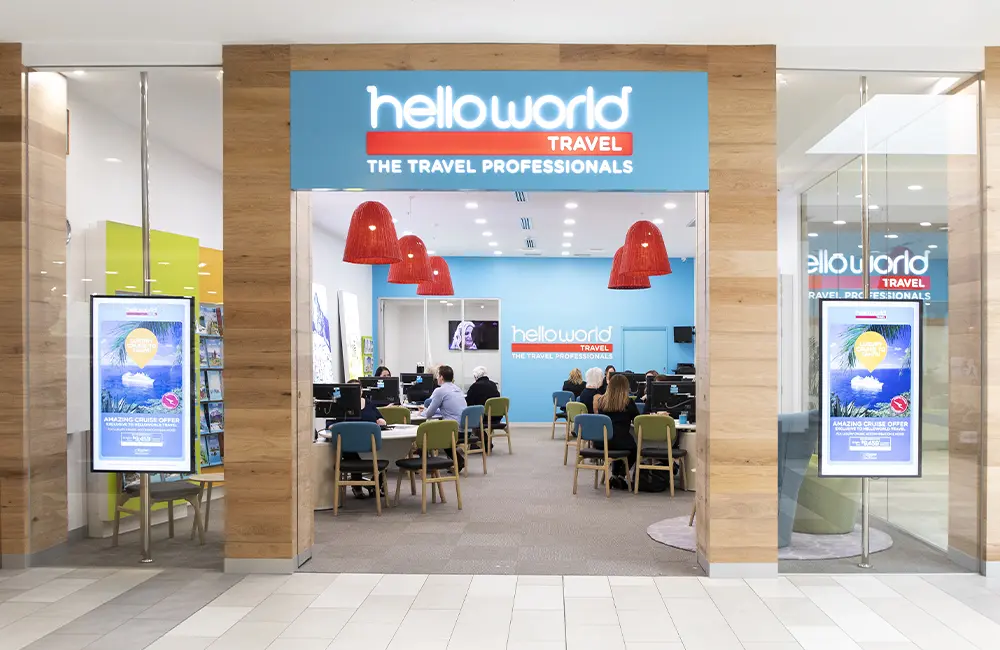
Burnes says the majority of the Helloworld network had staff in the office the Sunday after the conflict began, rebooking clients in real time. Hundreds of people, she says, across a network with a particularly strong presence in regional Australia.
“They called everyone in. They were in the office on Sunday,” she said. “That’s the flexibility of a small business.” One agent had a group of roughly 50 travellers stranded in Venice after a tour. They got them all home.
“I don’t think the value of the travel advisor has been more highlighted than in the current situation,” Burnes said. “When you’re stuck somewhere and try and call the airline, good luck.”
She expects the crisis to drive more people toward advisors, not fewer. And she was pointed about Online Travel Agencies (OTAs): “I can’t imagine they have any customer success stories.”
On AI, Burnes says Helloworld is using it for back-office automation, but draws a firm line at the advisor level. “We look at AI as automation, rather than somebody thinking for you,” she said. “Are our agents using AI to construct itineraries? Absolutely not.”
What happens when the Middle Eastern corridor reopens fully?
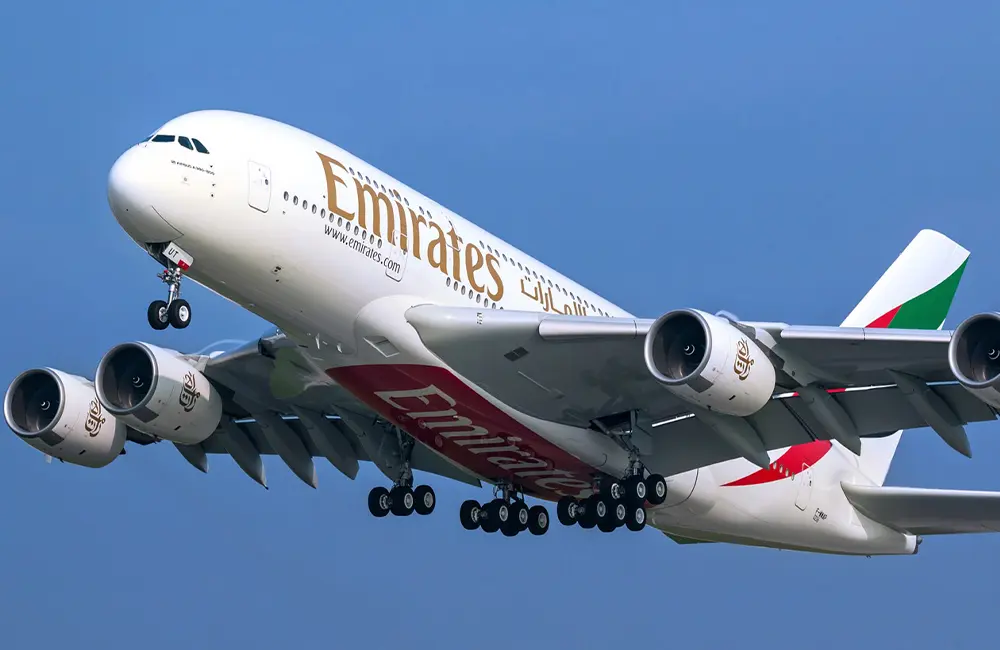
Burnes is realistic about what’s ahead. If the conflict extends into the northern hemisphere summer, the impact will be “more significant”, she says. But she expects Middle Eastern carriers to move fast once DFAT lifts the do-not-travel advisory.
“It will be crazy for the airlines in question not to do special fares,” she said. “They’ve got a lot of metal in this country and they would want to motivate the market to book with them again.”
“This country can’t sustain the demand without those carriers. They fly out of most of the gateways here. They’ve got several flights a day.”
Her message to clients: hold. “Don’t rush into anything. Don’t cancel. If you’re travelling in August, don’t panic now. Even if you’re travelling in June, don’t panic now, because it literally is a day-by-day situation.”
There’s a practical reason too, Burnes notes: airline waivers don’t currently apply to forward bookings for June or July travel, so cancelling now would mean wearing the cost.
Also read: Threat or opportunity? Flight Centre’s Kavanagh says DIY online bookers flooding back to advisors, and Goldman Travel Group’s Anthony Goldman: time for plans over panic.
KARRYON UNPACKS: Helloworld’s 3 per cent cancellation rate and wholesale bookings still tracking ahead suggest well-supported advisor networks are weathering the crisis. Burnes’ 90-day benchmark for Middle East transit confidence is worth noting when counselling clients, and her expectation of promotional fares from Gulf carriers post-resolution signals an opportunity for those who hold bookings now.